

SEO-Optimised Key Takeaways – Neosporin
-
Neosporin is a topical triple antibiotic ointment containing Neomycin Sulfate, Polymyxin B Sulfate, and Bacitracin Zinc, designed to prevent bacterial skin infections in minor cuts, scrapes, burns, and wounds.
-
Multiple formulations are available in Australia: ointment, cream, and a pain relief cream suitable for adults and children—but no lotion forms exist.
-
Effective uses include: minor cuts and scrapes, first-degree burns, insect bites, diaper rash, cracked lips, cold sores, sunburn, minor skin infections, and post-surgical incision care.
-
HeliDerm technology enhances healing by reducing pain and itching, forming a protective barrier, nourishing skin, and aiding scar appearance.
-
Risks of overuse: antibiotic resistance (especially MRSA), allergic reactions (contact dermatitis, rare anaphylaxis), mild side effects (itching, redness, swelling), and potential slower wound healing compared to petroleum jelly.
-
Important usage guidance: clean wounds before application, apply thin layers, avoid oral consumption, and follow medical instructions for severe injuries or infections.
-
Neosporin is unsuitable for non-bacterial infections (fungal or viral) and should not replace proper medical care for serious burns, infections, or systemic conditions.
-
Preventive benefits: reduces the risk of infection in minor wounds, supporting faster recovery when combined with sterile bandages and standard first aid.
-
First aid context relevance: while Neosporin aids minor wound care, CPR and first aid training remains essential for effectively managing injuries and emergencies.
-
Actionable recommendation: integrate Neosporin usage with professional first aid practices; CPR First Aid offers courses, including free online options, to enhance injury management knowledge.
If you’ve ever had a minor scrape, cut, or burn, you’re likely familiar with Neosporin first aid antibiotic ointment. This multipurpose medication is purchasable in Australia and can help speed healing and prevent infection. It is available as an ointment and cream but not as a lotion. A pain relief cream version is also available for children and adults alike.
Here, we’ll discuss everything you need to know about Neosporin, from what it is to how to use it properly. Read on for helpful tips on how to properly care for your wounds
What is Neosporin?
Neosporin ointment is a combination drug used as a first-aid antibiotic to prevent infections from spreading to minor skin burns, scrapes, and wounds.
Neosporin prevents or treats only bacterial skin infections. It cannot treat other skin infections, such as those caused by fungus or viruses. Taking it orally may be hazardous.
The over-the-counter AUD ointment and its many forms contain many active ingredients, such as Vitamin E, Neomycin Sulfate, Polymyxin B Sulfate, and many others.
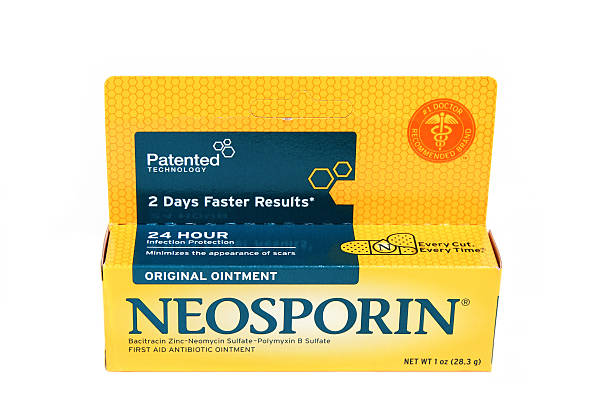
Active Ingredients
Neosporin is an antibiotic that kills skin germs. It is a triple antibiotic comprised of the following:
Neomycin Sulfate
An aminoglycoside antibiotic. It treats skin, lungs, blood, and digestive tract bacterial infections. It is also used to prevent disease in people who have surgery. Neomycin is available as a cream, ointment, solution, and tablet.
Polymyxin B Sulfate
It works by killing the bacteria or preventing them from growing. Polymyxin B treats skin, lungs, urinary tract, and gastrointestinal infections. It is also used to treat:
- Sepsis – is a life-threatening condition when an infection spreads throughout the body.
- Meningitis – inflammation of the brain and spinal cord.
Polymyxin B is a cream, ointment, solution, and tablet. It is usually applied to the skin or taken by mouth three to four times daily.
Bacitracin Zinc
It is used to treat minor cuts, scrapes, and burns. It works by preventing bacteria from growing and multiplying, reducing the risk of infection. This and the previous two ingredients help the topical antibiotic grant 24-hour infection protection.
HeliDerm
Most, if not all, Neosporin variants, including the original ointment and the triple antibiotic ointment, contain HeliDerm technology, which produces many benefits for the skin. This sting-free formula heals skin quickly by creating a barrier. It also helps relieve pain and itching and creates a nourishing environment for the skin. Consistent application also helps lighten the appearance of scars.
Where Can I Use Neosporin?
Neosporin has a wide range of uses in treatment, including:

Minor cuts and scrapes
Neosporin can be applied to minor cuts and scrapes to promote healing and prevent infection. As such, it is a great tool to use for wound care. This is best used in conjunction with a sterile bandage to help cover the area after application of the

Burns
Neosporin can be used to treat first-degree burns or superficial second-degree burns. It is essential to seek medical attention for more severe burns.
Insect bites
Insect bites, such as those from mosquitoes or bees, can be treated with Neosporin.

Minor skin infections
Neosporin can be used to treat minor skin infections like impetigo. However, it is essential to see a doctor for more severe infections.

Preventing infection in wounds
Neosporin can be used as a preventative measure to help lower the risk of infection in wounds. It is essential to clean the wound before applying the ointment.

Surgical incisions
Neosporin can be used on surgical incisions to help prevent infection and promote healing. Following the doctor’s instructions for caring for the incision is essential.

Diaper rash
Diaper rash is treatable with Neosporin. Clean the area and allow it to dry before applying the ointment.

Cracked lips
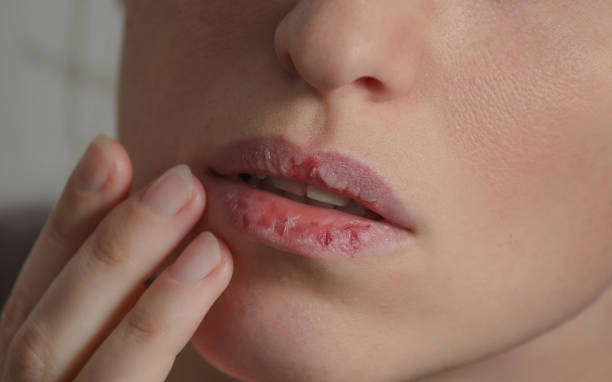
Neosporin can also be used to treat cracked lips. A thin layer of ointment should be applied to the lips.
Cold sores
Cold sores may be treated with Neosporin. Only a thin layer of the ointment should be applied to the affected area.

Sunburn
Neosporin can also be used to treat sunburn. Apply a thin layer of the ointment to the affected area.

Understanding the Risks of Neosporin
Neosporin is a popular ointment to prevent infection in minor cuts and wounds. While it can be helpful, there are risks associated with its use, especially when it is used too often or unnecessarily.
Potential Risks of Neosporin
1. Antibiotic Resistance
Overusing antibiotics, whether oral or topical, contributes to antibiotic resistance—a growing public health issue. Studies have found that Neosporin can promote resistance to Staphylococcus aureus (the bacteria responsible for staph infections), especially in people with eczema. Some experts suggest avoiding Neosporin for common skin issues like acne and impetigo due to methicillin-resistant Staphylococcus aureus (MRSA) concerns.
2. Allergic Reactions
Neosporin contains three active ingredients that may trigger an allergic skin reaction known as contact dermatitis. This reaction can cause redness, itching, dryness, blisters, and peeling. In rare cases, one of its ingredients, bacitracin, has been linked to severe allergic reactions, including anaphylaxis, a life-threatening condition. People with a history of severe allergies may want to avoid Neosporin.
3. Possible Side Effects
Some people may experience mild side effects such as:
- Itching
- Skin rash
- Redness
- Swelling
If you notice these symptoms, stop using Neosporin and consult a healthcare provider.
4. Slower Wound Healing
Research suggests Neosporin may slow the healing process compared to plain petroleum jelly (like Vaseline). A 2021 study from Johns Hopkins University found that petroleum jelly helped the skin regenerate by stimulating an inflammatory response, while topical antibiotics like Neosporin appeared to suppress this effect.
Disclaimers and Warnings
Like any supplements, medications, and other things the healthcare industry recommends, Neosporin has disclaimers and warnings. While rare, an allergic reaction is severe and should be met with immediate medical attention. At the same time, getting this ointment in the eyes may be dangerous. Read the labels carefully and follow all your doctor or healthcare provider’s instructions.

Neosporin is great for wounds and burns, prevents infections, and more. However, this shouldn’t be the only thing done about these injuries and conditions. First aid and CPR training is an excellent foundation for treating many injuries and responding to critical situations. CPR First Aid offers various first aid courses, with even a free online course available for those interested in acquiring knowledge. Book a first aid course now.