
Spider bites are a reality of Australian life, with a number of different species being able to deliver painful and in some cases dangerous bites. One of these, the Tasmanian Cave Spider, inhabits certain parts of Tasmania. Although not rated as highly venomous, taking first aid quickly will be able to cut the dangers posed by spider bites to a minimum.
This article delves into the first aid treatment of Tasmanian Cave Spider bites, including immediate reactions, symptoms to look out for, and when it’s absolutely necessary to head to the hospital.
First Aid Steps for a Tasmanian Cave Spider Bite
Upon being bitten by a spider, your immediate reaction can literally make or break the impact of the reaction. These are the first steps to follow if bitten by a Tasmanian Cave Spider:
Remain Calm and Observe the Bite Site
The initial step is to keep calm. Most spiders, such as the Tasmanian Cave Spider, are not so dangerous, but you should be observant about any variation in signs and symptoms.
Clean the Bite Site
Wash the bite site softly with soap and water to help prevent infection. Be careful not to rub the bite, but use a clean cloth and pat the site softly.
Use a Cold Compress
Cold compresses are usually prescribed for alleviating pain and inflammation with spider bites. Place an ice pack in a cloth, not on the skin, to prevent frostbite or cold burns. Hold it on the area for 15-20 minutes at a time.
Watch for Symptoms
Watch the bite for signs of change during the next few hours in the form of swelling, redness, or increasing pain over time. If you see that you are developing more severe symptoms, have a doctor immediately.
Why Use a Cold Compress and When
Cold compress assists in controlling swelling and offering quick relief from pain due to the bite. Cold therapy can also avoid over-swelling, making the bitten area vulnerable to infection.
But make sure that the ice pack is covered with a cloth to prevent direct contact with the skin. Ice contact can cause cold burns. In the absence of a cold compress, an ice pack covered in a cloth or a damp cold towel will also help relieve it effectively.

When to Use Pressure Immobilisation for Spider Bites
For more lethal spider bites (like those from the funnel-web), pressure immobilisation is usually advised. This involves a tight pressure bandage to retard venom spread in the body. Although the Tasmanian Cave Spider isn’t usually known for toxic reactions that call for this method, it’s helpful to be aware of when it could be useful:
Apply a Pressure Bandage
If swelling or venom spreading signs appear from a spider bite, slow the venom movement by using a pressure bandage. Begin at the location of the bite and wrap the bandage up towards the body.
Immobilize the Affected Limb
When the bite occurs in an arm or leg, immobilize the limb and raise it to decrease the likelihood of venom flowing through the bloodstream.
Seek Medical Help
If the individual bitten begins to feel dazed, queasy, or has difficulty breathing, call emergency services at once.
Signs to Be Aware of After a Bite from a Tasmanian Cave Spider
While the majority of spider bites, such as those from the Tasmanian Cave Spider, are harmless, it’s still wise to be aware of any signs of allergic reaction or poisonous effect. The following are some of the most frequent indications of trouble after a spider bite:
- Pain and Swelling: Pain and swelling that is mild to moderate around the bitten area.
- Redness or Rash: Localised redness or rash that radiates out from the site of the bite.
- Dizziness or Nausea: Dizzying symptoms such as dizziness, nausea, or vomiting.
- Breathing Difficulties: Difficulty breathing or shortness of breath.
- Severe Pain: Severe, stabbing pain close to the bite.
When to Seek Medical Attention or Administer Epinephrine
While Tasmanian Cave Spider bites are unlikely to need emergency treatment, full-blown reactions such as anaphylaxis can happen in predisposed individuals. Anaphylactic reactions can be fatal and need immediate first aid and medical treatment.
- Use Epinephrine if you have it: If you happen to have an epinephrine (adrenaline) auto-injector with you, use it at once. It is essential in the treatment of anaphylaxis.
- Call an Ambulance: Call 000 in case the victim is experiencing anaphylactic shock, like shortness of breath, swelling of the face or throat, or loss of consciousness.
- Monitor and Give a Second Dose of epinephrine: If the symptoms do not get better within five minutes, give another dose of adrenaline, if it is available, and keep monitoring the person until the paramedics arrive.

Tasmanian Cave Spider: Facts and Features
What does the Tasmanian Cave Spider Look Like?
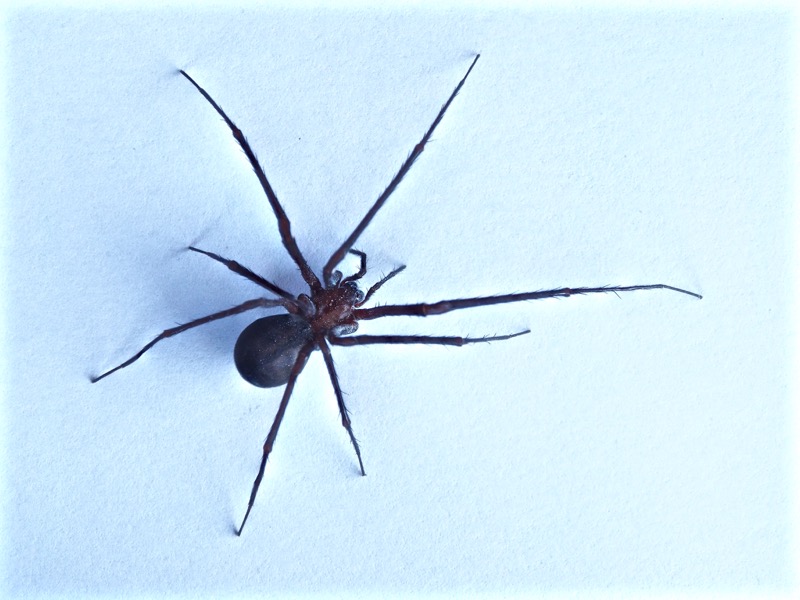
The Tasmanian Cave Spider, according to the Australian Museum, is quite a large spider. It is reddish-brown in color for its carapace and greyish for its abdomen, with males being smaller compared to females. The spiders have very big webs that measure up to a meter long.
What Does the Tasmanian Cave Spider Feed On?
Tasmanian Cave Spiders are predatory and consume different types of insects. Their feeding sources are crickets, beetles, millipedes, and flies, which are all caught in their complex webs. The spider waits for the prey to accidentally fall into its silk sheet and then paralyzes it so that it can consume it.
Where Do Tasmanian Cave Spiders Live?
Tasmanian Cave Spiders thrive in Tasmania’s underground drainage systems, caves, hollow logs, and the undersides of bridges. These areas provide a dark, cool environment perfect for their webs. Their natural habitat helps explain why they are sometimes found in Tasmania’s caves.
What is the Conservation Status of the Tasmanian Cave Spider?
The Australian Museum emphasizes the conservation role of the Tasmanian Cave Spider. Not only are these spiders among Tasmania’s fauna, but they also regulate cave systems through the control of insects. Therefore, the species qualifies as a symbol for conservation.
Life History of the Tasmanian Cave Spider
The mating season of the Tasmanian Cave Spider ranges from late winter to spring. Female spiders protect their eggs, which are usually concealed in damp, decaying wood. Spiderlings hatch after 8-10 months and disperse. Tasmanian Cave Spiders have a very unusual spider lifespan of several decades.
Learn First Aid: Enrol in CPR First aid Courses
Being aware of how to react in an emergency can be life-saving. CPR First Aid provides several first aid courses, including specialized training for anaphylaxis, spider bite, and CPR. For peace of mind that you’ll be ready for any emergency, sign up for a course today!
Contact our Melbourne training centre for details on course dates and locations. Online courses are also available for greater convenience.
Conclusion
The treatment for a Tasmanian Cave Spider bite usually consists of the application of a cold compress and observation of the bite for abnormal reactions. While most bites do not create serious responses, there is the possibility of anaphylaxis in some people, which necessitates urgent treatment such as the administration of adrenaline. Medical care should be sought should symptoms increase or an allergy develop.
By being prepared and having an idea of how to react to spider bites, you can greatly minimize the dangers involved in such encounters. First aid courses, such as anaphylaxis, CPR, and general first aid courses, are an essential resource for dealing with emergencies.
CPR First Aid provides thorough first aid courses, such as training tailored to the needs of those who reside in regions where spiders, like the Tasmanian Cave Spider, are more common. Sign up today to be prepared to take on any first aid scenario that comes your way.