

Key Takeaways on Discretionary Foods
-
Discretionary foods are non-essential items high in added sugar, salt, saturated fat, alcohol, or kilojoules, as defined by the Australian Dietary Guidelines.
-
Common examples include cakes, biscuits, processed meats, fried foods, sugary drinks, and alcohol, which provide energy but few essential nutrients.
-
Regular overconsumption can increase the risk of obesity, type 2 diabetes, heart disease, stroke, and some cancers.
-
The guidelines recommend discretionary foods be eaten only occasionally and in small amounts (about 600 kJ per serve).
-
Healthier alternatives include water, whole fruits, lean meats, reduced-fat dairy, and wholegrain snacks.
-
Limiting portion sizes, planning meals, and reading nutrition labels are practical ways to reduce intake.
-
Discretionary foods may displace nutrient-rich options, leading to dietary deficiencies and poor energy balance.
-
Choosing healthy lifestyle habits—regular exercise, quality sleep, stress management, and quitting smoking—further reduces health risks.
-
While not direct causes of emergencies, poor diets can contribute to conditions like cardiac arrest or stroke, where first aid and CPR training can save lives.
-
For long-term wellbeing, follow the Eat for Health programme and consider CPR First Aid courses to be prepared for health-related emergencies.
Foods that are not essential to a balanced diet are known as discretionary foods. These foods and beverages are categorised by the Australian government as having high levels of kilojoules, added sugar, saturated fat, salt, and/or alcohol under the Eat for Health programme and the Australian Dietary Guidelines. They may be enjoyable once in a while, but eating them regularly or in excess might be bad for your health.
The concept of discretionary foods, examples from key food groups, their effects on health, helpful advice for reducing intake, and how they integrate into larger lifestyle choices are all covered in this article.
Definition of Discretionary Foods
The Australian Dietary Guidelines list the following foods as discretionary::
“Foods and drinks are not necessary to provide the nutrients the body needs. They are high in kilojoules and may displace more nutritious foods.”
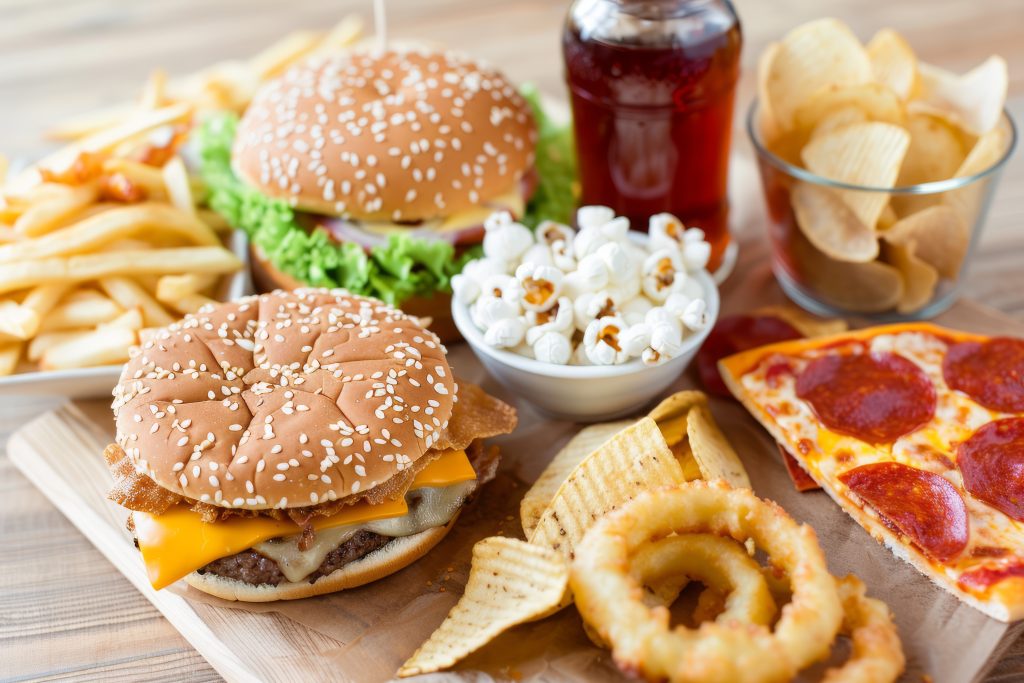
Cakes, sweet biscuits, processed meats, sugary drinks, alcoholic beverages, fried dishes, and more are among them. Usually, people eat these foods for enjoyment rather than for their nutritious value.
Overindulgence can result in dietary shortages, poor energy balance, and an increased risk of disease, even though occasional indulgence is normal. Balance, not complete eradication, is the goal.
Food Categories and Examples
To help you identify discretionary foods, here is a breakdown by category:
High in Added Sugars
- Energy drinks
- Sweetened soft drinks and cordials
- Fruit drinks (not 100% juice)
- Sugar and syrups
- Honey and jams
- Sweetened waters
- Confectionery
Healthier alternative: Water, milk, and whole fruits.

High in Saturated Fat
- Bacon, ham, and salami
- Meat pies and sausage rolls
- Butter, cream, ghee
- Pastries, croissants, and quiches
- Crisps and potato chips
- Spring rolls and fried foods
- High-fat pizzas and nachos
Healthier alternative: Lean meats, reduced-fat dairy, and grilled foods.
High in Fat and Sugar
- Cakes, muffins, and slices
- Sweet pies and crumbles
- Ice cream, custards, and puddings
- Chocolate and sugar-based confectionery
- Doughnuts and ice buns
- Sweet sauces and dressings
- Muesli bars (depending on sugar content)
Healthier alternative: Fresh fruit, wholegrain snacks, or yoghurt.
High in Alcohol
- Beer (light and regular)
- Wine and champagne
- Spirits (vodka, gin, whiskey)
- Mixed alcoholic beverages
Healthier alternative: Sparkling water, herbal teas, or alcohol-free drinks.
Why Limit Discretionary Foods?
Eating too many discretionary foods may:
- Displace essential nutrients from healthy foods
- Contribute to overweight and obesity
- Increase the risk of type 2 diabetes, heart disease, stroke, and some cancers
- Make weight management more difficult due to their high energy content
According to research, consuming a lot of sugar-sweetened beverages by itself may increase the risk of type 2 diabetes by 26% (Malik et al., 2010). A higher risk of cardiovascular disease has also been associated with frequent consumption of processed meats.
These foods frequently provide kilojoules without necessary vitamins and minerals, making them high in energy but low in nutrients.
Recommended Servings: How Much Is Too Much?
The Australian Dietary Guidelines recommend that discretionary foods should be:
“Consumed only occasionally and in small amounts.”
Here are examples of one serve (~600 kJ):
- 2 scoops (75 g) regular ice cream
- 2–3 sweet biscuits
- 1 small doughnut (40 g)
- 1 slice (40 g) plain cake
- 1/2 small chocolate bar (25 g)
- 1 tablespoon (20 g) butter
- 30 g salty crackers
- 200 mL wine or 60 mL spirits
- 375 mL can of soft drink
- 1.5 standard sausages
Having these occasionally—rather than daily—helps maintain a balanced intake.
Practical Tips to Cut Down
You can reduce your discretionary food intake by:
- Planning meals and snacks in advance
- Eating mindfully—recognising hunger cues and eating slowly
- Limiting portion sizes with smaller plates or bowls
- Choosing water over sugary drinks or alcohol
- Cooking at home more often using fresh ingredients
- Swapping treats for healthy snacks like fruit or wholegrain crackers
- Reading food labels to identify added sugars, fats, and sodium
Additional tips are available at Eat for Health.

What Is the First Aid for Diet-Related Emergencies?
Emergency first aid circumstances are not directly caused by discretionary food consumption, although chronic malnutrition can raise the risk of life-threatening illnesses like stroke or cardiac arrest. If someone has an unexpected medical crisis, being able to perform CPR and administer first aid will help you react appropriately.
Through nationally recognised courses like those provided by CPR First Aid, you can acquire life-saving skills.
Complementary Healthy Lifestyle Choices
In addition to limiting discretionary foods, consider adopting the following habits:
- Drinking 6–8 glasses of water daily
- Getting 150–300 minutes of moderate physical activity per week
- Quitting smoking and reducing exposure to second-hand smoke
- Limiting recreational screen time to under 2 hours per day
- Managing stress through mindfulness, yoga, or journaling
- Building social support networks and participating in community activities
- Getting 7–9 hours of quality sleep each night
- Attending regular health check-ups and screenings
These behaviours help you control the hazards associated with nutrition and enhance your physical and emotional health.
Internal Resources You May Find Useful
- What Is Healthy Eating?
- What Are the Five Food Groups?
- CPR Courses Across Australia
Frequently Asked Questions (FAQ)
What are discretionary foods in Australia?
Foods and drinks high in added sugar, fat, salt, or alcohol that are not essential for health.
Are discretionary foods bad for you?
If consumed regularly or in large quantities, yes—they may contribute to chronic disease and weight gain.
Can I still eat discretionary foods?
Yes, in small amounts and occasionally. Balance and moderation are key.
How do I reduce discretionary food intake?
By planning meals, eating mindfully, choosing healthier options, and following nutrition advice.
Where can I learn more about healthy eating?
Visit the Eat for Health website and consult with a dietitian.
Conclusion
Despite their enjoyment, discretionary foods are low in nutrients and, if consumed frequently, may raise your risk of developing chronic illnesses. For optimum nutrition, the Australian Dietary Guidelines advise minimising their consumption and concentrating on the five food groups.
You can safeguard your health and wellbeing by adopting a healthy lifestyle, controlling portion sizes, and making thoughtful decisions. To strengthen your abilities to assist others and be ready for any nutrition-related crises, think about taking a first aid course.