
An Bites (Australia): Identification, Symptoms & First Aid
When the weather warms up, “an bites” — often meaning ant or insect bites — become a common Australian nuisance. Whether you’re gardening, camping, or enjoying the beach, knowing how to identify and treat bites quickly can prevent infection and serious allergic reactions.
This guide explains how to recognise different bites, apply the right first aid, and know when to call 000 for emergencies. Let’s get into it.
What “An Bites” Means in Australia
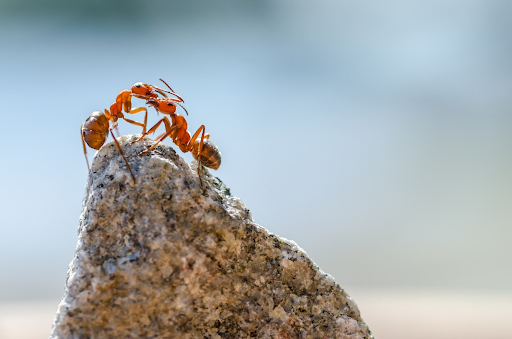
The term “an bites” typically refers to ant bites but can also describe insect bites from mosquitoes, fleas, or midges. These occur year-round in Australia but peak during summer and after rainfall when insects are most active.
A quick reminder:
- Bite – occurs when an insect breaks the skin to feed (e.g. ants, mosquitoes, fleas).
- Sting – happens when an insect injects venom defensively (e.g. bees, wasps).
Although most bites are mild, fire ants, bull ants, and jack jumper ants can cause severe pain and, in some cases, allergic reactions requiring urgent care.
How to Identify an Ant/Insect Bite
Recognising the bite type helps determine the best treatment. Most bites cause redness, swelling, and itching, but the pain level and appearance can vary widely.
Fast ID Table
| Culprit | Look | Feel / Pain (0–10) | Usual Timeline | Self-Care | Don’ts |
| Fire Ant | Red welt, central white blister | 6–8 | 3–7 days | Cold pack, avoid popping blister | Don’t scratch or burst blisters |
| Bull Ant | Raised red bump, intense sting | 7–9 | 1–3 days | Ice, antihistamine, elevate | Don’t squeeze site |
| Mosquito | Small red itchy bump | 2–4 | 1–2 days | Cold pack, calamine lotion | Don’t over-scratch |
| Flea | Cluster of itchy dots on ankles/legs | 3–5 | 2–3 days | Wash area, use antiseptic cream | Don’t ignore bedding/pet checks |
| Midge / Sandfly | Tiny welt, burning itch | 4–6 | 1–5 days | Oatmeal bath, mild steroid cream | Don’t apply alcohol |
| Bedbug | Linear bite pattern, itchy | 3–4 | 3–5 days | Clean sheets, antihistamine | Don’t sleep in same bedding |
Visual identification helps confirm the cause. Fire ant bites often form white-tipped pustules, while mosquito bites are round and soft. Bedbug bites appear in neat rows. These types of bites are often noticed after waking from sleep.
First Aid for “An Bites”
Like with any injury or emergency, quick and calm action is key. Prompt actions reduce swelling, itching, and the risk of infection. Always read and follow label directions when using medications or creams.
Step-by-Step (General)
- Wash the affected area gently with soap and water.
- Apply a cold pack or wrapped ice for 10–20 minutes.
- Use antihistamines (as directed by a medical professional) to relieve itching.
- Apply calamine lotion or 1% hydrocortisone cream if needed.
- Elevate the affected area to reduce swelling.
- Avoid scratching as it can increase the risk of infection.
If discomfort persists after two days, consult a pharmacist or GP.

When It’s an Ant Bite (Fire Ant Emphasis)
Fire ant stings are among the most painful insect encounters in Australia. The bite often starts as a sharp burning sensation, followed by the appearance of red, raised welts that can turn into white, fluid-filled blisters within hours. These pustules are sterile, meaning they contain no bacteria, but popping them can introduce infection, so they should be left to heal naturally.
Gently wash the affected area with soap and cool water, then apply a cold compress for 10–20 minutes several times a day to ease pain and swelling. If blisters break on their own, cover them with a clean, non-stick dressing to prevent contamination. Applying a topical antiseptic or mild corticosteroid cream (as advised by a pharmacist) can reduce itching and redness.
Children & Sensitive Skin Considerations
Children, toddlers, and people with sensitive or eczema-prone skin are more likely to react strongly to insect bites. Their immune systems often trigger more intense itching, redness, or swelling, especially after ant or mosquito bites. To minimise discomfort, cleanse the area gently with lukewarm water and mild soap, then apply fragrance-free moisturiser or soothing lotion such as calamine or aloe vera.
Keep children’s nails trimmed short and encourage them not to scratch, as broken skin increases infection risk. Light cotton gloves or mittens for toddlers can help overnight. Avoid using strong medicated creams or antihistamines on infants unless recommended by a doctor or pharmacist.
Red Flags: When to Seek Medical Help or Call 000
Most bites heal quickly, but some require urgent attention. Watch for the following warning signs.
Anaphylaxis – Call 000 Immediately
- Difficulty breathing or swallowing
- Swelling of tongue, lips, or face
- Wheezing, dizziness, or collapse
Use an EpiPen or adrenaline autoinjector if prescribed, and lay the person flat while waiting for expert.
Infection – See a GP or Urgent Care
- Increasing redness or swelling
- Pus, warmth, or red streaks from the bite
- Fever or fatigue
Other Serious Situations
- Multiple bites causing severe reaction
- Bites near eyes, mouth, or genitals
- Intense pain not relieved by simple measures
Early medical attention can prevent serious complications.
Relief & Recovery
After first aid, focus on comfort and proper skin healing. Most mild bites fade within a few days, but irritation can linger.
Itch & Pain Control
Continue using cold packs several times daily. Over-the-counter pain relievers like paracetamol or ibuprofen may help, following dosage instructions.
Natural Options
Oatmeal baths, aloe vera gel, and fragrance-free moisturisers soothe skin without irritation. Avoid harsh chemicals or perfumed lotions.
Prevent Scarring or Dark Spots
Let blisters heal naturally. Apply gentle sunscreen once healed to prevent post-inflammatory pigmentation, especially after fire ant or bull ant bites.
Prevention in Australia
Staying bite-free is easier than treating the aftermath. Whether at home, work, or on holiday, prevention is key.
Clothing and Repellents
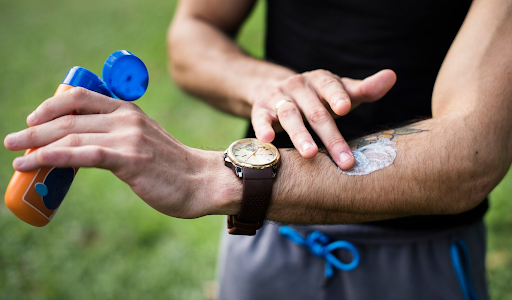
Wear light, long-sleeved clothing, especially in bushland or near water. Apply insect repellent containing DEET or picaridin according to the label. Reapply after swimming or sweating.
Garden, Camp, and Picnic Safety
Shake out shoes, towels, and picnic blankets before use. Keep food sealed outdoors and avoid sitting near ant nests. Campers should zip tents securely and use mosquito nets.
Pets and Home Hygiene
Regularly treat pets for fleas and clean bedding to reduce bite sources. Seal entry points in walls and floors where ants may enter. Maintaining good hygiene helps prevent reinfestation.
FAQs
Do ant bites need antibiotics?
Not usually. Most heal on their own. However, if redness spreads or pus appears, a GP may prescribe antibiotics for infection.
How long do an/ant bites last?
Mild bites last 1–3 days, while fire ant blisters can linger up to a week. Avoid popping them to prevent infection.
Ant bites vs mosquito bites — how to tell?
Ant bites usually have a central blister or puncture and burn more, whereas mosquito bites are softer and itchier without blistering.
Is a white-tipped blister from fire ants normal?
Yes, it’s a typical response to venom. Do not pop it; apply antiseptic and keep it clean.
What if I’m bitten repeatedly at night?
This may suggest bedbugs or fleas. Wash bedding, vacuum thoroughly, and contact a pest control professional.
When in Doubt — Act Fast
Even minor bites can worsen if scratched or untreated. Knowing what to do immediately — clean, cool, and calm the area — can prevent complications. Always keep a first aid kit handy and refresh your first aid training or CPR training to stay prepared. If symptoms worsen or allergic signs appear, call 000 without delay.