

Myocardial infarction, also known as a heart attack, is a severe medical emergency that needs to be treated right away. By facilitating prompt action, such as contacting emergency services and administering first aid, an understanding of the warning signs and symptoms can save lives. Typical and atypical heart attack symptoms are covered in detail in this article, along with important first aid measures to take while you wait for medical help.
Heart Attack: What Is It?
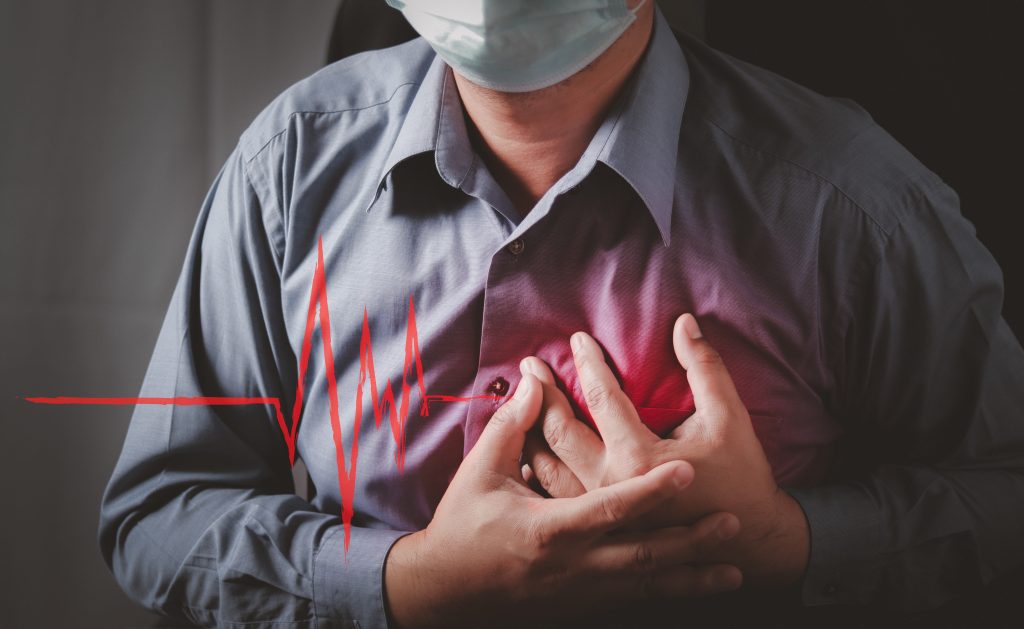
A myocardial infarction, the medical term for a heart attack, happens when one of the coronary arteries becomes blocked, stopping blood flow to the heart muscle. Damage to the heart tissue may result from this blockage, which could be brought on by a blood clot or plaque accumulation. One of the main causes of hospitalisation and death globally is a heart attack.
The Heart Research Institute states that heart attacks cause a considerable amount of morbidity and death, but that the damage can be significantly lessened with prompt intervention.
Statistics on Heart Attacks
With more than 42,000 deaths per year, heart disease is one of the main causes of death in Australia. By enabling prompt treatment, early identification of heart attack symptoms can dramatically lower the number of fatalities.
Typical Signs of a Heart Attack
Although each person’s heart attack symptoms are unique, there are a few typical indicators to look out for:
Pressure or Pain in the Chest
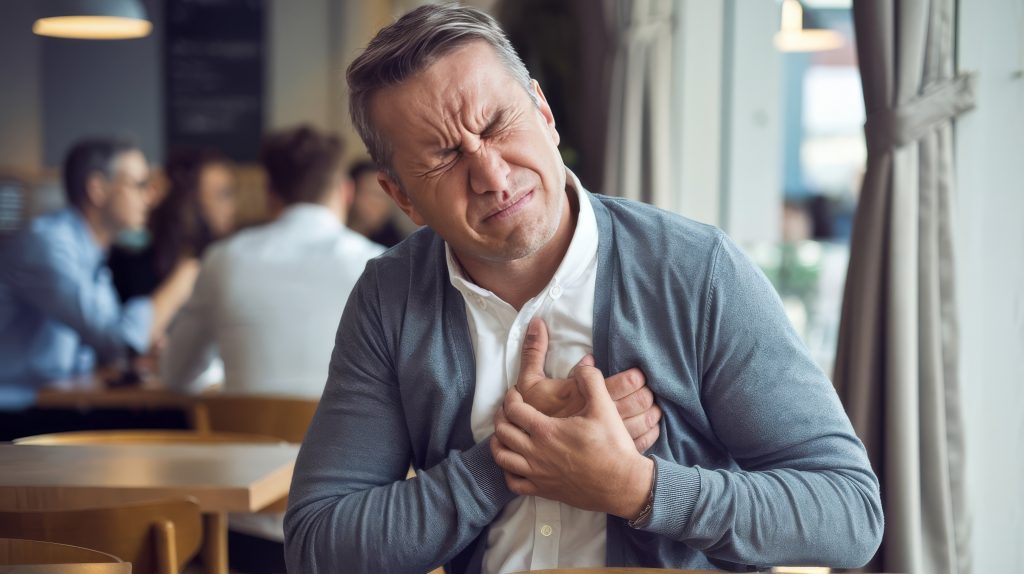
The sensation of pressure or pain in the chest, frequently compared to a heavy weight on the chest, is the most well-known sign of a heart attack. This feeling could last for a few minutes and be abrupt or intermittent.
Pain radiating from the arm, jaw, and back
Pain from a heart attack frequently spreads to other parts of the body, including the jaw, neck, back, stomach, and left arm. This is a telltale sign of a heart attack, but it can be confused with pain from other illnesses.
Breathlessness
Shortness of breath or difficulty breathing frequently follows a heart attack, particularly if physical activity exacerbates the sensation. This is a serious indicator that requires quick care.
Dizziness, nausea, and cold sweats
During a heart attack, many people get dizziness, nausea, and cold sweats. These symptoms, which can accompany chest pain, are a sign of the body’s reaction to the heart not getting enough oxygen.
Signs of an Atypical Heart Attack in Women and Seniors
Although chest pain is frequently one of the classic signs of a heart attack, women and older adults may have different symptoms, so it’s critical to identify any unusual ones.
Women’s Heart Attack Symptoms
Compared to men, women are more likely to have atypical heart attack symptoms. These could consist of:
- Back, shoulder, or jaw pain
- Weariness or exhaustion
- Breathing difficulties
- Nausea or indigestion
Early detection may be more difficult because these symptoms can manifest even when you’re sleeping or at rest.
Signs of a Heart Attack in Seniors
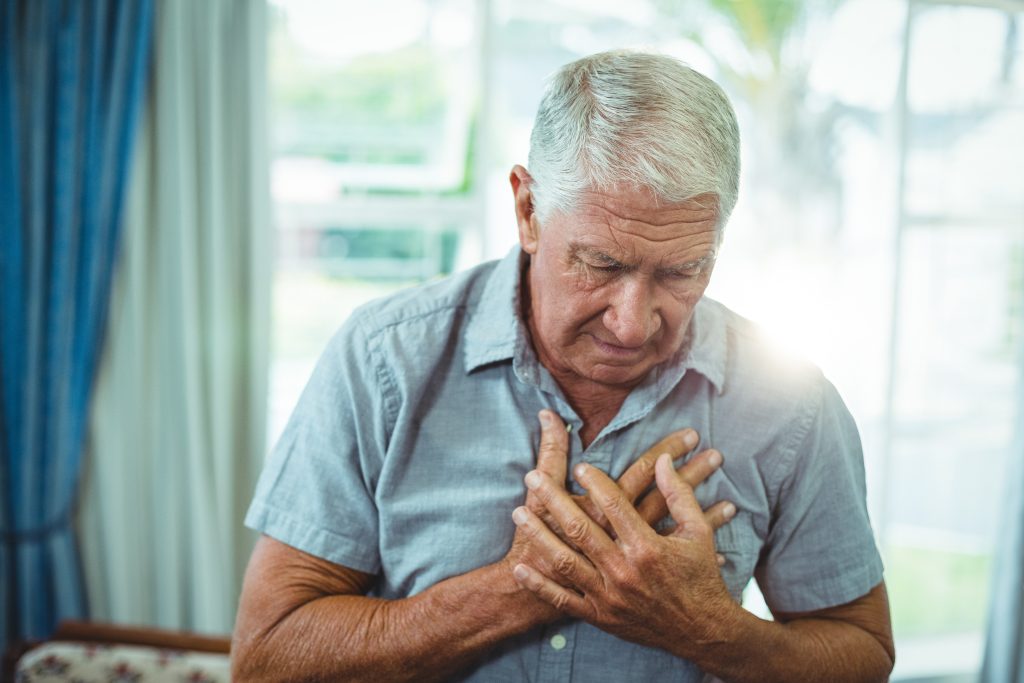
The classic symptoms of a heart attack, like chest pain, may not always be present in older adults, especially those over 65. Elderly people are more likely to exhibit:
- Weariness
- Breathlessness
- Lightheadedness or fainting
Senior heart attacks are frequently misdiagnosed or disregarded because they may not exhibit the usual pattern, which can postpone necessary treatment.
Early Warning Indications You Must Not Ignore
It can mean the difference between life and death to recognise the early warning signs of a heart attack. These consist of:
- Continuous pressure or pain in the chest
- Inexplicable dyspnea
- Constant nausea or lightheadedness
- Back, stomach, or jaw pain
It is critical to take immediate action and seek emergency medical assistance if any of these symptoms are present.
How to Respond to a Heart Attack: First Aid Procedures
It’s crucial to know what to do if someone exhibits symptoms of a heart attack. Here is a detailed guide on what to do in terms of first aid:
Make an emergency service call.
Call 000 for an ambulance right away if you are experiencing heart attack symptoms. Emergency medical personnel can start life-saving treatments as soon as they arrive because time is of the essence when treating a heart attack.
Give aspirin if it’s appropriate.
Give the patient a 300 mg aspirin to help stop additional blood clotting if they can swallow and are not allergic to aspirin. While awaiting emergency assistance, this can lessen the intensity of the heart attack.
Basics of CPR
The individual may lose consciousness in certain situations. Start CPR right away if they stop breathing. Until medical assistance arrives, CPR can help keep blood flowing to vital organs. Accredited courses are available from CPR First Aid to teach people the proper CPR techniques.
Heart Attack Prevention: Awareness & Lifestyle
Lifestyle decisions are the first step in preventing heart attacks. Taking up a healthy lifestyle that includes:
- Frequent exercise
- Keeping a diet that is balanced
- Controlling blood pressure and cholesterol
- Refusing to smoke
- Frequent medical examinations, such as heart health screenings, can assist in detecting possible risks before they result in a heart attack.
Commonly Asked Questions (FAQ)
Is it possible to have a heart attack without experiencing chest pain?
Yes, chest pain is not always present during heart attacks. Women, the elderly, and people with diabetes are more likely to experience this.
When should I perform cardiopulmonary resuscitation?
If the person stops breathing or exhibits no signs of circulation, CPR should be initiated right away.
Is perspiration a sign of a heart attack?
Yes, excessive perspiration can be a sign of a heart attack, especially when paired with other symptoms like shortness of breath or chest pain.
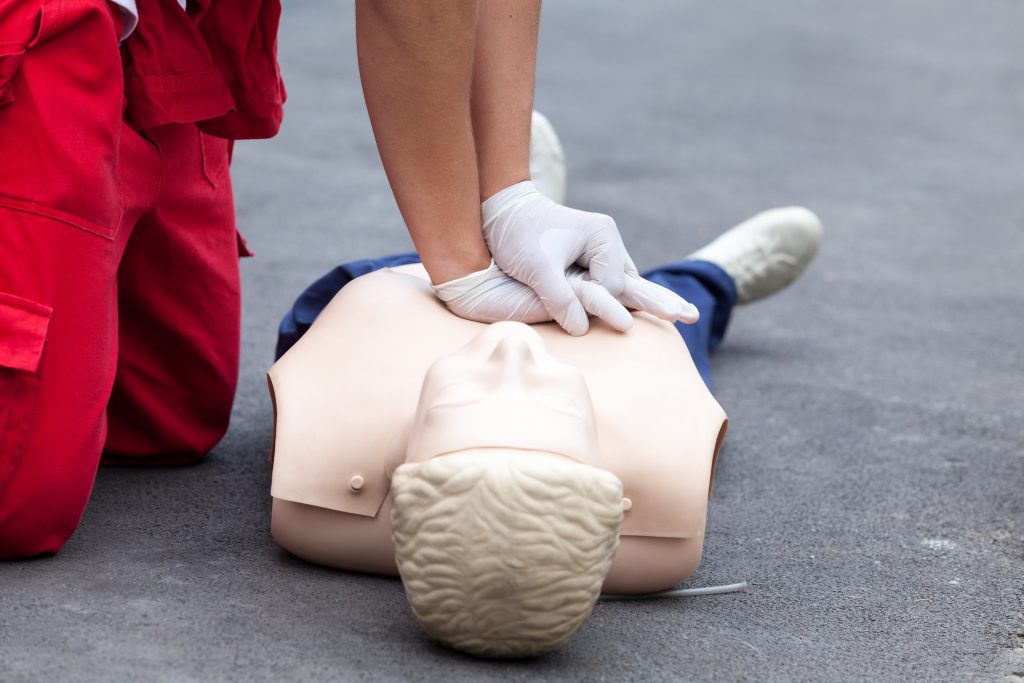
You can save a life by identifying the warning signs and symptoms of a heart attack and taking immediate action. Having first aid knowledge on hand is crucial for responding appropriately, whether you are a family member, coworker, or healthcare professional. Accredited CPR and first aid courses are available from CPR First Aid, which can give you the tools you need to confidently handle situations like heart attacks.