

SEO Key Takeaways – Diabetes (CPR First Aid Focus)
-
High Prevalence in Australia: Around 1 in 20 Australians has diabetes, with many cases undiagnosed, highlighting the importance of awareness and early detection.
-
Types of Diabetes: Includes Type 1 (autoimmune), Type 2 (insulin resistance), Gestational, and LADA, each requiring tailored management strategies.
-
Role of Insulin: Insufficient insulin or insulin resistance leads to high blood sugar, which can cause nerve, kidney, heart, and eye damage.
-
Recognising Symptoms: Common signs include frequent urination, excessive thirst, fatigue, blurred vision, slow-healing wounds, and numbness in extremities.
-
Diabetic Emergencies: Hypoglycaemia (low blood sugar) and hyperglycaemia (high blood sugar) require immediate first aid intervention; knowing how to respond can prevent severe complications.
-
Complications: Long-term unmanaged diabetes can lead to cardiovascular disease, kidney damage, neuropathy, retinopathy, foot ulcers, amputations, and oral health issues.
-
Mental Health Impact: Diabetes management can contribute to anxiety, depression, and burnout, necessitating holistic care including mental health support.
-
Risk Factors & Prevention: Obesity, sedentary lifestyle, family history, high blood pressure, and poor diet increase Type 2 diabetes risk; preventive strategies include healthy eating, regular exercise, and stress management.
-
Monitoring & Education: Regular blood sugar monitoring (finger-prick, CGMs, HbA1c tests) and diabetes education are essential for effective management and complication prevention.
-
First Aid Certification Value: CPR First Aid training equips individuals to respond to diabetic emergencies, including hypoglycaemic or hyperglycaemic episodes, improving patient outcomes.
Diabetes, also known as Diabetes Mellitus, is a chronic metabolic disease that affects the body’s ability to use blood sugar for energy. It is a medical condition affecting people of all ages that can lead to serious health problems if it is not managed correctly.
Thus, it is crucial to know the signs and risks of diabetes so that anyone susceptible can stay healthy or get the information needed to help reverse it.
Why Knowing About Diabetes Prevalence is Important?
Based on the 2017-18 self-reported data from the Australian Bureau of Statistics, 2017-18 National Health Survey, an estimated 1 in 20 Australians has diabetes. The prevalence increases with age. We should also consider that many people have undiagnosed diabetes that has not been accounted for.
So why is prevalence data important? First, it helps identify how big a problem diabetes is in Australia, with 1.7 million people affected. Second, it can help highlight which groups are most at risk of developing the condition.
The Role of Insulin in Diabetes
Insulin is a hormone that helps the body use sugar for energy. People with diabetes either do not make enough insulin, or their body’s cells cannot properly use it. Without enough insulin, sugar builds up in the blood instead of being a source of energy.
High blood sugar can damage nerves and blood vessels, which can ultimately progress to
- Heart disease
- Kidney disease
- Blindness

Types of Diabetes
The different types of diabetes all have one problem: the body is incapable of producing enough insulin or cannot use insulin properly, resulting in high blood glucose levels or sugar.
Insulin-dependent diabetes mellitus (IDDM)
Also known as Type 1 diabetes, IDDM is an autoimmune disease where the body’s immune system attacks and destroys the insulin-producing beta cells in the pancreas. This results in a complete loss of insulin production and requires daily insulin injections for survival. Type 1 diabetes usually develops in childhood or adolescence but can occur in adults.
Shared by SA Health, the 1995 Australian National Health Survey showed a 19% prevalence of Type 1 diabetes among the 430,700 self-reported diabetics.
Adult-onset Diabetes
Type 2 diabetes is widely known and prevalent worldwide. It occurs when the body becomes insulin resistant or the pancreas produces insufficient insulin.
Gestational Diabetes
Gestational diabetes is a form of diabetes that occurs during pregnancy and usually goes away after the baby is born. However, women with gestational diabetes have a higher risk of developing Type 2 diabetes later in life.
Latent Autoimmune Diabetes in Adults (Lada)
LADA is a slowly progressive form of autoimmune diabetes, more often diagnosed in adulthood. Unlike Type 1 diabetes, which typically develops in childhood, LADA progresses more slowly and may not require insulin therapy for years. Most people with LADA will eventually need insulin to control their blood sugar levels.
What is Prediabetes?
Prediabetes is higher than normal blood sugar levels but not yet high enough to be diagnosed with diabetes. The body has trouble processing sugar correctly, and if left unchecked, prediabetes can lead to Type 2 diabetes, heart disease, and stroke.
Signs and Symptoms of Diabetes
Here are a few signs and symptoms of diabetes that you can look out for, especially if you have a family history or comorbidities.

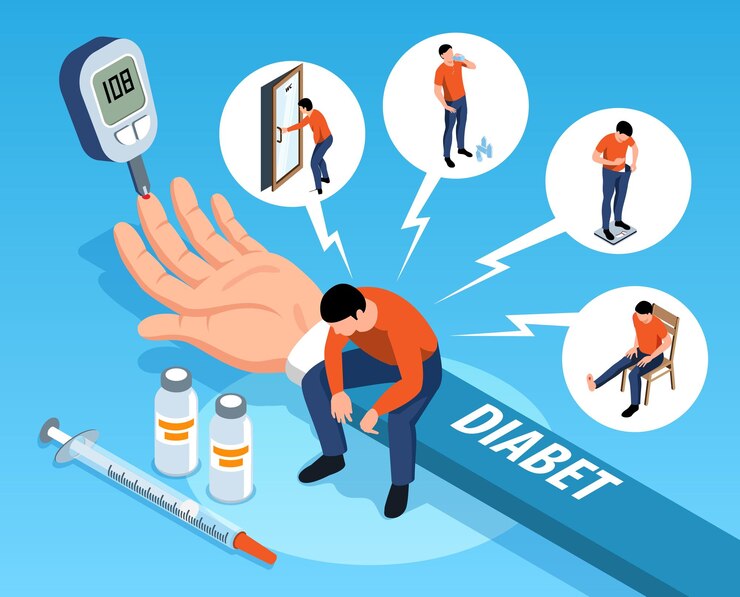
Frequent urination: One of the 3 Ps of diabetes, polyuria, is caused by the increased sugar level in the blood, which forces the kidneys to work overtime to filter it out. It can lead to dehydration and an urge to urinate more often than usual.
Increased thirst and extreme hunger: Another symptom is polydipsia. The body is trying to eliminate the excess sugar, which leads to increased thirst. On the other hand, an increase in appetite due to diabetes is called polyphagia. Hunger doesn’t go away even after eating a full meal.
Fatigue is caused by the body’s inability to use glucose for energy. When too much sugar is in the blood, the body cannot convert it to energy, leading to fatigue.
Blurred vision: When the sugar level in the blood is too high, the eye’s lens can swell, resulting in blurred vision and, in severe cases, blindness.
Slow-healing wounds: Diabetes can cause poor circulation, leading to slower wound healing. Therefore, patients with diabetes are advised not to undergo surgical procedures readily.
Numbness or tingling in the hands or feet: Too much sugar in the blood can damage the nerves, leading to numbness or tingling in the extremities.
Weight loss is caused by the body’s inability to use glucose for energy. When the body cannot convert glucose to energy, it breaks down muscle and fat for energy.
Yeast infections: Women with diabetes are more prone to yeast infections. High blood sugar levels can promote yeast growth.
Skin problems: Diabetes can cause various issues, such as darkening skin, itching, and rashes.
Impotence is a symptom of diabetes that can be caused by nerve damage or damage to the blood vessels. High blood sugar levels can damage the blood vessels, leading to impotence.
A certificate in first aid in Adelaide is an asset to employers, families, and the community because it allows one to manage the symptoms of diabetes and carefully assist a patient.

Hypoglycaemic Attack (Low blood sugar)
Many symptoms can be associated with low blood sugar. The following is a short list of the more common ones:
- Mental confusion, inability to concentrate
- Headache
- Sweating
- Pale skin
- Mood swings, such as temper outburst
- Rapid pulse
- Dizziness or lightheadedness
- Trembling, shaking, tiredness or weakness
- Hunger, a craving for sweets
- Slurred speech
- Unresponsive or seizure
- May progress to unconsciousness
First Aid For Hypoglycemia
- The best way to treat severe hypoglycemia is to make the affected person eat or drink something that will quickly raise the blood sugar level. This can be a glass of orange juice, a slice of bread, or a candy bar.
- If the person is conscious but unable to eat or drink, they may need an injection of glucagon, a hormone that raises blood sugar levels.
- Call triple zero (000) for medical assistance if the patient loses consciousness.
Once the casualty is feeling better, suggest a small meal with carbohydrates (e.g. sandwich & milk), as this will help stabilise their blood sugar over a more extended period
If the condition deteriorates or does not improve:
- The casualty becomes unconscious; follow DRSABCD
- Seek medical aid urgently
DO NOT attempt to feed an unconscious casualty sweet food by mouth, as this will only cause a significant risk to their airways and likely cause them to choke.

Hyperglycaemia (High blood sugar)
High blood sugar generally occurs in people with undiagnosed diabetes. The effect is a build-up of toxins in the blood called Ketoacidosis. Prolonged high blood glucose also alters the shape of the lens in the eye; hence, blurred vision can also be a symptom.
When Ketoacidosis is present, the smell of acetone may be found to be present in the casualty’s breath (this is a lovely smell), as well as rapid, deep breathing, nausea, vomiting, abdominal pain and a state of altered consciousness. It can lead to unconsciousness if not managed.
Hyperglycemia (High blood sugar) Symptoms:
The most common symptoms of hyperglycemia are:
- Excessive thirst
- Excessive and frequent urination
- Recent weight loss
- Rapid pulse
- Nausea and vomiting, abdominal pain
- Rapid breathing
- Fruity, sweet smell of acetone on the breath (similar to paint thinner or nail polish Remover)
- Dry skin and mouth, with sunken eyes (signs of dehydration)
- Confusion, a deteriorating level of consciousness, or unresponsiveness
First Aid For Hyperglycemia
- Check the person’s blood sugar level and treat it if it is high (over 11mmol/L)
- If an insulin injection combined with medication potentiated blood glucose lowering, give the person a sugary drink or food if they feel dizzy, shaky, or faint.
- Call 000 if the person does not have diabetes and their blood sugar level is very high or if they are having trouble breathing.
- Stay and closely monitor the patient until medical help arrives
To prevent these kinds of emergencies, do more physical activities, eat less, and, if necessary, visit your doctor for insulin adjustments.
Recommendations
As per an excerpt from ANZCOR Guideline 9.2.9 – First Aid Management of a Diabetic Emergency, as a first aider:
- If the person is trained to do so and a glucometer is available, checking the person’s blood glucose level will guide management and confirm hypoglycemia or hyperglycemia.
- Treatment may lead to marked improvement if the blood glucose level is low and is unlikely to harm if it is high.
- When unsure if the person has a high or low blood glucose level, the safest option is to treat hypoglycemia (low blood glucose level).
What are the Complications of Diabetes?
Researchers from the University of Adelaide have investigated about 1.5 million adult patients and reported that many people are unknowingly living with diabetes or are at significant risk of developing life-threatening symptoms.
People with diabetes need to be very careful in managing their conditions and staying healthy, as complications associated with diabetes include:
- Cardiovascular disease, e.g. heart attack
- Nephropathy – kidney disease
- Neuropathy – nerve damage
- Retinopathy – eye damage
- Foot problems due to gangrene – tissue death due to a lack of blood flow. Diabetes is also a leading cause of amputations.
Interestingly enough, diabetes can also lead to a host of oral health problems.
The Link Between Diabetes and Oral Health
Diabetes increases the risk of gum disease, oral infections, and dry mouth. High blood sugar promotes bacterial growth, which can lead to:
- Gingivitis or periodontitis
- Slow healing after dental procedures
- Tooth loss
Regular dental check-ups and strict oral hygiene are essential.
What is a Diabetic Coma?
A diabetic coma is a severe and life-threatening complication that occurs when blood sugar levels go dangerously high or low. It can be triggered by two conditions: diabetic ketoacidosis (DKA) and hyperosmolar hyperglycemic state (HHS).
- Diabetic Ketoacidosis (DKA): This typically happens in Type 1 diabetes when the body starts breaking down fat for fuel due to a lack of insulin. The byproducts of this process are called ketones, which can build up and make the blood acidic, leading to a potentially fatal diabetic coma.
- Hyperosmolar Hyperglycemic State (HHS): More common in Type 2 diabetes, this condition is marked by extremely high blood sugar (often above 600 mg/dL) without the presence of ketones. It can lead to severe dehydration, confusion, and even coma.
Signs of a Diabetic Coma Include:
- Excessive thirst and dry mouth
- Nausea, vomiting, and abdominal pain
- Difficulty breathing (in the case of DKA)
- Confusion or loss of consciousness
- Fruity-smelling breath (in the case of DKA)
Preeclampsia and Diabetes
For women with diabetes, pregnancy can come with additional risks. One of these risks is preeclampsia, a condition marked by high blood pressure and organ damage, usually to the kidneys and liver. If not treated, preeclampsia can be harmful to both the mother and the baby.
Pregnant women with diabetes should have regular check-ups to monitor their blood pressure and blood sugar levels, ensuring early detection and management of any potential issues.
- Insulin Resistance: In Type 2 diabetes, the body becomes resistant to insulin, which can raise blood sugar and increase the likelihood of high blood pressure.
- Increased Inflammation: Diabetes can cause low-grade inflammation throughout the body, which may contribute to developing preeclampsia.
- Vascular Damage: The high blood sugar seen in diabetes can damage blood vessels, making it harder for the placenta to get enough blood and nutrients, which raises blood pressure.
How Does Diabetes Affect Mental Health?
Living with a chronic condition like diabetes can lead to significant mental and emotional challenges. The stress of daily blood sugar monitoring, dietary restrictions, and fear of complications can lead to:
- Anxiety and depression
- Diabetes distress – a condition involving burnout and frustration from managing diabetes
- Reduced motivation for self-care
Mental health support and counseling should be considered a part of holistic diabetes care.
How Likely Would I Get Diabetes?
Several groups of people are at increased risk for Type 2 diabetes. These are as follows:
- Obesity
- Have a family history of diabetes
- Are African American, Hispanic/Latino, American Indian, or Asian American
- Have high blood pressure
- Have abnormal cholesterol or triglyceride levels
- Are physically inactive
- Have a history of gestational diabetes or gave birth to a baby weighing more than 4.08 kilograms.
If you have any risk factors, you must talk to your doctor about ways to prevent or delay Type 2 diabetes.
Diabetes in Children and Adolescents
Type 1 diabetes is commonly diagnosed in children and adolescents. However, Type 2 diabetes is now also rising in young people due to poor dietary habits and sedentary lifestyles. Warning signs in children include:
- Bed-wetting after being dry
- Irritability or mood changes
- Sudden vision problems
- Unexplained weight loss
Early diagnosis and a structured treatment plan are crucial in paediatric diabetes.
What Lifestyle Factors Affect Diabetes Risk?
If a person’s daily routine involves having a sedentary lifestyle, eating unhealthy food, smoking, or drinking too much alcohol for many years, then the chances of developing diabetes are high.
Can You Get Diabetes Overnight?
No, you cannot get diabetes overnight. Diabetes is a chronic condition that develops over time. However, you may be at risk for developing the disease if you have certain risk factors previously mentioned.
How Can You Reduce the Risk of Diabetes?
Maintain healthy body weight. Being overweight or obese is a significant risk factor for Type 2 diabetes.
Eat a healthy diet. A diet high in whole grains, fruits, vegetables, and lean protein can help you maintain a healthy weight and reduce your risk of diabetes.
Get regular exercise. Exercise can help you lose weight, lower blood sugar levels, and help prevent insulin resistance.
Quit smoking. Smoking is a significant risk factor for many chronic diseases, including Type 2 diabetes. If you smoke, quitting is the best thing you can do for your health.
Reduce your stress levels. Stress can increase your blood sugar levels and contribute to weight gain. Finding ways to manage your stress can help you control your blood sugar levels.
Is There a Test That Could Indicate My Risk of Getting Diabetes?
Some tests could indicate your risk for diabetes by measuring the amount of glucose in your body, such as the fasting blood glucose test or the oral glucose tolerance test. A more specific blood test called HbA1c is used to identify type 2 diabetes.
Your best bet is to talk to your doctor about your risks and glucose monitoring. They can help you determine whether and how often you should be tested.
Monitoring Blood Sugar – What You Need to Know
Understanding and regularly monitoring blood sugar levels is a key part of diabetes care. Methods include:
- Finger-prick blood glucose testing
- Continuous Glucose Monitors (CGMs) – provide real-time readings
- HbA1c blood test – measures average blood sugar over 2–3 months
Target ranges may vary depending on age, health, and the type of diabetes, so consult your doctor.
What Does Diabetes Education Consist Of?
Education about this health condition is an integral part of diabetes management. It can help people better understand and manage the disease effectively, especially if they are at high risk of or showing symptoms of type 2 diabetes. Various healthcare providers, including doctors, nurses, dietitians, and diabetes educators, can provide this.
CPR First Aid is a leading training provider (RTO 21903) of first aid courses in Adelaide. Receive top-notch training from fully qualified trainers in providing first aid for children and adults, CPR, DRSABCD, and many more. Reach out to us for more information on how to get first aid certified.
Conclusion
Understanding the impact of blood sugar on overall health is crucial for anyone with diabetes. While diabetes presents several challenges, managing blood sugar and keeping up with health check-ups can help prevent serious complications, such as infections, diabetic coma, preeclampsia, and cardiovascular events. By staying informed and being proactive about care, people with diabetes can lead healthier, more fulfilling lives.
Take control of your health—it’s not just about avoiding the complications; it’s about living well in the process.