

Key Takeaways – Great White Sharks in Perth
-
Great white sharks inhabit Western Australia’s coastline, including waters off Perth, and are occasionally sighted near popular beaches like Cottesloe and City Beach.
-
Peak shark activity occurs from September to December, when warmer waters and abundant prey draw great whites closer to shore.
-
While typically offshore hunters, great whites may enter near-shore waters in pursuit of seals, sea lions, or schools of fish.
-
Shark attacks in Perth are rare, with fewer than 10 incidents annually across Australia, often caused by mistaken identity.
-
Risk factors include swimming alone, murky water, and dawn/dusk activity, when sharks are most likely to feed.
-
SharkSmart app provides real-time sightings and alerts, helping beachgoers make safer decisions before entering the water.
-
Personal deterrents like SharkShield can reduce the chance of close shark encounters for swimmers and surfers.
-
Follow beach safety rules: observe flag warnings, avoid high-risk times, and swim in patrolled areas.
-
First aid knowledge, including CPR, is vital for responding to shark bite emergencies and improving survival chances.
-
CPR First Aid offers accredited courses to prepare beachgoers and surfers for emergency situations in Perth’s coastal waters.
Are There Great White Sharks in Perth?
One of the most feared ocean dwellers are the great white sharks, which are characterized by their size, strength, and hunting prowess. Their entry into the waters off Perth, Western Australia, has raised great concern among beach goers, surfers, and swimmers alike. It is no doubt that over the years, there have been numerous reports of shark sightings and even attacks that raise concerns regarding encountering such apex predators. In this comprehensive guide, we will delve into the presence of great white sharks in Perth, their behaviors, the risks they pose, and the safety measures you can take to protect yourself when enjoying the ocean.

Great White Shark Presence in WA Waters
Great whites are present along the whole Western Australian coastline, including around Perth. Great whites have been described as migrant species that travel long distances in the ocean. The threat of meeting a great white shark in Perth is actual, but to evaluate the actual danger for swimmers and surfers, one should know their behavioural patterns.
Seasonal Patterns & Peak Months
Great whites are more active at some periods of the year, especially when the waters are warm. Spring and early summer, September to December, are peak months for shark sightings and encounters. Great whites will make their way into the shore areas during these months in pursuit of food, including seals and sea lions. This is why the presence of these sharks is particularly noticeable in the warmer months when marine life, including their prey, is abundant in Perth’s waters.
While great whites are more frequently seen in these peak months, it’s important to note that sharks can be active year-round. However, the likelihood of encountering one is higher during the warmer months, as these sharks tend to hunt near the shore.
Offshore vs Near-shore Behaviour
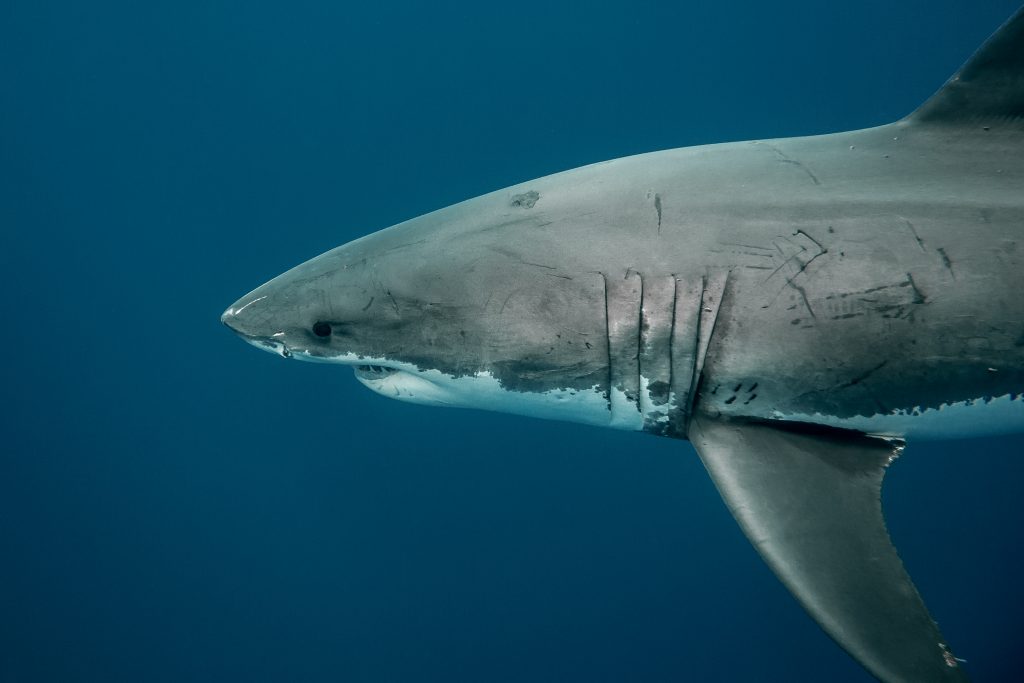
Great whites are essentially offshore species, usually swimming offshore in deeper waters. However, they do venture to the shore for purposes of hunting or during specific migratory seasons. It is for this reason that they are sometimes spotted near popular Perth beaches. These sharks are known to haunt the areas with lots of prey around, and this can extend to near-shore waters.
As great whites approach the coast, they might be drawn to beaches where there are large assemblies of marine life, such as fish schools or a haul of seals. The swimmers and surfers in these beaches might be at greater risk when sharks are on the hunt around them.
Recent Sightings & Incidents
There have been many anecdotal records of great white shark sightings and attacks in Perth over the last few decades. Although shark attacks are still rare, they have been frequent enough to cause concern and raise awareness among surfers and beachgoers.
Perth Coast Anecdotal Sightings
Perth’s beaches, like Cottesloe Beach and City Beach, have seen numerous great white shark sightings. Lifeguards and coastal authorities patrol the beaches on a regular basis and issue alerts when sharks are spotted. Great whites have even been spotted swimming close to surfers or swimmers in some cases, and lifeguards immediately clear the water and make sure the area is safe.
One of the most memorable incidents was a shark sighting at Cottesloe Beach, when a huge great white shark had been spotted swimming a short distance off the shore. Although the shark swam close to the swimmers, it failed to attack, but the sighting was an alarming reminder of the dangers that lie in Perth’s seas.
Swan River Bull Shark Attacks
Although bull sharks are more prevalent in the Swan River, there have been sightings of great white sharks entering this system. The Swan River, which runs through the center of Perth, is highly used for boating, fishing, and recreational swimming. Despite great whites being less frequent in the river, the presence of any species of shark is a concern, especially since the river is one of the largest recreational centers.
A great white shark was seen in 2018 near the mouth of Perth’s Swan River, which is a reminder that great whites are capable of swimming through waters closer to shore where they can interact with humans. Although there is little chance of a great white shark encounter in the river, being vigilant for shark activity is still necessary.
Great White Shark Attacks in Perth
There have been instances of great white shark attacks on swimmers and surfers along the Perth coast. The attacks have been closely followed in the media because of the seriousness of the injuries and the emotional impact upon the community.
One of the most famous incidents took place in 2000, when a great white shark struck a swimmer who was merely 50 yards from the beach at Cottesloe Beach. The swimmer lost half their leg and is a grim reminder of the possible threat sharks can be in the region.
5.3-metre Great White Shark Seen Chasing a Tiger Shark in Perth
Another major sighting was when a 5.3-metre great white shark was spotted attacking a tiger shark at one of Perth’s most popular swimming beaches. The sighting was reported just 300 metres offshore, and the shark was seen in the vicinity for a few hours. The shark’s presence was reported in time, and beachgoers were cleared from the water without anyone getting hurt.
These incidents, though rare, highlight the presence of great white sharks in Perth’s waters. It’s crucial for beachgoers to be aware of these risks and take necessary precautions.
Assessing the Risks
Even though shark bites are uncommon, the possibility of a great white shark in Perth waters exists. Knowing what affects shark behavior can assist in determining the probability of an attack and allow swimmers and surfers to make safer choices.
Probability of Shark Bite in Different Scenarios
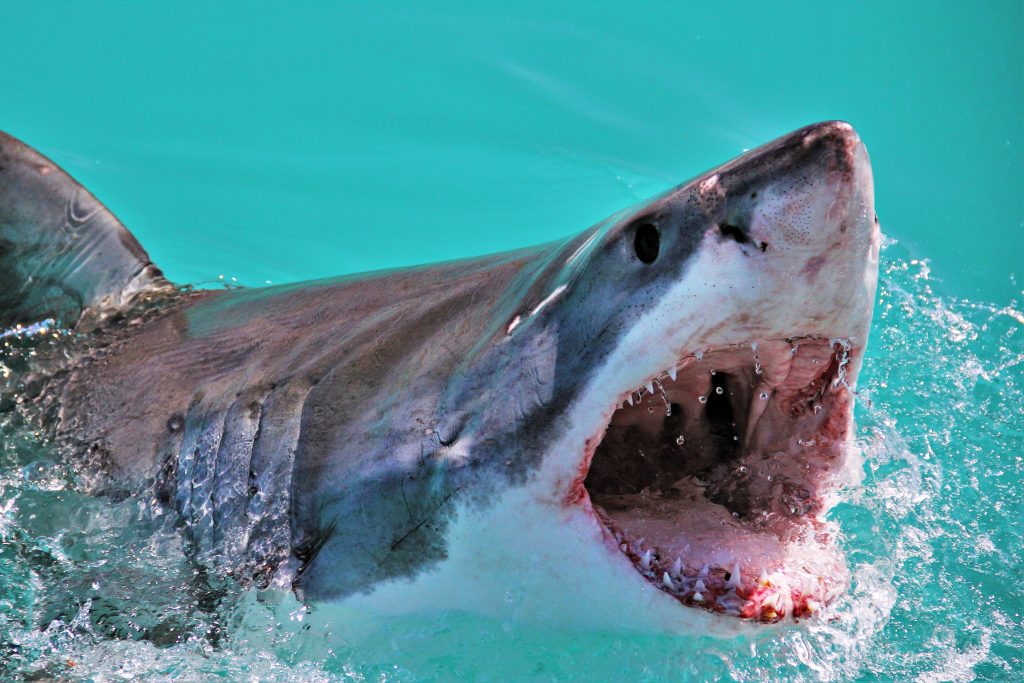
The chance of a shark bite is very rare, with less than 10 shark attacks each year in Australia. The majority of shark bites happen when the shark confuses a human for its natural food source, like seals. Sharks are not typically motivated to attack humans, but they can bite if threatened or curious.
Swimmers and surfers are at greatest risk when they surf or swim alone, particularly in cloudy waters or during times when sharks are actively searching for prey. The risk is also greater during times when sharks are nearer the shore, that is, at dawn and dusk.
Factors Influencing Risk
There are some factors that may affect the chances of encountering a shark, such as water temperature, visibility, and the availability of prey. Surfers and swimmers should not swim when sharks tend to be more hungry, which is early morning or late afternoon. It is also best to stay in groups because a shark would be less likely to attack a large group of people.
Water depth is also a consideration that might affect the chances of a shark encounter. Sharks will tend to be found in deeper water off-shore but might venture towards the beach to feed or migrate.
While the risk of encountering a shark cannot be completely avoided, there are a number of actions beachgoers can take to minimize their exposure when swimming, surfing, or engaging in other marine activities.
Follow “Sea Sense” and Use the SharkSmart App
SharkSmart is a downloadable free app offering current shark sightings and alerts in real time. It is highly advisable for anyone who will be visiting the beach since it offers users instant information on shark presence in the general vicinity. The app offers real-time live tracking of recent sightings to assist beach users in making decisions before going into the water.
Apart from deploying SharkSmart, one must also apply “Sea Sense” by being conscious of your environment and adhering to the advice of lifeguards and authorities when warning signals are given.
Personal Deterrents (e.g., SharkShield)
SharkShield is an individual shark deterrent device that sends out electrical pulses that disrupt a shark’s electroreception apparatus, causing it to feel uneasy coming near. The devices have proven to be effective in keeping sharks away, giving swimmers and surfers added protection.
Best Practices: Flags, Avoid Dusk/Dawn
Beachgoers should always be aware of flag warnings, which indicate the safety of swimming in the area. Red flags typically indicate dangerous conditions, including the presence of sharks. It is also advisable to avoid swimming at dawn or dusk, when sharks are more likely to be hunting. If possible, swim in areas that are patrolled by lifeguards and always follow their instructions.
FAQs
1. Do Great Whites Enter Swan River?
Great whites rarely venture into the Swan River, but they occasionally swim close to the river mouth while migrating. Though encounters in the river are not common, the presence of any shark species is always a cause for concern to swimmers and water users.
2. Can Sharks Be Seen While Swimming at City Beach?
Yes, great whites and other sharks have been spotted close to City Beach. Shark sightings in this location are uncommon, but the threat is generally low if safety rules are adhered to. Always get current information on shark activity from SharkSmart prior to swimming.
3. Are Great White Sharks Aggressive Towards Humans?
Great whites are not naturally aggressive to humans. Most attacks are the result of mistaken identity, as the shark mistakes a swimmer or surfer for its natural food source, such as a seal. Though rare, attacks do happen, and it’s always best to remain wary and observe the behaviour of the sharks present.
4. What Should I Do if I Encounter a Shark?
If you do come across a shark, remain calm and attempt to keep your eyes on the shark. Slowly but steadily back away towards the beach without splashing. If the shark comes closer, make yourself big by spreading your arms and using any objects in sight, such as a surfboard, to protect yourself.
5. What Are the Best Times to Avoid Swimming Due to Shark Activity?
Sharks are active at dawn and dusk when they are in search of food. You should avoid entering the water during these times since it is less visible and the likelihood of running into a shark is high. Swim in areas that are well-lit and watch out for dirty or murky waters.
6. How Can I Protect Myself from Sharks While Swimming or Surfing?
You can minimize your chances of a shark encounter by surfing or swimming in groups, remaining close to the shore, and wearing shark repellents like SharkShield. Also, look for shark activity reports through the SharkSmart app before entering the water.
7. How Can I Report a Shark Sighting in Perth?
If you see a shark in the water, report it to lifeguards or local authorities immediately. Alternatively, you can report sightings using the SharkSmart app, which assists with tracking shark activity in real-time and issuing warnings to others in the locality.
8. Are Great White Sharks Protected in Australia?
Yes, great white sharks are protected in Australia. They may not be hurt or caught. They are protected throughout Australian waters, even those near Perth, and their numbers are checked and kept safe.
9. How Do Great White Sharks Hunt?
Great white sharks are top predators that rely on stealth, speed, and brute force to catch their prey. They tend to attack from underneath, leveraging their massive strength to overwhelm prey like seals, sea lions, and smaller aquatic animals. Great whites depend on their sense of smell and electroreception to identify prey.
10. What Should I Do if I Get Bitten by a Shark?
In case of a shark attack, it is very important to immediately exit the water and seek medical care. Keep the wound pressed to stop bleeding, and call emergency services to provide assistance. Note that first aid courses, like CPR, can greatly enhance the survival chances in such a scenario.
First Aid and CPR Courses
Being prepared for a potential emergency, including a shark attack, can make all the difference. At CPR First Aid, we offer a range of CPR and first aid courses designed to equip you with the knowledge and skills to handle emergencies effectively.
Conclusion
Great whites are a natural part of Perth’s ecosystem, and although the chances of running into one are small, it’s important to be ready and aware. Taking normal safety precautions, like wearing shark deterrents, keeping up with shark activity, and obeying safety procedures, can minimize your chances of a shark encounter.
Moreover, being equipped with first aid knowledge can be a life-saving skill in the event of an emergency. Consider enrolling in one of the comprehensive CPR and First Aid courses offered at CPR First Aid. Knowledge and preparation are key to ensuring your safety while enjoying Perth’s beautiful beaches.