

Key Takeaways – First Aid for Cardiogenic Shock
-
Cardiogenic shock is a life-threatening emergency caused by the heart’s inability to pump enough blood, often linked to severe heart attack damage.
-
Early recognition of symptoms—such as low blood pressure, rapid pulse, shortness of breath, and confusion—can significantly improve survival chances.
-
Common causes include myocardial infarction, arrhythmias, valve disorders, cardiac tamponade, severe lung disease, and complications from sepsis.
-
High-risk groups in Australia include those with heart failure, coronary artery disease, hypertension, diabetes, or a history of cardiac surgery.
-
Immediate first aid steps: Call triple zero (000), monitor breathing, commence CPR if needed, use an AED, and keep the person calm and warm.
-
CPR and AED training greatly increases survival rates—courses like HLTAID009, HLTAID011, and HLTAID014 are nationally recognised in Australia.
-
Hospital treatments may include angioplasty, bypass surgery, inotropic medications, mechanical support devices, or heart transplant in severe cases.
-
Prevention strategies focus on managing blood pressure, cholesterol, diabetes, and lifestyle factors like smoking, alcohol, and physical inactivity.
-
COVID-19 may increase cardiogenic shock risk, especially in patients with existing heart disease—highlighting the need for ongoing cardiac monitoring.
-
CPR First Aid offers accredited training to equip Australians with the skills and confidence to respond effectively to cardiac emergencies.
A Life-Saving Guide to First Aid for Cardiogenic Shock
When the heart abruptly stops pumping enough blood to meet the body’s needs, it can cause cardiogenic shock, a serious medical emergency. This illness can rapidly result in organ failure and death if treatment is delayed. Improving survival rates requires knowing how to identify the symptoms and provide first aid.
The causes, signs, and first aid reactions of cardiogenic shock are examined in this thorough guide. It also emphasises how crucial it is to take CPR First Aid courses in order to be prepared for such potentially fatal circumstances.
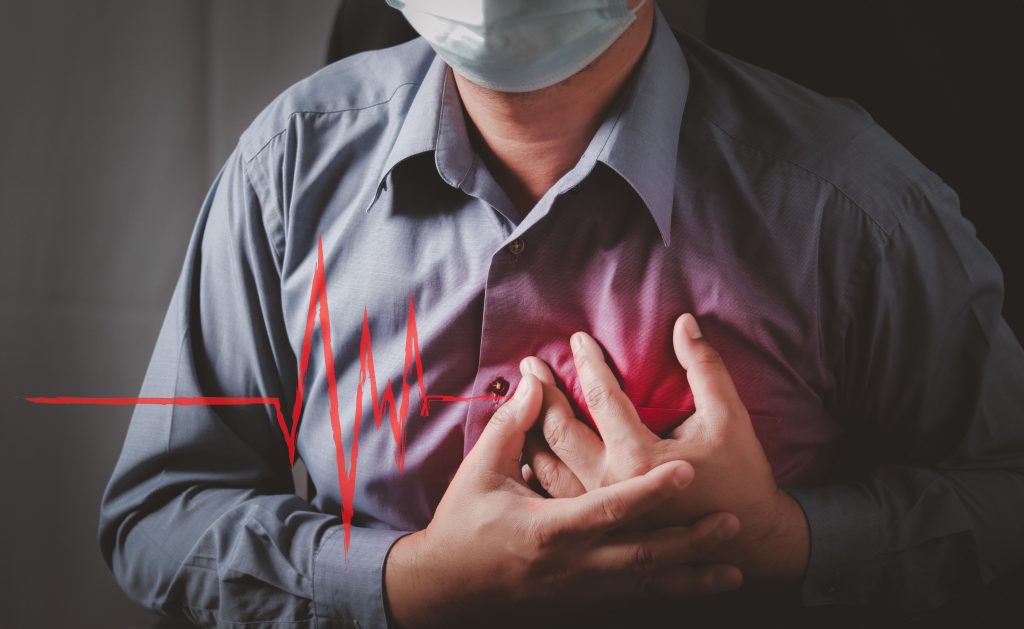
What is Cardiogenic Shock?
Reduced perfusion, or an inadequate flow of oxygen-rich blood to the body’s tissues and essential organs, is the result of the heart’s incapacity to pump blood efficiently, which causes cardiogenic shock. It is crucial to identify and treat this potentially fatal condition as soon as possible because inadequate perfusion can quickly result in organ damage and failure. Although it can also result from other cardiac conditions, it is most frequently linked to severe heart damage from a heart attack.
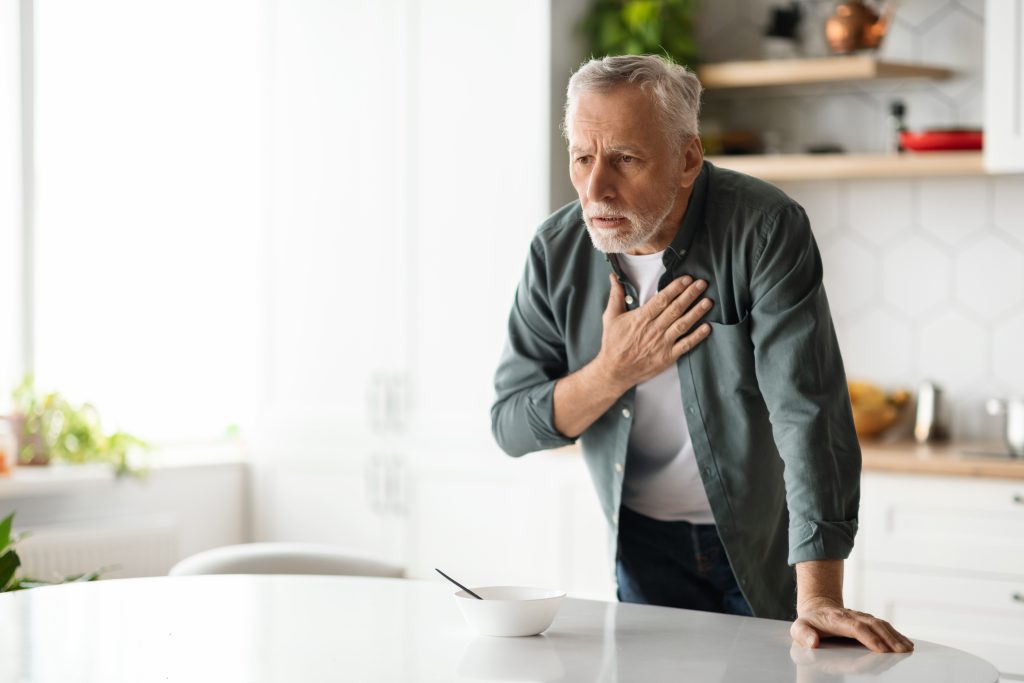
Key Conditions Leading to Cardiogenic Shock:
- Myocardial infarction (heart attack)
- Congestive heart failure
- Severe cardiac arrhythmias
- Cardiomyopathy
- Myocarditis
- Valvular heart disease
When the heart’s output decreases, blood pressure drops, organs are deprived of oxygen, and the body may initiate compensatory mechanisms that can further compromise circulation.
Incidence and Risk Factors in Australia
The Australian Institute of Health and Welfare (AIHW) regularly reports on acute coronary events. In 2021 alone, there were an estimated 57,300 acute coronary events, underscoring the prevalence of heart attacks and unstable angina. Although only a fraction will develop cardiogenic shock, the absolute numbers translate into hundreds of affected individuals annually across the country. Cardiovascular disease remains a leading cause of death in Australia, with heart failure and prior myocardial infarction increasing the risk of shock.
- Poorly managed chronic heart failure
- Coronary artery disease
- Hypertension and diabetes
- A history of cardiac surgeries or interventions
Public education initiatives, such as those run by local health departments and the Australian Resuscitation Council, aid in raising awareness of cardiac risks and improving emergency response results.
Causes of Cardiogenic Shock
While heart attacks are the leading cause, other contributing factors include:
1. Myocardial Infarction
When blood flow to the heart is blocked, muscle tissue begins to die, impairing the heart’s pumping ability.
2. Arrhythmias
Irregular heart rhythms can disrupt blood circulation, either by being too fast, too slow, or erratic.
3. Cardiac Tamponade
Fluid accumulation in the pericardial sac compresses the heart, limiting effective contractions.
4. Heart Valve Disorders
Diseased or damaged valves impede efficient blood flow and strain cardiac function.
5. Sepsis and Septic Shock
Sepsis can induce cardiac inflammation, depress heart function, and lead to cardiogenic shock.
6. Severe Lung Disease
Conditions such as chronic obstructive pulmonary disease (COPD) can indirectly reduce cardiac output.
Symptoms and Signs of Cardiogenic Shock
Improving outcomes in emergency situations throughout Australia requires an understanding of the early signs of cardiogenic shock. These symptoms frequently occur in conjunction with more extensive neurological, respiratory, or circulatory disorders.
Circulatory Symptoms:
- Low blood pressure (hypotension)
- Weak or rapid pulse
- Cold extremities
Respiratory Symptoms:
- Shortness of breath
- Sweating and clammy skin
Neurological Symptoms:
- Confusion or anxiety
- Fainting or dizziness
- Loss of consciousness
According to Australian emergency health data, such signs are commonly observed in cardiac emergencies, particularly in individuals with pre-existing heart disease. Early detection enables faster intervention, which is crucial in reducing the high mortality rate associated with cardiogenic shock.
Diagnosis and Hospital Management
Common Diagnostic Tools:
- ECG (Electrocardiogram): Detects abnormal electrical activity
- Echocardiogram: Assesses heart structure and function
- Blood tests: Evaluate cardiac enzymes and oxygenation levels
Treatment Protocols:
- Revascularisation: Angioplasty or bypass surgery to restore blood flow
- Medications: Vasopressors, inotropes, and anticoagulants to support cardiac function
- Mechanical devices: Intra-aortic balloon pump (IABP), Left Ventricular Assist Device (LVAD), or ECMO
- Heart transplant: In cases of irreversible heart damage
First Aid for Cardiogenic Shock
In an emergency, timely first aid can stabilise the person until professional help arrives. Immediate actions include:

1. Call Emergency Services
Dial triple zero (000) for an ambulance. Explain symptoms clearly.
2. Monitor Breathing and Consciousness
Check if the person is conscious and breathing. Observe their chest for movement and listen for breath sounds for no more than 10 seconds, as per Australian Resuscitation Council (ARC) guidelines. If they are not breathing normally, be ready to commence CPR immediately.
3. Administer CPR (if necessary)
If the person is unresponsive and not breathing, begin CPR immediately. Follow these steps:
- 30 chest compressions at a depth of about 5 cm
- 2 rescue breaths, tilting the head and sealing the nose
4. Use an AED (Automated External Defibrillator)
If available, apply an AED and follow voice prompts. This may restore the heart’s rhythm.
5. Keep the Person Calm and Comfortable
Lay them flat with raised legs unless they have breathing difficulty. Keep them warm and avoid unnecessary movement.
Importance of CPR Training
Bystanders trained in CPR and AED use significantly improve survival rates. It is crucial to receive proper training to administer life-saving aid confidently.
Explore available CPR First Aid courses to become qualified in emergency response, including:
- CPR HLTAID009
- Provide First Aid HLTAID011
- Advanced First Aid HLTAID014
These nationally recognised certifications are suitable for workplaces, caregivers, community responders, and healthcare professionals.
Advanced Medical Treatment in Australia
Australian hospitals employ various interventions, including:
– Percutaneous Coronary Intervention (PCI):
A catheter and stent are inserted to open blocked arteries.
– Inotropic Medications:
Drugs like dopamine and norepinephrine help strengthen heart contractions and increase output.
– Supportive Monitoring:
Patients receive continuous monitoring of:
- Blood pressure
- Heart rate
- Urine output
- Mental state
Prevention Strategies
Preventing cardiogenic shock involves managing risk factors such as:
- Heart disease: Regular check-ups and medications
- High blood pressure and cholesterol: Controlled via diet and treatment
- Smoking and alcohol: Eliminate or reduce usage
- Physical inactivity: Maintain a heart-healthy exercise routine
- Diabetes: Controlled blood glucose levels reduce cardiac stress
Cardiogenic Shock and COVID-19
According to recent research, COVID-19 may be a factor in cardiogenic shock, especially in patients who already have cardiovascular disease. SARS-CoV-2 infection can worsen myocardial damage, increase inflammatory markers, and cause acute cardiac dysfunction in Australia, according to research published in the Medical Journal of Australia (MJA) and data from the Australian Cardiovascular COVID-19 Registry. The Department of Health and Aged Care and other Australian health authorities agree that COVID-19 poses cardiovascular risks, particularly to older adults and people with comorbidities. These results highlight the importance of careful cardiac monitoring and prophylactic measures both during and after COVID-19 infection.
Summary
Cardiogenic shock is a serious illness that needs to be treated right away. It can save lives to identify early symptoms and administer first aid measures like CPR and AED use. To lower mortality and enhance results, public education and first aid training are essential.
For comprehensive CPR training, visit CPR First Aid’s course offerings and enrol today to become a confident first responder.
Frequently Asked Questions (FAQ)
What is the survival rate of cardiogenic shock?
Survival depends on early recognition and treatment. In-hospital mortality ranges from 40% to 60%, but prompt intervention improves outcomes.
How quickly should first aid be administered during cardiogenic shock?
Immediately. Every minute without intervention increases the risk of organ damage or death.
Is CPR always required for cardiogenic shock?
Not always. If the person is conscious and breathing, CPR isn’t needed. However, be prepared to perform CPR if they stop breathing.
Can I use an AED on someone with cardiogenic shock?
Yes, if the person is unresponsive and not breathing. AEDs are designed for public use and guide users through the process.
Where can I learn CPR and first aid skills?
Enrol in accredited training through CPR First Aid to learn how to respond effectively to cardiac emergencies.
By promoting awareness and providing access to first aid training, more lives can be saved when faced with cardiogenic shock.