

Russian ice swimming is not just an extreme sport — it is a centuries-old cultural tradition that continues to fascinate people worldwide. From its deep religious origins to modern wellness trends, plunging into icy waters carries both health benefits and life-threatening risks. Understanding its history, preparation methods, and the first aid required is essential before anyone dares to dive.
What is Russian Ice Swimming?
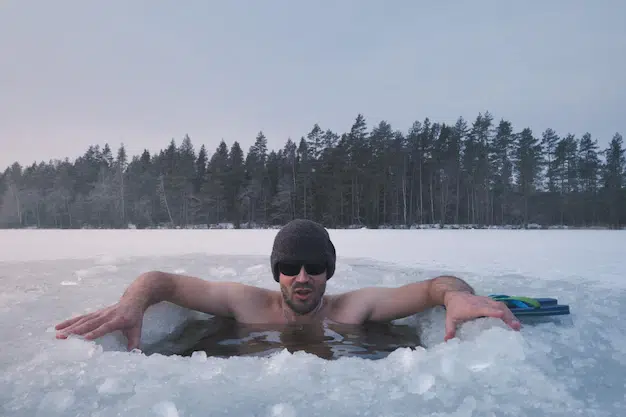
Russian ice swimming involves plunging into lakes, rivers, or pools carved out of solid ice during winter. These swims typically happen when water temperatures hover around freezing, and the ice must be cut or drilled to create an opening.
Today, the sport has developed beyond tradition. Clubs known as “walruses” exist across Russia and Europe, offering structured training and events. The activity has spread globally, with competitions in the United States, Finland, Sweden, and Germany.
For those new to the idea, ice swimming falls under the broader practice of cold water immersion — a method where exposure to freezing water is used for health, sport, or ritual purposes.
Cultural Origins & Epiphany Tradition
The roots of Russian ice swimming stretch back to at least the 16th century, when locals braved freezing lakes during the depths of winter. However, one of its strongest cultural connections is with the Orthodox Epiphany ice plunge.
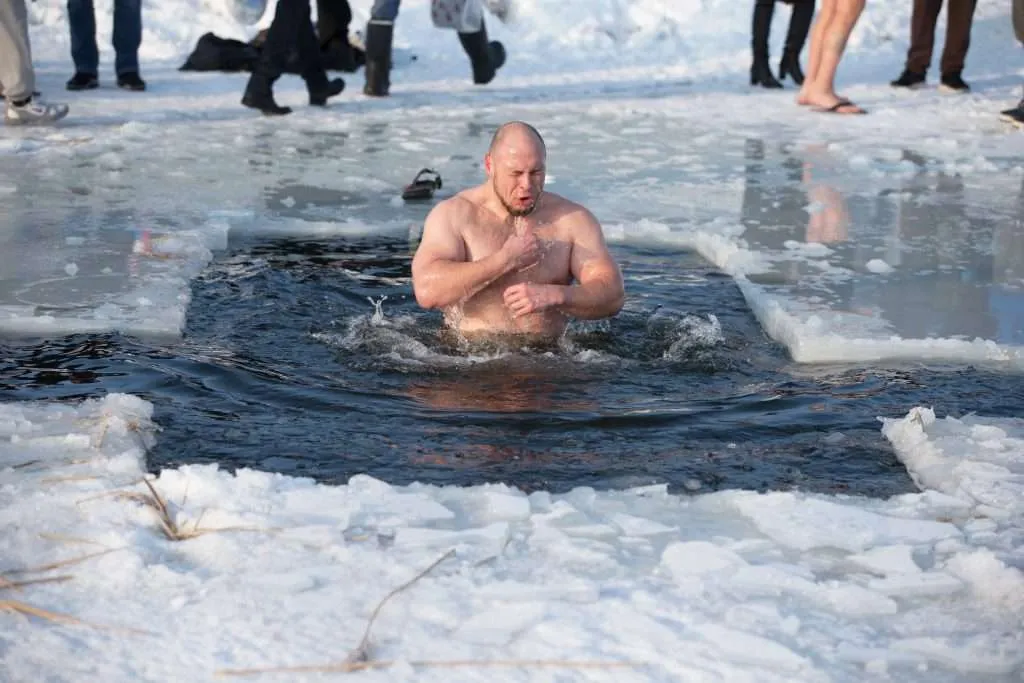
Every January, during the Orthodox Christian celebration of Epiphany, believers submerge themselves three times in a cross-shaped hole cut into the ice. This ritual is meant to cleanse sins and honour the baptism of Christ in the River Jordan.
While originally religious, the practice has evolved into both a spiritual and social tradition. Families gather at frozen rivers, priests bless the waters, and tens of thousands across Russia still participate annually.
Health Benefits of Cold Water Plunges
Many enthusiasts highlight the physical and mental advantages of icy immersion. Studies conducted in Finland and Russia reveal that winter swimmers often report better overall well-being compared to non-swimmers.
Documented Benefits of Ice Swimming
- Improves circulation: Cold water constricts blood vessels, making the heart pump harder. Over time, this strengthens cardiovascular health.
- Boosts endorphins: The shock of cold releases natural painkillers and mood elevators, reducing stress and anxiety.
- Strengthens immunity: A 2014 European study showed regular cold plungers had higher counts of infection-fighting white blood cells.
- Supports weight loss: Up to 500 calories can be burned in 30 minutes of ice swimming, thanks to thermogenesis (heat production).
- Enhances resilience: Athletes claim greater mental toughness and stress management from repeated plunges.
While these benefits are compelling, it is vital to remember that cold exposure can be dangerous without training and preparation. CPR First Aid courses provide valuable knowledge for recognising cold-related injuries and responding quickly. The  HLTAID011 Provide First Aid course teaches how to recognise symptoms and how to respond to hypothermia, among other conditions.
Risks & Cold-Water Shock Explained
Despite its rewards, ice swimming carries serious medical risks. In Russia alone, dozens of swimmers are hospitalised each year due to poor preparation or underlying health conditions.
Cold Shock Response
Upon sudden immersion, the body experiences:
- Immediate gasp reflex, increasing drowning risk.
- Rapid increase in heart rate and blood pressure, which can trigger cardiac arrest.
- Uncontrolled hyperventilation, making swimming coordination difficult.
This shock phase lasts about 1–3 minutes and is the most dangerous time for new swimmers.
Hypothermia & Frostbite
- Hypothermia: Occurs when body temperature falls below 35°C. Symptoms include uncontrollable shivering, confusion, slurred speech, and fatigue. Left untreated, it can progress to unconsciousness or death. This requires a quick response. Understanding the first aid response to hypothermia will help largely.
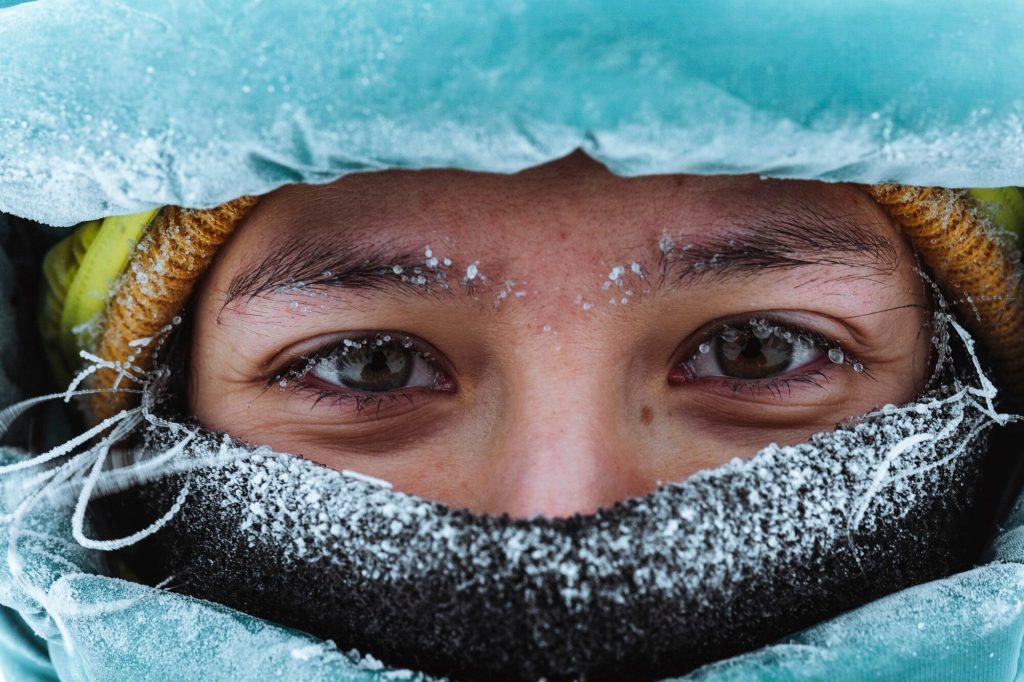
- Frostbite: Prolonged exposure can cause freezing of skin and tissue, often affecting fingers, toes, ears, and nose. Early symptoms include numbness and tingling. Severe frostbite can result in permanent tissue damage or amputation.
Real-Life Incidents & Safety Precautions
The dangers of ice swimming are not hypothetical. In 2022, a Russian woman named Anna Uskova drowned during an Epiphany ice plunge. Despite being surrounded by other participants, her body could not cope with the icy shock.
Such tragedies underscore the importance of preparation, supervision, and first aid readiness.
Preparing Safely
- Check ice thickness: Ensure it is at least 10–15 cm to support swimmers.
- Wear protective gear: Caps, gloves, neoprene boots, and earplugs reduce risk.
- Buddy system: Never swim alone; always have spotters on shore.
- Rescue setup: Ropes, ladders, and flotation devices should be within reach.
- Emergency protocol: Know local emergency numbers and CPR techniques.
First-Aid Tips During Cold Immersion
- Remove the person from water immediately and replace wet clothing with dry layers.
- Warm the body gradually using blankets, not direct heat.
- If the swimmer is unresponsive, begin CPR immediately and call emergency services.
Training through our HLTAID009 Provide Cardiopulmonary Resuscitation course equips you to act decisively in such situations.
Building Your Ice-Swimming Routine
Starting small is the safest way to adapt. Sudden full plunges may overwhelm the body.
Steps for a Safe Cold Water Immersion Routine:
- Begin with cold showers — 30 seconds at the end of a shower daily.
- Gradually increase exposure — move from cold baths to short ice dips.
- Fuel properly — eat carbohydrates for energy before swimming.
- Avoid alcohol — it lowers core body temperature and increases risk.
- Swim slowly — rushing accelerates shock; let the body adjust.
- Cool-down ritual — warm tea and layered clothing after each plunge.
Incorporating a cold water immersion routine may enhance resilience and fitness, but pairing it with first aid knowledge ensures a safer experience.
FAQs on Russian Ice Swimming
Can anyone ice swim safely?
Not everyone is suited for ice swimming. People with underlying heart conditions, asthma, or circulation problems should avoid plunging into freezing water. The extreme cold puts significant stress on the cardiovascular and respiratory systems, which can trigger dangerous complications. For healthy adults, ice swimming can be done safely if they start gradually, train their bodies through cold showers, and always swim under supervision.
When should I call emergency services?
You should call emergency services immediately if a swimmer shows signs of hypothermia, frostbite, or distress in the water. Warning signs include uncontrollable shivering, confusion, dizziness, difficulty speaking, or sudden loss of consciousness. If someone stops breathing or has no pulse, CPR must be started right away while waiting for expert to arrive.
What first-aid training do I need?
At a minimum, anyone planning to practice ice swimming should complete a CPR and first aid course. These courses provide the skills to handle drowning incidents, hypothermia, frostbite, and cardiac emergencies. With proper training, you’ll have the confidence to respond quickly and potentially save a life if something goes wrong during a plunge.
How long should I stay in the water?
Beginners should limit their first dips to no more than 30 seconds to 1 minute. Experienced ice swimmers may last a few minutes, but staying in too long increases the risk of hypothermia and frostbite. The key is to listen to your body, exit the water before numbness sets in, and warm up immediately afterward.
Do I need special equipment for ice swimming?
Yes, protective gear can make a big difference. A swim cap, neoprene boots, and gloves help retain body heat, while earplugs prevent cold water from triggering vertigo or ear pain. Having a towel, dry clothes, and a thermos of warm tea ready for after the swim is also essential. Always bring safety gear like ropes or flotation devices if swimming in a group.
Learn First Aid Before You Plunge
Russian ice swimming is thrilling, but safety should always come first. Understanding the risks and knowing how to respond can mean the difference between exhilaration and tragedy.
Ice swimming offers unique health benefits and a rich cultural history, but its dangers are real. With proper preparation, gradual conditioning, and first aid knowledge, you can experience the rush safely and responsibly.