
Key Takeaways: First Aid for Burns
-
Burns are common injuries caused by heat, fire, hot liquids, chemicals, electricity, or the sun.
-
Minor burns (less than 3 inches, redness, blistering, pain) can often be treated safely at home.
-
Major burns (deep tissue damage, charred or leathery skin, large surface area) are medical emergencies requiring immediate professional care.
-
First aid for minor burns: cool under running water 10–15 minutes, remove tight objects, avoid breaking blisters, apply aloe vera lotion, cover loosely with sterile gauze.
-
First aid for major burns: call emergency services, remove the person from danger, cover burns with a clean damp cloth, elevate the area, monitor for shock.
-
Do not apply butter, ointment, ice, sprays, or home remedies to burns — they may worsen the injury.
-
Remove clothing or jewellery near the burn, but never forcefully remove items stuck to the skin.
-
Watch for signs of shock: pale skin, shallow breathing, or fainting — and seek urgent help.
-
Severe burns may require advanced treatments like pain relief, wound care, or skin grafts in hospital.
-
Taking a certified First Aid course equips you with the skills to respond confidently to burn injuries and other emergencies.
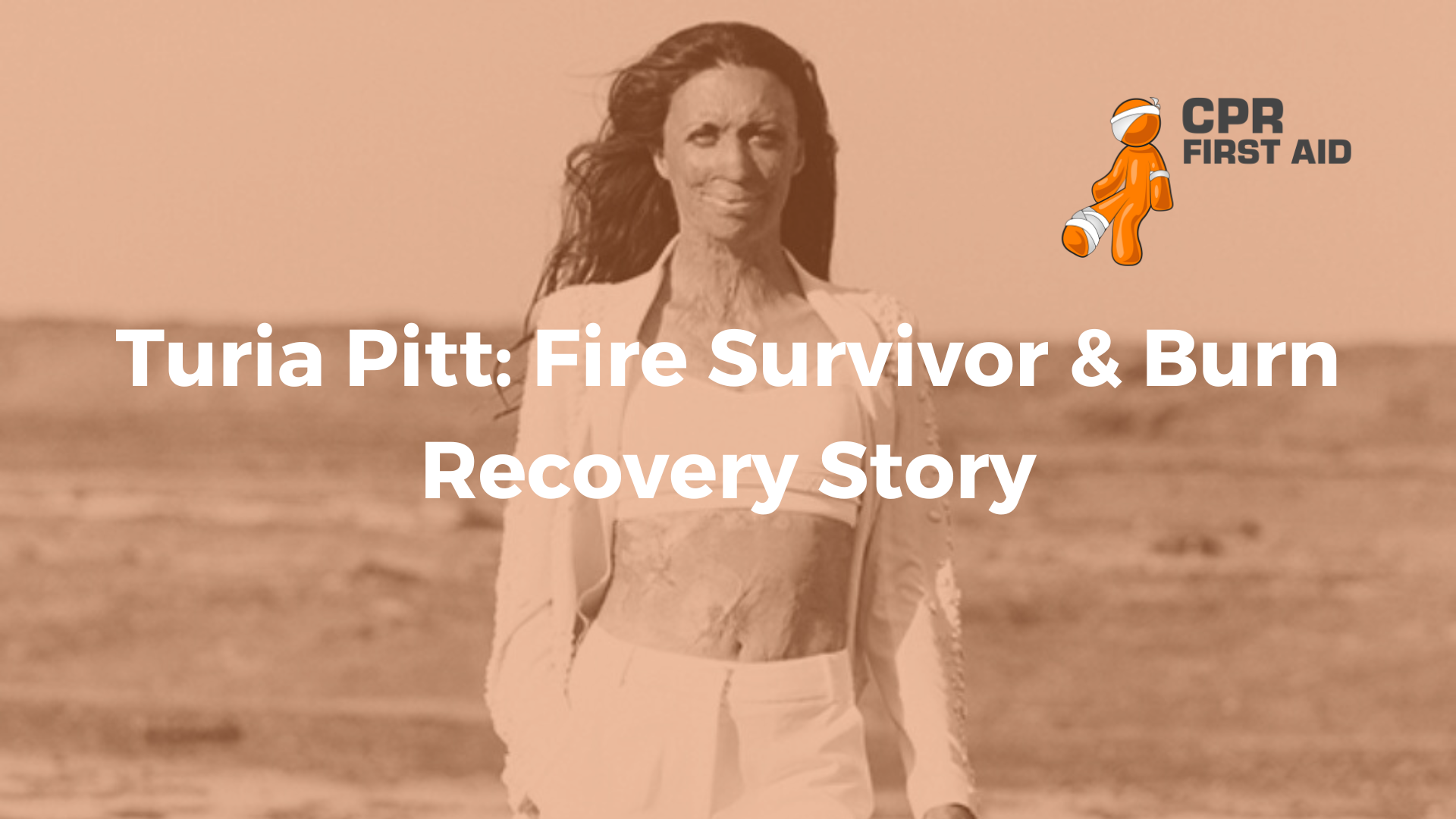
Turia Pitt’s story is one of courage, resilience, and hope. Once a thriving mining engineer and ultramarathon runner, she faced life-changing injuries after being caught in a bushfire. Her journey from survival to advocacy continues to inspire Australians and the world.
From Ultramarathon to Tragedy
In 2011, Turia Pitt was competing in an ultramarathon in the remote Kimberley region of Western Australia. The race took runners through rugged terrain — and, tragically, straight into the path of a fast-moving bushfire.
The flames trapped Turia and several other competitors in a narrow gorge. In minutes, the race turned into a fight for survival.
How Turia Was Injured
Bushfires can travel at astonishing speeds, especially in hot, windy conditions. On that day, the firestorm swept through the course so quickly that escape routes were cut off.
Turia suffered burns to 65% of her body. She was airlifted to the hospital, spending weeks in intensive care and undergoing countless surgeries. The incident not only changed her life but also sparked discussions about event safety and fire preparedness.
Her Recovery Journey
Burn recovery is long and complex. For Turia, it involved:
- Over 200 medical procedures.
- Daily physiotherapy and occupational therapy.
- Wearing compression garments for years to support skin healing.
Yet, through physical pain and emotional challenges, Turia rebuilt her life. She went on to write books, become a motivational speaker, and even return to running.
What did Turia Pitt do after her recovery?
After her recovery, Turia became a bestselling author, public speaker, and humanitarian. She advocates for burn survivors, raises funds for medical research, and inspires thousands with her story of resilience.
Lessons in Resilience
Turia’s journey shows that recovery is more than just physical healing. It’s about:
- Adapting to change.
- Maintaining a positive mindset.
- Finding purpose after trauma.
Her story encourages us to face adversity with courage and to support others in their recovery paths.
Bushfire Safety & First Aid Tips
Bushfires are part of Australia’s landscape — but preparation can save lives.
How can I prepare for a bushfire?
- Have a bushfire plan: Know your evacuation routes and safe meeting points.
- Stay informed: Monitor the Fires Near Me app or local emergency broadcasts.
- Protect your property: Clear gutters, remove flammable debris, and keep water hoses ready.
- Prepare an emergency kit: Include water, non-perishable food, a first aid kit, and important documents.
- Know first aid for burns:
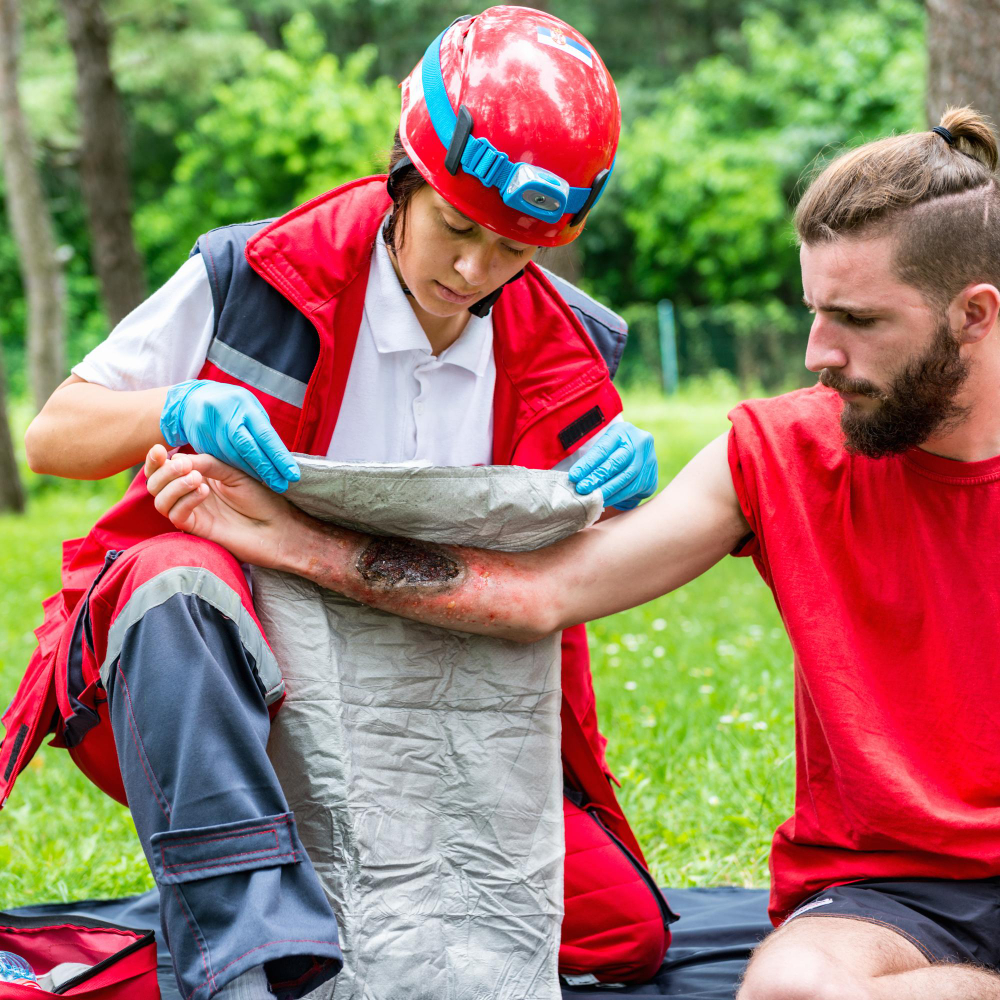
It is crucial to know the importance of burns first aid. Here are some practical tips:
- Cool the burn with running water for at least 20 minutes.
- Remove tight clothing or jewellery around the injury (unless stuck to the burn).
- Cover the burn with a sterile, non-stick dressing.
- Cool the burn with running water for at least 20 minutes.
Following these steps can reduce injury and help you respond quickly in an emergency.
CPR First Aid Courses to Prepare You
Knowing what to do in a fire or any emergency can make all the difference. Accredited training gives you the confidence to act quickly and effectively.
At CPR First Aid, you can learn:
- Provide First Aid (HLTAID011) – including burn treatment.
- Cardiopulmonary Resuscitation (CPR) – for life-threatening emergencies.
- Emergency response planning – tailored to workplace and home settings.
Preparation isn’t just about survival; it’s about protecting the people you care about.