

Key Takeaways: Construction Site Safety
- Construction site safety is vital to protect workers and the general public from falling objects, slips, trips, and moving equipment.
- Implementing strict safety procedures reduces workplace accidents and fatalities, especially from the “Fatal Four” hazards identified by OSHA.
- Strong safety measures help minimise lost time, costly delays, and legal claims, keeping projects on schedule and within budget.
- Compliance with OSHA and state regulations prevents fines and ensures your business meets mandatory safety standards.
- A safety-first culture on construction sites improves accountability, teamwork, and employee awareness.
- Regular training sessions and recognition programs encourage workers to prioritise health and safety at all times.
- Investing in safety increases employee morale and productivity, reducing absenteeism and boosting project efficiency.
- Companies with high safety standards enjoy long-term financial benefits and stronger reputations in the industry.
- Health and safety in construction directly support worker retention and talent attraction, giving businesses a competitive edge.
- Learning first aid and CPR training prepares construction workers to respond quickly in emergencies, saving lives before help arrives.
Construction sites can be dangerous if safety procedures aren’t followed. Injuries can occur from falling objects, slips and trips, or a moving object. In this article, you will learn why safety on construction sites is essential and why it should be the main priority of this line of work.
Protecting the General Public through Construction Site Safety
According to the Construction Training Fund of Western Australia, 1.18 million people were employed in the Australian construction industry. That’s why safety measures on building sites safeguard the people there and ensure that the public is not endangered. Construction sites are typically highly trafficked locations, close to entry points and exit for the general public. Due to inadequate safety standards, things can fall on innocent onlookers, placing them in danger and persons in no way connected to the project.
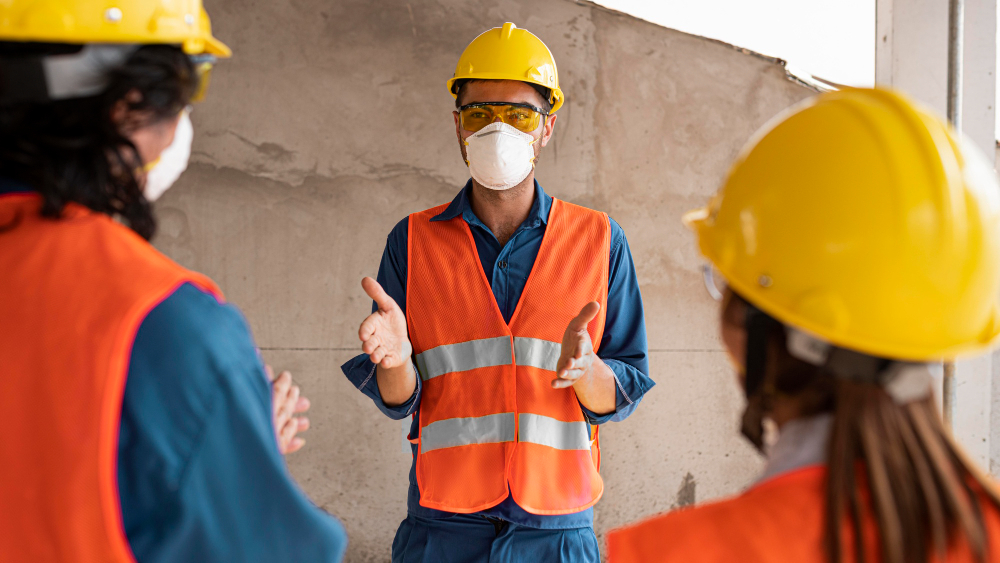
High-Risk Hazards on Construction Sites
The safety of construction sites lowers the likelihood that the general public will get injuries and the possibility that employees will sustain injuries or be involved in accidents on the job. According to estimates provided by the Occupational Safety and Health Administration (OSHA), the construction industry is responsible for over a quarter of all fatalities that occur as a direct result of working conditions.
Falls
- Falls are one of the leading causes of fatalities in construction.
- Commonly occur from scaffolding, ladders, or roofs.
- Proper fall protection systems and training are critical.
First Aid For Falls
Keep the worker still, check for fractures or head injuries, call 000 immediately, and provide CPR if unresponsive.
Crushing Injuries
- Can happen when workers are caught between heavy machinery, vehicles, or collapsing materials.
- Require strict equipment safety protocols and constant awareness.
First Aid For Crush Injuries
Call 000, stop the machinery if safe, control bleeding with direct pressure, and keep the injured area still until help arrives.
Electrical Shocks
- Result from contact with exposed wiring, faulty equipment, or overhead power lines.
- Inspections, lock-out/tag-out procedures, and PPE help prevent accidents.
First Aid For Electrical Shocks
Do not touch the person until power is off. Call 000, check breathing and pulse, begin CPR if necessary, and treat visible burns with cool running water.
Heat Stress
- Prolonged work in Australia’s hot climate increases the risk of dehydration, heat exhaustion, and heatstroke.
- Hydration, shaded rest breaks, and heat awareness training are essential.
First Aid For Electrical Shocks
Move the worker to shade, give small sips of water if conscious, cool the body with damp cloths or fans, and call 000 if symptoms worsen.
Cardiac Events
- Heavy labour, extreme conditions, and pre-existing health issues can trigger cardiac arrest on site.
- On-site CPR training and access to defibrillators (AEDs) improve survival outcomes.
First Aid For Cardiac Events
Call 000 immediately, start CPR, and use an AED (defibrillator) if available until emergency responders arrive.
Reduce the Amount of Lost Time and Money Following an Accident
Work is halted whenever an accident results in severe injury or death. Due to the serious nature of these accidents, an investigation is required; nevertheless, work cannot continue while the investigation is taking place.
Accidents on construction sites contribute further to the overall expense of your project. When this happens, your overhead costs will likely increase because of the damaged equipment or supplies. Claims filed for worker’s compensation by employees who have been injured might ramp up total operating expenses. It is more likely that a lawsuit will be filed if the person who was hurt was not employed by the building company. Keeping this risk to a minimum at the building site helps ensure the project will be completed on time and within the allotted budget.

WHS Regulations in Australia for Construction
Safe Work Australia sets national guidelines, while each state and territory enforces its own laws. These regulations cover site safety, PPE use, first aid, and risk management. Construction businesses must comply to avoid fines and protect workers.
Key Safety Requirements
- Provide safe access and exits on worksites
- Control exposure to high-risk hazards (falls, electrocution, heat stress)
- Ensure proper use of PPE and equipment
- Appoint trained first aid officers on site
Consequences of Non-Compliance
Failing to meet safety standards can lead to significant consequences, even if no accident occurs.
Risks for Businesses
- Fines & penalties from WHS regulators
- Legal liability if workers or the public are harmed
- Project delays during investigations
- Reputation damage, reducing future contract opportunities
Benefits of Going Beyond Compliance
Exceeding minimum requirements shows clients, workers, and regulators that safety is your top priority.
Why Aim Higher?
- Protect your workforce and reduce accident risks
- Improve efficiency by avoiding downtime
- Boost morale and retention with a safety-first culture
- Win contracts by demonstrating strong compliance credentials
Foster a Safety-First Culture on Your Construction Site
Creating a safety-first environment starts with making safety a core part of every job. Set clear safety standards from day one, provide regular training, and recognise employees who consistently prioritise safe practices. A strong safety culture protects workers and the public, keeps projects on schedule, and reduces the risk of accidents and delays.
Conclusion
Prioritising health and safety is essential before starting any construction project. The construction industry carries inherent risks, but with proper precautions, accidents can be prevented. Statistics show work-related injuries and illnesses affect a significant number of workers, leading to lost time and lower morale.
By completing first aid and CPR training, you can respond confidently to emergencies on-site and protect both yourself and your team. Enrol in a CPR First Aid course in Melbourne CBD to stay prepared and keep your construction site safe.
Frequently Asked Questions (FAQs):
-
Why is safety important on construction sites?
Safety helps protect workers and the public from injuries caused by falls, slips, moving equipment, and falling objects. A safe site also keeps projects running on time and within budget.
-
What are the biggest hazards on a construction site?
The most common risks, often called the “Fatal Four,” are:
- Falls from heights
- Being struck by an object
- Electrocution
- Getting caught in or between equipment
-
How can construction accidents be prevented?
Accidents can be reduced by following strict safety rules, using protective gear, holding regular training, and creating a culture where safety is everyone’s responsibility.
-
What happens if a construction company doesn’t follow safety regulations?
Companies that ignore safety standards risk fines, penalties, legal claims, costly delays, and damage to their reputation.
-
How does safety affect productivity on site?
Strong safety procedures reduce accidents, which means fewer delays, less downtime, and higher productivity. Workers also feel more confident and motivated when they know their health is protected.
-
What are the financial benefits of prioritising safety?
Safe sites avoid expensive lawsuits, reduce workers’ compensation claims, minimise lost time, and improve project efficiency. In the long run, safety boosts profits and builds trust with clients.
-
How does safety training help construction workers?
Regular training ensures workers know how to spot risks, use equipment correctly, and respond in emergencies. Reward programs can also encourage safe behaviour.
-
What role does first aid and CPR training play on site?
First aid and CPR training prepares workers to act quickly in an emergency. Early response can save lives before professional medical help arrives.
-
How does safety affect worker retention and hiring?
Employees are more likely to stay with and join companies that value safety. A strong safety record helps attract skilled workers and keeps teams loyal.
-
What can companies do to build a safety-first culture?
- Make safety training part of onboarding
- Provide the right protective gear
- Recognise workers who follow safety practices
- Encourage open communication about risks