

Key Takeaways: Do You Burn More Calories in the Cold?
-
Cold weather increases calorie burn because your body works harder to maintain core temperature.
-
Thermogenesis—especially from brown fat—plays a big role, with studies showing up to 15% more calories burned in cold conditions.
-
Shivering can burn between 100–400 calories per hour, sometimes more than light cycling, but it’s not sustainable long-term.
-
Non-shivering thermogenesis (via brown fat) provides a steadier, more efficient calorie burn without muscle contractions.
-
Factors such as body weight, clothing layers, exposure time, and temperature directly influence how many calories you burn in the cold.
-
Cold-weather workouts like skiing, brisk walking, and snowshoeing can be safe and effective for boosting calorie expenditure.
-
Proper layering and hydration are essential to stay safe and maximise cold-weather exercise benefits.
-
Prolonged exposure carries risks like hypothermia and frostbite—knowing first aid steps and when to call emergency services is critical.
-
Cold exposure may aid calorie burning, but it’s not a substitute for exercise and a healthy diet for sustainable weight loss.
-
The most effective fat-burning strategy combines regular workouts, balanced nutrition, rest, and safe cold exposure practices.
We’ve all heard the claim: “You burn more calories in the cold!” But how true is it? While we may be tempted to think that simply being outside in frigid weather melts away extra calories, the truth is more complex. Here’s a closer look at how cold weather affects your metabolism and whether it can help you burn more calories.
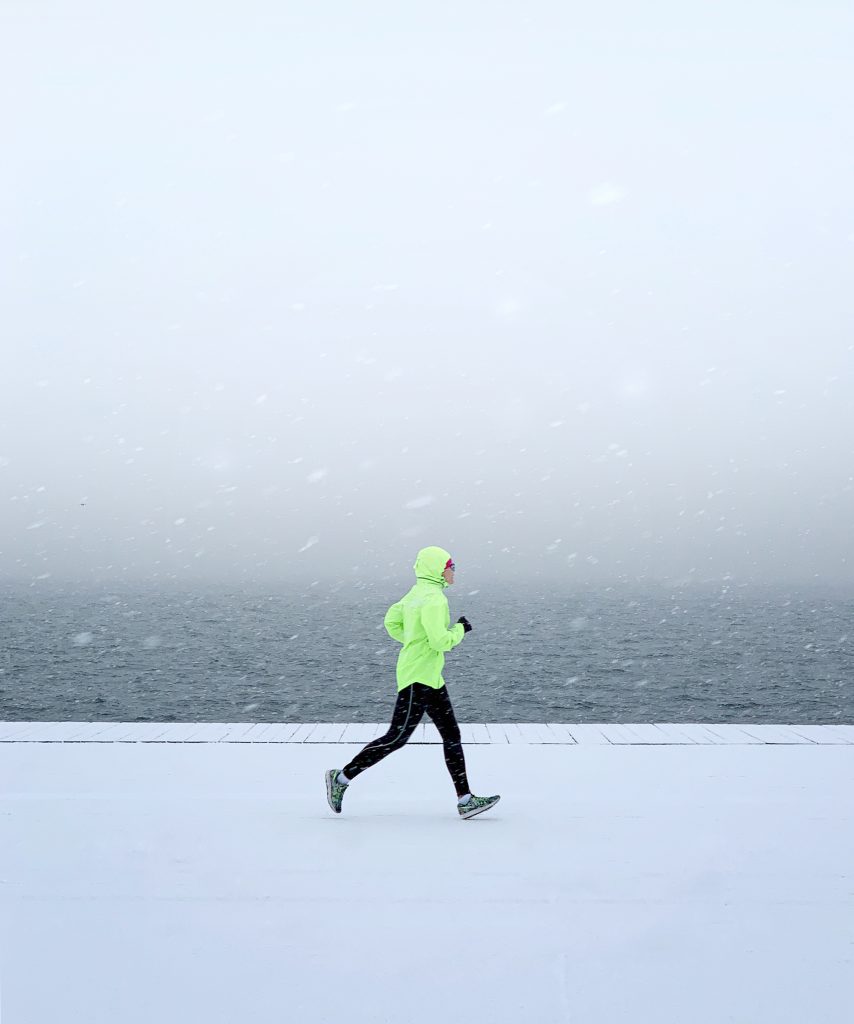
How Cold Affects Your Metabolism
When you’re cold, your body has to work harder to maintain its temperature. This increased effort can cause a surge in calorie burn, but how exactly does it work?
Thermogenesis Explained
Thermogenesis is your body’s process of producing heat to maintain a stable temperature. It occurs in different ways, but the most exciting part is that certain types of fat in our bodies, like brown fat, are designed to help with this heat production. A study published by the Endocrine Society found that individuals with detectable brown fat burned approximately 15% more calories than those without when exposed to cold temperatures
Brown fat burns calories to generate warmth, which is why it’s often considered a “good” fat. The more brown fat you have, the more calories you could potentially burn in cold conditions.
Shivering vs Non-Shivering Heat Generation
There are two main types of heat production:
- shivering
- non-shivering thermogenesis.
When you shiver, your muscles rapidly contract to create heat. This burns calories, but it’s not very efficient for long-term fat loss.
Non-shivering thermogenesis, on the other hand, happens when brown fat activates to produce heat without muscle movement. This type of thermogenesis can be a more sustainable calorie-burner over time, especially in cold environments.
Estimating Calorie Burn in Cold Conditions
So, does the cold really help you burn more calories? Let’s break it down.
Shivering vs Bicycling Calorie Comparison
If you’ve ever had to brave the cold, you’ve probably noticed that shivering makes you feel like you’re working harder than usual. Shivering can burn a significant number of calories, sometimes even more than some moderate activities like bicycling. On average, shivering can burn anywhere from 100 to 400 calories per hour, depending on the intensity and duration. For comparison, light bicycling might burn about 200 calories per hour.
Factors That Influence Calorie Use
Several factors determine how many calories you burn in the cold:
- including your weight
- the clothing you’re wearing
- how long you’re exposed to the cold
- specific environment.
For example, heavier people tend to burn more calories because their bodies exert more energy to keep warm. Also, the colder it is, the harder your body has to work, which leads to more calories burned. But if you’re bundled up in multiple layers, your body doesn’t have to work as hard to regulate temperature, so the calorie burn will be less intense.
Cold Weather Exercise Tips
Exercising in cold conditions can be quite enjoyable and effective. But how do you stay safe and maximise the benefits?

Safe vs Risky Outdoor Workouts
Not all outdoor exercises are created equal when it comes to cold weather. Safe activities include skiing, snowshoeing, or even brisk walking. These are great for both your metabolism and your muscles.
On the other hand, activities like ice swimming or snow swimming can be risky, especially if you’re not prepared. When engaging in cold-weather workouts, be sure to listen to your body and stop if you feel any signs of hypothermia, like excessive shivering or confusion.
How to Gear Up Properly
Layering is key when it comes to cold-weather workouts. You want to be warm but also able to cool down as you work up a sweat. Here are some tips:
- Start with a moisture-wicking base layer,
- Add an insulating layer
- Finish with a windproof, waterproof outer layer.
- Add warm gloves, a hat, and appropriate footwear to keep your extremities safe.
Lastly, be sure to stay hydrated, as it’s easy to forget how much you need to drink in cold weather.
Risks of Cold Exposure & First Aid
While the cold can boost calorie burn, prolonged exposure to low temperatures can be dangerous. It’s essential to understand the risks of hypothermia and know what to do in case of cold-related emergencies.
Recognising Hypothermia & First Aid Steps
Hypothermia occurs when your body’s temperature drops below 95°F (35°C). The symptoms include:
- uncontrollable shivering
- confusion
- slurred speech
- lack of coordination
If you or someone you’re with shows signs of hypothermia, knowing basic first aid is crucial. Here are the urgent things you need to do:
- Get them to a warmer environment immediately.
- Cover them in warm, dry clothing, and
- Offer warm, non-alcoholic beverages if they are alert enough to drink.
- Seek emergency medical help if the condition worsens.
When to Call an Emergency
If hypothermia symptoms progress, or if you notice any signs of frostbite (such as numbness, pale or hard skin), it’s time to call an emergency service. Don’t wait for the symptoms to get worse. Immediate action could save a life.
Sustainable Weight-Loss Alternatives
While it’s true that cold exposure can contribute to calorie burning, it’s not a substitute for healthy, sustainable weight loss methods.
Why Relying On Cold Isn’t Enough
Although cold weather can help burn extra calories, relying on it as your primary weight-loss strategy isn’t the best idea. For long-term, sustainable weight loss, it’s important to pair calorie burning with exercise, a balanced diet, and healthy lifestyle choices. Cold exposure alone won’t help you reach your fitness goals or maintain them.
Better Fat-Burning Techniques
To burn fat more effectively, the best approach is to combine cold exposure with regular workouts that increase your heart rate. Cardiovascular exercises like running, cycling, or swimming, paired with strength training, will help you burn fat faster and more sustainably. Make sure to eat a nutrient-dense diet and get plenty of rest for your body to recover and perform at its best.
FAQs
Is shivering safe for weight loss?
While shivering can burn calories, it’s not a safe or sustainable way to lose weight. Relying on shivering for weight loss could lead to physical exhaustion and other health risks.
How long does non-shivering thermogenesis last?
Non-shivering thermogenesis can last for hours after exposure to cold temperatures, depending on factors like body fat composition and the severity of the cold.
Can cold exposure replace exercise?
Cold exposure can aid calorie burn, but it shouldn’t replace regular exercise. For long-term health and weight loss, physical activity combined with a balanced diet is key.