

Burns may be some of the common injuries people in Perth acquire since everyday items may cause these. It may be appliances at home, chemicals used for work, and even the sun.
When you get a burn, your first instinct might be to grab some ice to cool it down fast. But while it might feel like the right move, using ice can actually make the injury worse.
Knowing the first aid for burns may be helpful so further complications may be prevented if it is acquired. Let’s find out why ice is not safe for burns, what the risks are, and what you should do instead to treat a burn safely — even if there is no water nearby.
Why Using Ice on Burns Can Be Risky
While it might seem like a quick way to cool down a burn, using ice directly on the skin can actually do more harm than good. Here’s why:

Ice Can Damage Burnt Skin
Burned skin is already sensitive and vulnerable. Applying ice directly can cause the skin to freeze, leading to ice burns. This happens when ice lowers the skin temperature too quickly, damaging tissue instead of helping it heal.
Risk of Hypothermia
Especially in young children, the elderly, or if a large area is burned, ice can lower the body’s core temperature too much. This may lead to hypothermia, a dangerous condition where the body loses heat faster than it can produce it.
Frostbite Is a Real Threat
Just like ice burns, frostbite can occur when skin and underlying tissues freeze. Frostbite can cause permanent damage and, in severe cases, may require medical intervention such as surgery or even amputation.
Ice Slows Down Healing
Burn treatment is all about cooling the area gently to reduce pain and prevent further tissue damage. Ice can cause blood vessels to constrict, which reduces blood flow and may delay healing.
Misuse of Ice Is Common
Many people place ice directly on the skin or leave it on for too long, not realising how dangerous this can be. Even wrapping ice in a cloth and applying it for extended periods can lead to skin damage.
Cool Water vs Cold Compresses
When treating a burn, cool running water is always the first and best choice. It helps lower the skin’s temperature, relieves pain, and reduces the risk of further tissue damage. But what if running water isn’t available? Some people turn to cold compresses instead — but they are not always used correctly.
Cool Running Water
- Use cool, not cold, water (around 15–25°C)
- Run it over the burn for 20 minutes
- Helps reduce pain and stops the burn from worsening
- Can be done up to 3 hours after the injury
Cold Compresses
- Can be used only if water is not available
- Soak a clean cloth in cool water, wring it out, and apply gently
- Avoid ice packs or anything frozen — these can damage the skin
- Only apply for short periods (5–10 minutes) at a time
Step-by-Step: What to Do If No Water Is Available
If you have suffered a burn and cannot find running water nearby, follow these first aid tips until you can get proper medical help:
- Stay calm and move away from the source of the burn (heat, chemical, etc.)
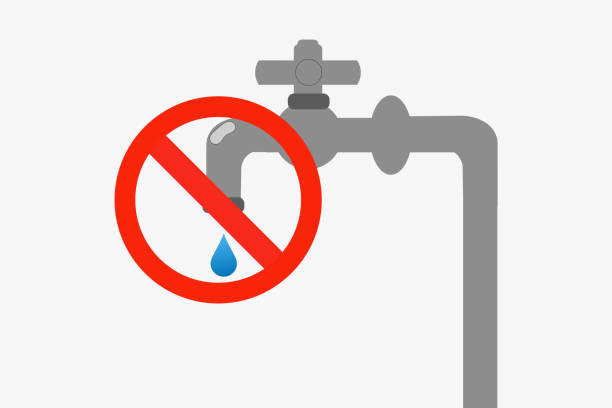
- Do not use ice or frozen items. This can make the injury worse.
- Gently cover the burn with a clean, loose sterile cover cloth or towel
- If available, use plastic cling wrap to loosely cover the area — this helps keep it clean and protected
- Use cool (not icy) liquids like milk or soft drink as alternatives to cool the area temporarily (only if water truly is not available)
- Avoid popping any blisters or applying creams, oils, or butter
- Seek medical attention as soon as possible — especially if the burn is large, blistered, or on a sensitive area
First Aid for Second to Fourth-Degree Burns
The above-mentioned first aid steps are only applicable for a first-degree burn. There are still higher levels of degrees that require the following first aid management:
- Try to take the person away from the source.
- Perform cardiopulmonary resuscitation (CPR) if the person is not breathing.
- If the person is wearing tight clothing and accessories on the burned area, remove them.
- Use a clean cloth to cover the burn.
- If possible, lift the burned area above the heart level.
- Monitor the person as he/she may experience signs of shock. If so, relay the information to the emergency response team once they arrive.
Since second—to fourth-degree burns are more severe than first-degree burns, additional first-aid responses must be made. These require additional knowledge and skills, which may be learned by enrolling in a first aid course or first aid training in Perth.
Identifying the Degree of a Burn
Knowing whether a burn is at first, second, third, or fourth degree may be necessary so that appropriate burn first aid can be done as quickly as possible. It may be identified by how the burned area looks and the cause of the burn.
First-Degree Burn
A first-degree burn will look red and dry without blisters. However, the burned area may still be painful and look lighter or darker after the incident. It may be caused by the following:
- Mild sunburn.
- Contact with a hot stove.
- Contact with a hot liquid.
Blisters are shaped like circles that may be filled with pus, blood, or serum (the watery part of your blood).
Second-Degree Burn
Blisters may be apparent to this degree, and the skin’s outer and inner layers will look red and blistered. The burned area may feel swollen and painful, too, after being exposed to the following:
- Scalding with hot water.
- Candle wax burn.
- Burn from a household appliance.
- Hot oil burns.
If deep redness is visible on the inner part of the skin, it may be possible to determine whether the inner layer is affected.
Third-degree Burn
The burned area may look white, blackened, or charred at the third-degree burn, which may be caused by:
- Burn from flames of fire.
- Contact with an electrical source.
- Contact with a chemical source.
Your Dictionary defines charred as “slightly burned or turned into charcoal by burning”, which may be associated with a well-done hamburger.
Fourth-degree Burn
Aside from the skin, muscles and bones are also affected by the fourth-degree burn. Aside from being charred, the burned area may feel numb as nerve endings are destroyed. It may be caused by:
- Contact with a hot stove or oven.
- Exposure to open flames like a fireplace and campfire.
- Exposure to chemicals.
- Injuries acquired from a building fire.
Since a hot stove and oven are everyday household items, a fourth-degree burn may also be acquired at home.
When To Seek Professional Care
Not all burns can or should be treated at home. Knowing when to get help can make a big difference in recovery. You should seek urgent medical care if there are burn severity signs such as:
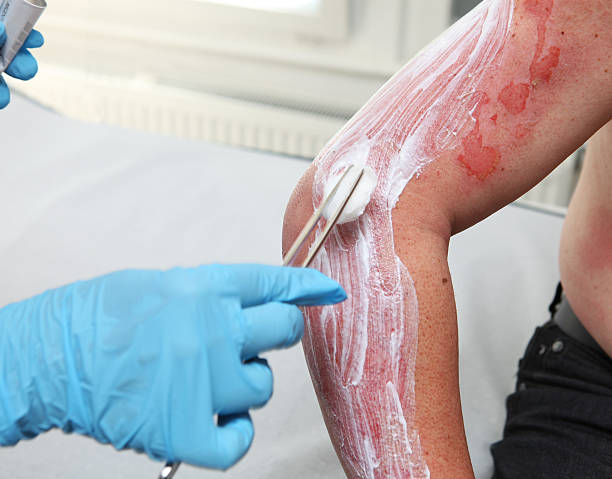
- The burn is larger than a 20-cent coin
- It affects the surface area of the face, hands, feet, genitals, or major joints
- The skin is white, black, charred, or numb (possible third or fourth-degree burn)
- Blisters form or the burn is very red, swollen, and painful
- The person shows signs of shock (pale skin, weakness, fast breathing, confusion). It could be an emergency symptoms
- The burn was caused by chemicals, electricity, or fire
- It involves a child, elderly person, or someone with a medical condition
Conclusion
While ice may seem like a quick fix for treating burns, it can actually cause more harm than good. Ice cannot be used as first aid for burns without water nearby. Using ice may only cause further damage to the tissue and lead to harmful effects. Alternative solutions may be used instead, which may be applied before going to a clinic or hospital for proper first-aid treatment and medical care.
Check out Australia-wide first aid training locations for a first aid course near you.
Frequently Asked Questions
Can I use ice on a burn if I don’t have water nearby?
No. You should never use ice or iced water on a burn as it can damage the skin even more. Instead use alternative liquids such as milk or soft drinks.
Can ice burns really happen from putting ice on skin?
Yes. Ice burns can happen when ice or an ice pack is left on the skin too long, or applied directly. This can damage skin cells and blood vessels.
What is hypothermia, and how can ice cause it?
Hypothermia happens when your body temperature drops too low. Ice on a burn can cool the body too fast especially in kids or the elderly which can be life-threatening.