

Forklift safety in Australia plays a major role in protecting workers, reducing avoidable accidents, and ensuring compliance with national workplace laws. Forklifts are essential for warehouses, manufacturing sites, construction projects, and logistics hubs. However, they also pose significant hazards if used incorrectly. With strict licensing requirements, clear safety standards, and rising accident numbers across Australian states, workplaces need strong safety systems, trained operators, and proper first aid preparedness to minimise risks.
Below, this expanded guide explores why forklift safety is important, the common accident causes, safety controls, legal duties, and how workplace first aid training strengthens overall safety.
The Stakes — Forklift Risk Statistics in Australia
Forklift accidents continue to cause serious injuries and fatalities worldwide. A U.S. Occupational Safety and Health Administration (OSHA) report highlights around 85 forklift-related deaths annually, with hundreds more injured. Locally, Australian figures show a similar pattern: SafeWork NSW reported over 140 forklift-related injuries in NSW alone in 2023, underscoring the severity of the risk.
Forklifts remain one of the leading causes of workplace incidents due to their weight, manoeuvrability, and the need for operators to multitask under pressure. Forklift collision accidents, where the machine hits a pedestrian, vehicle, or structure, are the most common and often lead to fractures, crush injuries, lacerations, and sometimes fatalities.
Combined with the ongoing rise in warehouse and distribution centre activity across Australia, these statistics highlight why forklift safety and proper training must be a priority for all workplaces.
Common Hazards That Cause Forklift Accidents
Understanding the hazards involved in forklift operation is the first step toward controlling them.
Tip-Overs and Rollovers
Rollovers occur when forklifts carry unstable or excessively heavy loads. A poorly balanced load can shift the centre of gravity, causing the forklift to tip. Rollovers are highly dangerous and commonly result in operators being thrown out or crushed.
Pedestrian Strikes
Accidents involving pedestrians often happen when the operator loses focus, drives too fast, or moves through areas without proper separation between workers and vehicles. Injuries range from broken bones and severe bruising to life-threatening trauma.
Falling Loads
Improperly secured pallets or unstable stacking can lead to loads falling from height. These incidents often cause head injuries, wounds, and fractures to nearby workers or the operator.
Crush Injuries
People working around forklifts frequently risk being caught between the machine and a wall, racking unit, or other equipment. Poor visibility, blind corners, and rushed movements contribute significantly to these events.
Blocked Vision
A blocked line of sight, whether from the load itself, poor lighting, cluttered aisles, or blind spots, can easily lead to collisions, falling loads, tip-overs, or crushing injuries. Operators must be vigilant, and workplaces must actively manage traffic zones and visibility hazards.
Human Error & Licensing Failures
Forklift operation in Australia is regulated under the National High Risk Work (HRW) Licence framework. Operating a forklift without the appropriate licence can result in severe fines, company penalties, and prosecution. Cases of unlicensed drivers continue to appear in safety reports, highlighting the importance of proper training.
Human error is a major contributor to forklift incidents. This includes fatigue, poor judgement, inexperience, and inadequate supervision. Ensuring operators hold a valid HRW licence dramatically reduces these risks by improving competency, hazard recognition, and awareness of legal responsibilities.
The Financial Impact of Forklift Accidents
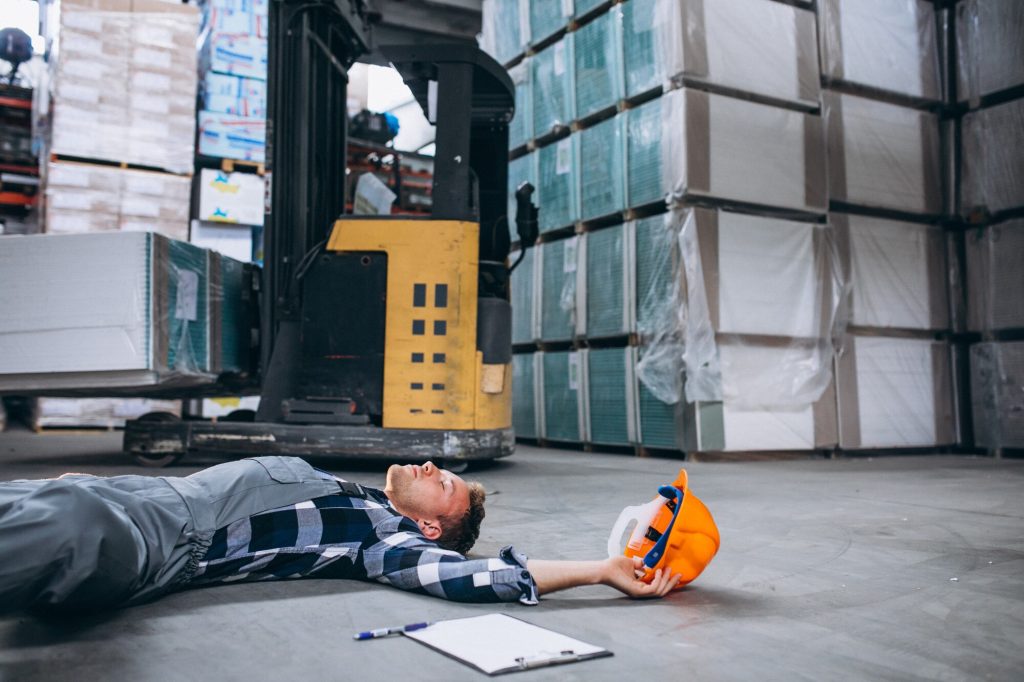
Forklift incidents don’t only injure workers. In reality, they also carry a cost. As outlined in the original article:
- A single forklift injury can cost up to $40,000 in direct medical and compensation expenses.
- Indirect costs, including downtime, productivity loss, staff replacement, and reduced morale, can exceed $150,000.
These financial burdens affect businesses of every size. Investing in proper forklift safety systems and training is far more cost-effective than dealing with the consequences of preventable incidents.
Safety Controls & Best Practices for Forklift Operation
Implementing strong safety procedures significantly reduces the risk of injury. Many of these practices already appear in your original article but are expanded here to incorporate Australia-specific guidance.
Always Wear the Proper Safety Equipment
PPE such as steel-cap boots, gloves, high-visibility clothing, and helmets is essential. In many Australian worksites, wearing hi-vis is mandatory when entering forklift operating zones.
Inspect the Forklift Before Use
Forklift pre-start cshecks help prevent mechanical failure. Operators should inspect tyres, brakes, horns, hydraulics, seatbelts, mast alignment, and all attachments.
Avoid Overloading
Lifting beyond the forklift’s rated capacity is one of the quickest ways to cause a tip-over or dropped load. Operators must follow the data plate and manufacturer’s guidance.
Stay Alert on Slippery Surfaces
Wet, oily, or uneven flooring greatly increases the chance of sliding, loss of control, or collisions. Slippery areas must be cleaned immediately or cordoned off.
Follow a Traffic Management Plan
SafeWork Australia requires workplaces to manage pedestrian and vehicle interaction through exclusion zones, signage, barriers, and designated walkways.
Follow the Manufacturer’s Instructions
Compliance with operating instructions and safety guidelines ensures safe driving practices, correct load handling, and proper maintenance.
Pre-Start Checks & Training Requirements in Australia
Forklift training requirements in Australia include:
- Completion of a recognised forklift training course
- Assessment by a certified assessor
- Application for a High Risk Work Licence (LF or LO)
Workplaces must also ensure operators are competent through refresher training, supervision, and regular performance checks.
Pre-start inspections should include:
- Tyre condition
- Brake functionality
- Hydraulics
- Controls
- Warning devices
- Mast operation
These checklists can be included in a workplace’s safety management system to meet compliance standards.
Technology & Engineering Controls to Enhance Safety
Modern engineering controls can significantly reduce forklift risks. Many Australian warehouses now use:
- Pedestrian detection systems
- Blue safety lights
- Collision avoidance sensors
- Bollards and barriers
- Speed-limiting systems
- Warning alarms
These systems support operators, improve visibility, and prevent pedestrian interaction.
Legal Implications & Consequences
Australian businesses have a legal duty of care under WHS laws. Failing to manage forklift risks can result in:
- Heavy fines
- Business shutdowns
- Licence suspension
- Criminal prosecution
- Industrial manslaughter charges in extreme cases
This reinforces the need for proper training, safety systems, and supervision.
How CPR First Aid Courses Support Workplace Safety
While forklift training prevents accidents, first aid training ensures workplaces can respond effectively when incidents occur. If a worker suffers crush injuries, fractures, bleeding, shock, or cardiac arrest, quick and knowledgeable first aid can save lives.
Businesses can strengthen their safety culture by enrolling staff in:
- First Aid Courses
- CPR Courses
- Childcare First Aid Courses (for facilities with visitor or public access)
These programs ensure workers are ready to respond to emergencies while meeting workplace safety requirements.
Conclusion
Forklifts are essential tools that make material handling efficient, but they also carry major risks that workplaces must carefully manage. By understanding common hazards, investing in proper training, following Australian licensing laws, inspecting equipment regularly, and supporting staff with first aid training, businesses can dramatically reduce incidents and protect their workers.
Strong forklift safety isn’t optional. It’s a commitment to keeping Australian workplaces safe, productive, and legally compliant.