

Flying at 30,000 feet raises an important question: Are there onboard doctors available in case of a medical emergency? While commercial airlines do not have emergency rooms or dedicated doctors on every flight, they are equipped with medical resources, trained crew, and access to ground-based support to manage in-flight emergencies.
Do Flights Have Doctors on Board?
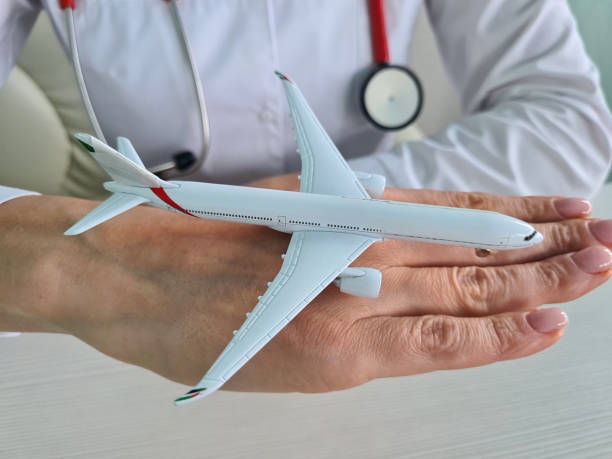
Crew Composition & Medical Personnel Policies
Airlines are not required to have doctors on board. Flight crew members are trained for safety and first aid, but they are not licensed physicians. Regulations instead focus on equipping planes with standardised medical kits and ensuring attendants can provide immediate care until further help is available.
Voluntary Medical Professionals on Flights
If a medical emergency occurs, flight attendants may request help from passengers who are doctors, nurses, or expert. A comprehensive analysis of Australian airline data that covers both domestic and international flights over 12 months, it was reported that approximately 3,555 medical events occurred from a total of 131,890 flight sectors (about 27 million passengers). This translates to:
- 1 in every 40 flights has some medical event (~2.7% of flights).
- 1 in every 150 flights experiences a medical emergency (about 0.67%)
What In-Flight Medical Resources Are Available
Standardised Medical Kits & Equipment
Every commercial aircraft must carry a first aid kit and an enhanced emergency medical kit stocked with supplies such as airway devices, IV equipment, and basic medications.
Defibrillators (AEDs) on Planes
Most modern airlines carry an Automated External Defibrillator (AED) for cardiac arrest emergencies. This life-saving device can restore normal heart rhythm and is a critical tool when immediate hospital care is out of reach.
Flight Attendant Medical & CPR Training
Flight attendants undergo first aid and CPR training so they can respond quickly in medical crises. For deeper skills, passengers themselves can enrol in certified training. Learn more in our CPR course and be prepared to save a life even mid-air.
Emergency Response Protocols Mid-Flight

Tele-Medical Support from Ground
Airlines maintain 24/7 links with ground-based medical professionals who guide the crew in treatment decisions, helping them stabilise the passenger until landing.
Diversion vs. On-Board Treatment
If the emergency is severe, the captain may divert the aircraft to the nearest airport for urgent medical care. Otherwise, treatment continues onboard with support from medical volunteers and equipment.
Reporting & Post-Flight Follow-Up
After landing, the crew are required to document the incident and hand over reports to ground medical teams and airline safety officers for review.
How Travellers Can Prepare & What to Do
Carrying Medical Documents & Prescriptions
Passengers with chronic conditions should carry a summary of their medical history, prescriptions, and emergency contacts. This allows rapid assistance if complications occur in the air.
Flight Insurance & Airline Notifications
Travel insurance that covers in-flight emergencies is recommended. Also, if you have specific needs (e.g., oxygen, mobility devices, allergies), notify the airline at least 48 hours before departure to ensure proper arrangements.
FAQs
Can I request a doctor on my flight?
You cannot request a doctor as part of a standard booking. However, in emergencies, flight attendants will ask if any qualified medical professionals are onboard who can assist.
How common are onboard medical emergencies?
Studies suggest one medical emergency occurs for every 604 flights worldwide. The most common cases include fainting, breathing difficulties, and chest pain. While rare, these incidents highlight the importance of preparation and training.