

Cold showers have become a wellness trend. They are praised for boosting energy, metabolism, and mental health. However, alongside the benefits comes a valid concern: can cold showers cause heart attacks? Understanding the physiological effects of cold exposure, especially the cold shock response, is key to knowing both the potential risks and safe practices.
What Happens to the Body in a Cold Shower
When you step under cold water, your body undergoes a sudden stress reaction known as the cold shock response. This triggers an immediate spike in heart rate, breathing rate, and blood pressure. Thanks to a process called thermoregulation, the body constricts blood vessels to preserve heat for vital organs.
This reaction is natural but can strain the cardiovascular system, especially for individuals with pre-existing conditions. Sudden cold exposure can:
- Increase blood pressure temporarily.
- Cause vasoconstriction, restricting blood flow.
- Lead to irregular heart rhythms in sensitive individuals.
Hydrotherapy research also shows positive effects of cold exposure, such as increased circulation and improved immunity. However, these benefits exist alongside cold shower health risks if practiced incorrectly.

Are Heart Attacks Linked to Cold Showers?
The link between cold showers and heart attacks is mostly a concern for at-risk populations. Sudden immersion in cold water can trigger arrhythmias or even myocardial infarctions (heart attacks) if the heart cannot handle the stress of cardiovascular cold exposure.
Medical case studies have noted that even healthy people can experience discomfort from a cold shower, but the danger is highest for those with heart problems. Factors include:
- Rapid rise in blood pressure during cold shock.
- Panic response causing hyperventilation and oxygen imbalance.
- Stress on the heart muscle when vessels constrict suddenly.
While the general population may find cold showers invigorating, people with cardiovascular vulnerabilities must exercise extra caution.
People at Higher Risk
Not everyone reacts to cold showers the same way. Certain groups face higher cold shower health risks, including:
- Older adults – Age increases the likelihood of hidden heart conditions.
- Individuals with heart disease – Blocked arteries or weakened heart muscle raise risks.
- People on medications – Drugs like beta blockers or diuretics alter heart response and blood pressure regulation.
For these groups, even mild cold exposure can be enough to create cardiovascular stress. Consulting a doctor before attempting cold showers is strongly recommended.
Safe Ways to Take a Cold Shower
Cold showers don’t have to be dangerous. With the right approach, most people can enjoy the benefits while minimising risks. Here are safe practices:
- Start warm, finish cold – Begin with a regular shower, then lower the temperature gradually in the last 2–3 minutes.
- Control your breathing – Slow, steady breaths help manage the shock and reduce heart strain.
- Take baby steps – Begin with mildly cool water before moving toward colder temperatures over days or weeks.
- Monitor your body’s response – Stop immediately if you feel chest pain, dizziness, or extreme shortness of breath.
- Get medical clearance – If you have any doubt about your heart health, check with a GP before starting.
This progressive exposure helps the body adapt and reduces the risk of cardiovascular complications.
First Aid Tips If Someone Collapses in Cold Water
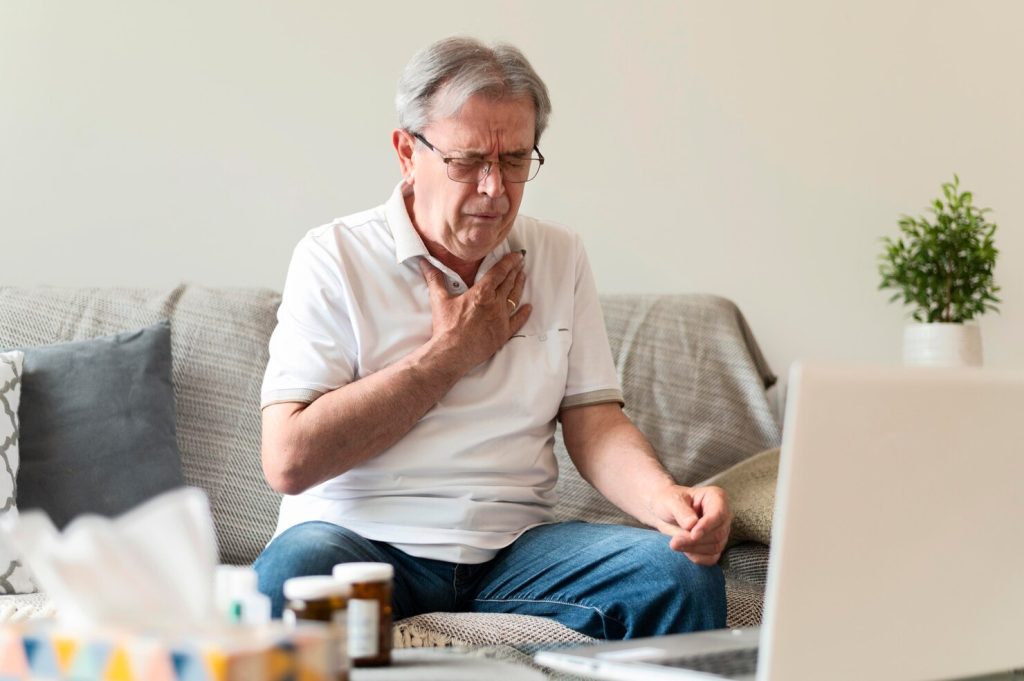
In rare cases, cold exposure may cause someone to collapse, faint, or even experience cardiac arrest. Knowing first aid and CPR can make the difference between life and death.

Warning Signs to Call 000 Immediately
- Sudden chest pain or tightness.
- Breathing difficulties or gasping.
- Loss of consciousness.
- Irregular or weak pulse.
What To Do Until Help Arrives
- Check responsiveness – Tap and call out to the person.
- Call 000 – Request emergency services immediately.
- Start CPR – If the person is unresponsive and not breathing normally, begin chest compressions (30 compressions, 2 breaths).
- Use an AED if available – Follow the device’s prompts.
- Protect from further cold exposure – Move the person to a warmer environment, cover with blankets if possible.
Learning these skills beforehand is crucial. You can prepare yourself by enrolling in the CPR course or First Aid course for practical training.
Cold Showers in Perspective
While cold showers offer benefits like better circulation, mental clarity, and improved immunity, they also present cold shower health risks for certain groups. They should be seen as supplementary, not a replacement for exercise, diet, or medical treatments.
For those considering incorporating cold showers into their routine:
- Seek medical advice if you’re unsure about your cardiovascular health.
- Approach cold exposure gradually.
- Learn life-saving skills to handle emergencies.
Conclusion
So, can cold showers cause heart attacks? The answer is yes – but mainly in people at higher risk due to cardiovascular cold exposure. For most healthy individuals, the practice can be safe and even beneficial if done with proper precautions. Cold showers should be embraced mindfully, with awareness of the body’s signals and readiness to respond in case of emergencies.
Learning CPR and first aid ensures you’re not only taking care of yourself but are also prepared to protect others if the unexpected happens.