
Glass lifting robots, also known as glazing robots, have proven to be a precious asset to the Australian construction and glazing industries, enhancing safety, efficiency, and cost-effectiveness. The sophisticated machines revolutionize handling, installing, and moving glass, especially in large glass panel projects and intricate installations. This article showcases the advantages, application, and key factors to consider for Australian companies planning to implement glass lifting robots.
Why Opt for Glass Lifting Robots in Australia’s Construction Industry?
The adoption of glass lifting robots on Australian building sites comes with many benefits, such as increased safety, efficiency, and savings. Here’s why these robots are increasingly a must-have in the glazing industry.
Increased Safety with Robot Handling of Glass
One of the main advantages of applying glass lifting robots is enhanced worker safety. It can be risky to deal with big glass panes manually, especially when working at heights or in dangerous environments. With robotic systems provided with dual-vacuum lifters, workers are able to steer clear of heavy lifting and high-risk operations, thereby minimizing the likelihood of severe injuries.
Vacuum Lift Safety Features
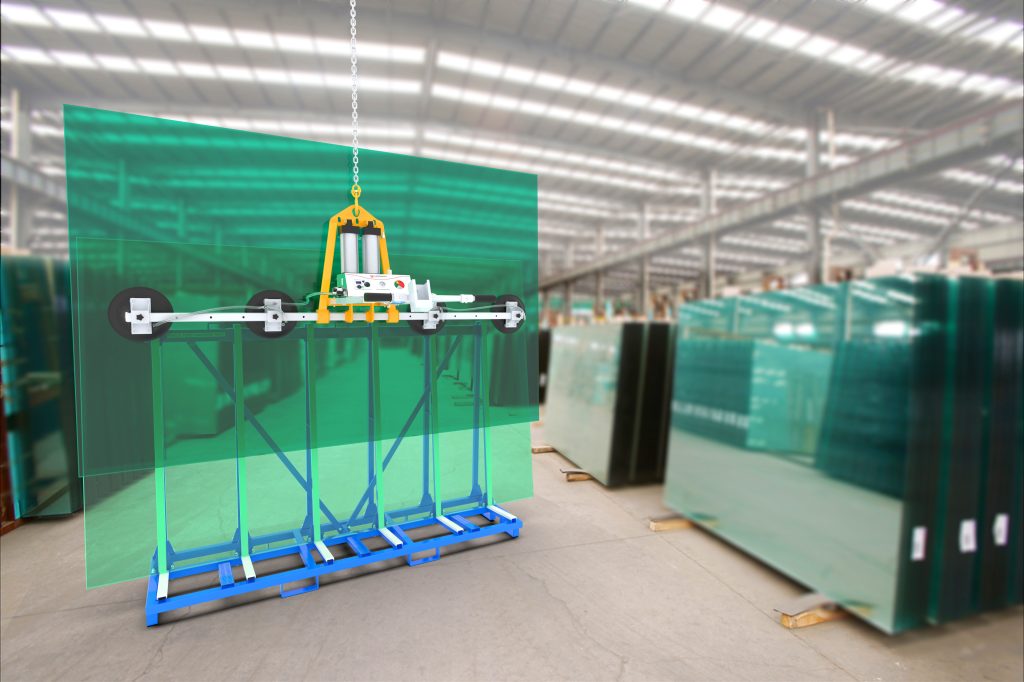
Robot glass lifters are equipped with sophisticated safety features like dual-vacuum systems and fail-safe alarms that ensure glass is safely held and any failure is detected instantly to avoid accidents.
Lowered Workplace Insurance Costs
Through the use of safety technology, accidents are less likely to occur, which may lower company insurance premiums. Several Australian companies have discovered that the investment in glass lifting robots translates into saving money in the long term, not just in insurance but even in minimizing work-related injuries and claims for compensation.
Increasing Efficiency and Accuracy in Installations
The accuracy and speed at which glass lifting robots perform are unparalleled. Robots are able to process several glass panes at a time within a fraction of the time it would take for human labor, greatly increasing installation efficiency and saving time to finish a project.
Fewer Reworks and Faster Installations
As robots are capable of handling and installing glass panes with great accuracy, the chances for errors are reduced. This reduces the number of reworks and ensures that installations are of high quality from the beginning.
Handling Large Glass Panels Safely
Glass lifting robots are most efficient in situations where large or heavy glass panes must be raised. These robots are capable of holding up to 280 kg to 1500 kg weight, which makes them quite versatile and capable of taking on projects of any magnitude.
Cost‑Effectiveness and Quick ROI
While the cost of the initial investment for glass lifting robots is high, the return on investment (ROI) is rapid because they help to cut down labour costs and waste.
Lower Labour and Waste Costs
Through minimizing manual handling, firms can cut down on the number of labourers needed to work on a project. The accuracy of robotic glass handling also reduces the likelihood of breakage, cutting down on waste and costs.
Insurance and Downtime Savings
Robots are made to work with precision without needing to be stopped for prolonged breaks. This greatly minimizes downtime, and the minimal breakage rate of less than 1% makes sure projects remain on course, minimizing costs even further.
Versatility Across Job Sites and Projects
One other key benefit of glass lifting robots is that they are highly versatile. Depending on whether the work is residential, commercial, or industrial glass installation, robots can be programmed to accommodate various forms of glass and terrain.
Adjusting to Australian Worksites
Australian worksites can vary greatly, with some locations requiring specialized equipment to navigate rough or uneven terrain. Glass lifting robots are adaptable and can handle these diverse environments, providing the flexibility needed for various construction projects.
Use Cases & Considerations for Australian Firms
When deciding whether to adopt glass lifting robots for construction projects, Australian firms should consider factors such as local compliance, site conditions, and equipment rental options.
Australian Compliance and Regulations
Australia has very stringent workplace safety regulations, especially on the use of heavy equipment and machinery. Any organization thinking of acquiring glass lifting robots needs to ensure that their equipment is Australian-compliant and that operators are properly trained to meet corresponding regulations.
Site Conditions
Some worksite conditions, like confined spaces, high-rises, or rough terrain, can influence the robotic lifter in use. It is wise to evaluate such conditions prior to the purchase or lease of equipment in order to select the appropriate robot for the application.
Equipment Rental Options
For businesses that do not necessarily require robots for all their projects, renting equipment might be a more affordable option. Some Australian businesses have glass lifting robots available for rental, which are cost-effective and save on initial capital investment.
Selecting the Appropriate Glass Lifting Robot
Choosing the right glass lifting robot for a building job is based on various considerations, such as the robotic capacity for lifting the glass, whether the device is for indoor or outdoor applications, and the particular requirements of the work.
Capacity & Size
Glass lifting robots are available in different models with a lifting capacity of 280 kg to 1500 kg. The lifting capacity of the robot must be selected depending on the dimensions and weights of the glass panels to be processed.
Indoor vs Outdoor Units
Some of the robots are specifically made for use indoors, while others are made for withstanding the weather and are more appropriate for outdoor installations. Make sure the chosen robot is appropriate for the kind of environment it will be operating in.
Future Steps towards Procurement and Training
When preparing to buy glass lifting robots, businesses must also look into training needs to make sure operators are all equipped to utilize the equipment safely and effectively.
Safety Induction and Training
Adequate training is necessary to make sure that the employees can safely operate glass lifting robots. All operators must also be given CPR First Aid training to be able to respond effectively and swiftly in case of any injuries in the workplace, either due to handling glass or any other reasons.