
If you have ever searched for anti-inflammatory relief, you were probably looking for a fast way to ease pain, swelling, stiffness, or fever. In Australia, this usually means a group of medicines called non-steroidal anti-inflammatory drugs, or NSAIDs. These medicines are commonly used for headaches, toothache, period pain, muscle strains, sprains, arthritis, and other short-term painful conditions because they can reduce both pain and inflammation.
Anti-inflammatory medicines can be helpful, but they are not risk-free. They may cause stomach upset, dizziness, fluid retention, raised blood pressure, stomach bleeding, kidney problems, and other complications in some people. They also do not fix the underlying cause of an injury or illness, which is why medicine should be seen as one part of symptom management rather than the entire answer.
At CPR First Aid, the goal is not just to relieve symptoms but to help people respond properly when someone is hurt or unwell. That is why it is worth understanding when anti-inflammatory tablets may be useful, when other pain-relief options may be better, and when proper first aid or urgent medical assessment matters more than reaching for a packet of tablets. If you want to build practical emergency response skills, CPR First Aid offers nationally recognised CPR and First Aid courses and the HLTAID011 Provide First Aid course.
What Does Anti-Inflammatory Mean?
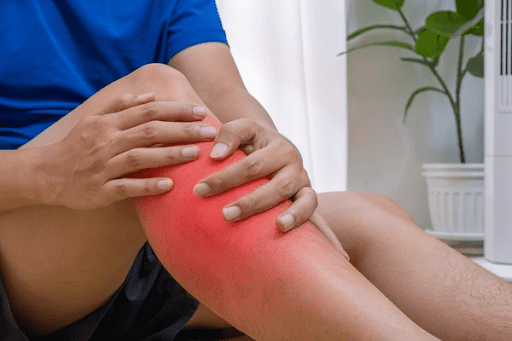
The term anti-inflammatory refers to something that reduces inflammation in the body. Inflammation is part of the body’s natural response to injury, infection, or irritation. It can show up as swelling, redness, warmth, pain, and reduced movement. In medicine, the phrase most often points to NSAIDs, which are medicines used to reduce pain, inflammation, and fever.
Healthdirect explains that NSAIDs help reduce pain and inflammation by stopping injured cells from making prostaglandins, which are chemicals involved in swelling and inflammatory pain. This is why NSAIDs are often chosen when pain comes with visible swelling or tissue irritation, such as a sprain, strain, or some types of arthritis flare.
It is also important to understand that anti-inflammatory medicines treat symptoms. They may make you feel better, but they do not always solve the cause of the problem. A person with a serious injury, infection, stomach condition, allergic reaction, or internal bleeding may temporarily feel less pain after taking medicine while the underlying problem continues.
What Medicines Are Classed as Anti-Inflammatory?
Common anti-inflammatory medicines in Australia include ibuprofen, diclofenac, aspirin, naproxen, and some prescription COX-2 inhibitors such as celecoxib and meloxicam. Low-dose NSAIDs can often be bought over the counter, while stronger or more specific versions may require a prescription. They come in different forms, including tablets, capsules, creams, gels, sprays, suppositories, and injections.
This matters because many people think only of anti-inflammatory tablets, but anti-inflammatory relief can also come from topical products such as gels or creams used on sore muscles or joints. For localised pain and inflammation, Healthdirect notes that topical treatment may be an alternative to oral tablets in some situations.
You may also see people use the phrase “anti inflammatories” more broadly to include diets, foods, or lifestyle habits aimed at lowering ongoing inflammation. That broader meaning is valid in general conversation, but when you are looking at pain relief in a pharmacy or first aid setting, the discussion is usually about NSAIDs.
When Are Anti-Inflammatory Medicines Used?
NSAIDs are commonly used to relieve pain, reduce swelling, lower fever, and help manage inflammatory conditions. Healthdirect lists uses such as headache, toothache, period cramps, muscle strains, sprains, arthritis, and some autoimmune conditions. In practical terms, that means they are often considered when the pain is linked with inflammation rather than pain alone.
For example, anti-inflammatory tablets may help with a swollen ankle after a mild sprain, soreness after overuse, or pain linked to an inflamed joint. CPR First Aid’s own guidance on swelling and soft tissue injuries also notes that medicines such as ibuprofen may assist with pain and inflammation, although they should be used according to the label and with professional advice when needed.
That said, medicine is not the first aid response itself. If someone has a sprain, strain, or other soft tissue injury, the immediate priority is correct first aid. CPR First Aid advises measures such as resting the injury, using an ice pack wrapped in a cloth for limited periods, applying appropriate compression, and watching for serious symptoms that need medical care. You can read more in How to Reduce Swelling After Injury, Skeletal and Soft Tissue Injuries, and How to Deal With a Sprained Ankle.
Anti-Inflammatory Medicines vs Other Pain Relief Medicines
Not all pain-relief medicines reduce inflammation. Healthdirect explains that pain-relief medicines are used either to treat the underlying cause of pain or to block pain signals, and that different medicines suit different situations. Over-the-counter pain medicines commonly include paracetamol and some NSAIDs, but they are not interchangeable in every case.
Paracetamol is widely used for mild to moderate pain and fever, but it is not usually the best option when inflammation is the main issue. CPR First Aid’s own guide comparing paracetamol and ibuprofen explains that paracetamol is useful for headaches, toothaches, general aches, and fever, while ibuprofen is often a better choice when swelling or tissue inflammation is involved, such as sports injuries or arthritis-related pain. Paracetamol vs Ibuprofen: Choosing the Right Pain Reliever gives a good plain-English breakdown.
This is one reason self-diagnosis can be tricky. A person may assume all pain should be treated with anti-inflammatory tablets, but sometimes the more appropriate option is paracetamol, local care, rest, medical assessment, or a different prescribed treatment altogether. Healthdirect also notes that doctors may prescribe other medicines for chronic conditions that work differently from NSAIDs.
Who Should Be Careful With Anti-Inflammatory Medicines?
Anti-inflammatory medicines are not suitable for everyone. Healthdirect advises that NSAIDs should generally be avoided by people who are allergic or hypersensitive to them, pregnant or planning pregnancy, or living with certain kidney, liver, ulcer, or bleeding problems. It also warns that aspirin should not be given to children under 12 unless a doctor advises it, because of the risk of Reye’s syndrome.
People with asthma also need to be cautious. NSAIDs, including aspirin, may trigger asthma symptoms in some individuals. CPR First Aid’s article on ibuprofen and asthma likewise notes that ibuprofen can be risky for some people with asthma or aspirin-sensitive respiratory conditions. Can Ibuprofen Trigger Asthma Attacks? is a useful related read.
The risk of side effects is also higher in older adults, people who are dehydrated, and people who already have medical conditions such as stomach ulcers, high blood pressure, heart problems, diabetes, kidney disease, or liver disease. Better Health Channel also notes that risks rise with age, higher doses, alcohol use, and using NSAIDs for more than a few days at a time.
Another major issue is drug interactions. Healthdirect lists blood thinners, some heart and blood pressure medicines, methotrexate, and alendronate among the medicines that can raise the risk of problems when taken with NSAIDs. This is why a pharmacist or GP is the right person to ask if you already take other medicines.

Common Side Effects and Risks of Anti-Inflammatory Tablets
Like any medicine, anti-inflammatory tablets can cause side effects. Healthdirect lists common effects such as nausea, heartburn, indigestion, dizziness, drowsiness, ringing in the ears, dehydration, fluid retention, and high blood pressure. Better Health Channel also includes stomach upset, stomach pain, diarrhoea, dizziness, headache, salt and fluid retention, and raised blood pressure.
More serious problems are less common but important. Healthdirect warns about stomach bleeding and kidney problems, while Better Health Channel notes that NSAIDs can contribute to ulcers and gastrointestinal bleeding. Healthdirect also states that NSAIDs have been linked to a small increase in the chance of stroke or heart attack in some people.
These risks become more important with long-term use, higher doses, or taking more than one NSAID at the same time. Cleveland Clinic specifically warns against combining prescription NSAIDs with over-the-counter NSAIDs, taking multiple over-the-counter NSAIDs together, or exceeding the recommended dose, because doing so increases side-effect risk.
How to Use Anti-Inflammatory Medicines More Safely
A good rule is to use NSAIDs for the shortest time and at the lowest dose that helps, while staying within the directions from the label or the advice from your pharmacist or doctor. Healthdirect says the chance of harm can be reduced when NSAIDs are used only occasionally, for a limited time, and at the lowest effective dose.
Taking NSAIDs with food may reduce stomach upset. Healthdirect and Cleveland Clinic both note that taking them with food can help reduce gastrointestinal symptoms, although it does not remove all risks.
You also need to read labels carefully. Healthdirect specifically warns about accidental overdose when someone takes one NSAID for a headache and another NSAID in a cold or flu medicine. That is an easy mistake, especially when symptoms overlap.
For over-the-counter products, Healthdirect advises following the directions closely, not exceeding the recommended dose, and not continuing them beyond the recommended period. It also advises that children should not be given NSAIDs for more than two days without seeing a doctor.
Anti-Inflammatory Medicine Is Not a Replacement for First Aid
One of the biggest mistakes after an injury is using tablets to dull the pain without responding properly to the injury itself. A swollen ankle, sore wrist, or painful shoulder may seem minor, but if there is significant swelling, deformity, numbness, severe pain, or inability to use the limb properly, the problem may need professional assessment rather than home treatment alone. CPR First Aid’s guidance on sprains and soft tissue injuries highlights these warning signs.
For burns, anti-inflammatory tablets are not the first step. CPR First Aid advises cooling a burn under cool running water for at least 20 minutes, avoiding ice, removing constricting items before swelling develops, and using a sterile non-stick dressing. You can read the full process in First Aid for Burns.
This is where first aid training becomes valuable. A well-trained first aider knows when swelling can be managed with basic care and observation, when pain relief may be reasonable, and when symptoms point to a fracture, dislocation, allergic reaction, asthma emergency, or other urgent problem. CPR First Aid’s HLTAID011 Provide First Aid course covers practical response skills for common emergencies, while the broader CPR and First Aid courses page shows training options across Australia.
Are There Natural Anti-Inflammatory Options?
Yes, but they are not a direct substitute for urgent treatment when someone is injured or unwell. Harvard Health notes that an anti-inflammatory eating pattern often includes tomatoes, olive oil, leafy green vegetables, nuts, fatty fish, berries, oranges, whole grains, and other minimally processed foods. It also recommends limiting refined carbohydrates, fried foods, sugary drinks, processed meat, and similar foods linked with poorer long-term health outcomes.
In day-to-day life, this means inflammation management is not only about tablets. For some people, better sleep, sensible exercise, weight management, hydration, and a balanced diet may support overall health and reduce the need to rely heavily on pain medicines for chronic discomfort. CPR First Aid’s existing article The Pros and Cons of Anti Inflammatory Tablets also points readers toward lifestyle approaches alongside medicine-based relief.
Still, it is important to keep expectations realistic. Natural strategies are part of broader wellbeing and may help over time, but they are not a substitute for urgent assessment of serious pain, swelling, breathing issues, bleeding, or suspected fractures.

When Should You Get Medical Help?
You should seek medical advice if you are unsure which medicine is appropriate, if your symptoms are not improving, or if you have health conditions or other medicines that could make NSAIDs risky. Healthdirect recommends speaking with a pharmacist or doctor about the benefits and risks, especially if you are buying over-the-counter products or taking other medicines.
Stop taking NSAIDs and get medical attention if you notice signs of stomach bleeding such as abdominal pain, black or very dark stools, or vomit that looks like coffee grounds. Those are not routine side effects and should not be ignored.
Urgent medical attention is also important if someone has severe swelling, trouble breathing, chest pain, fainting, facial swelling, worsening asthma symptoms, or signs of a serious allergic reaction after taking medicine. Those symptoms move beyond ordinary pain relief questions and into emergency care territory.
Frequently Asked Questions
What Is the Best Anti-Inflammatory Medicine?
There is no single best option for everyone. Common NSAIDs include ibuprofen, diclofenac, aspirin, naproxen, celecoxib, and meloxicam, but the right choice depends on the person’s symptoms, health history, other medicines, and risk factors. CPR First Aid’s related article What is the Best Anti-Inflammatory Medication? explains this in more detail.
Is Paracetamol an Anti-Inflammatory?
No. Paracetamol is a pain-relief and fever-reducing medicine, but it does not significantly reduce inflammation in tissues in the way NSAIDs do. It may still be useful when inflammation is not the main issue or when NSAIDs are unsuitable.
Can You Take Anti-Inflammatory Tablets Every Day?
Daily use should not be treated casually. Risks increase with longer use, higher doses, older age, dehydration, stomach problems, kidney issues, and certain other medicines. Regular or long-term use should be discussed with a doctor or pharmacist.
Are Anti-Inflammatory Tablets Good for Swelling?
They can help reduce pain and inflammation in some injuries and conditions, but they are only part of the response. Swelling after injury still needs proper first aid, monitoring, and medical review when symptoms are severe or not improving. CPR First Aid’s How to Reduce Swelling After Injury is a strong companion resource.
Can Children Take Anti-Inflammatory Medicine?
Some NSAIDs are used in children, but dosing and suitability depend on the child’s age, weight, product instructions, and clinical situation. Healthdirect specifically states that aspirin should not be given to children under 12 unless advised by a doctor, and that children should not be given NSAIDs for more than two days without medical review.
Final Word
Anti inflammatory medicines can be useful for short-term relief from pain, swelling, stiffness, and fever, especially when inflammation is part of the problem. Common examples include ibuprofen, diclofenac, aspirin, naproxen, celecoxib, and meloxicam. But these medicines also carry real risks, especially for people with ulcers, kidney problems, pregnancy concerns, asthma sensitivity, older age, or interacting medicines.
The safest approach is to match the medicine to the situation, use it carefully, and not let symptom relief replace proper first aid or medical assessment. For more practical guidance, explore CPR First Aid’s related articles on The Pros and Cons of Anti Inflammatory Tablets, Paracetamol vs Ibuprofen: Choosing the Right Pain Reliever, and Skeletal and Soft Tissue Injuries.