

If you have been searching what is a code of practice COP for first aid, the simplest answer is this: it is the practical workplace guide that helps a business meet its first aid duties under work health and safety law. It is not just about buying a kit or sending one staff member to a course. A proper first aid in the workplace code of practice covers the full system a workplace needs: risk assessment, first aid kits, first aid procedures, facilities, trained first aiders, worker information, and regular review. Safe Work Australia publishes the national model code, and in Queensland the approved document is the First aid in the workplace Code of Practice 2021.
For employers, managers, WHS coordinators, school administrators, childcare services, tradies, warehouses, community organisations, and office teams, this matters because first aid requirements are not identical across all workplaces. The code says your first aid arrangements must be based on the nature of the work, the hazards present, the size and location of the workplace, and the number and composition of workers and other people on site. That is why a small office, a construction site, a warehouse, and a childcare service will not all need the same setup.
At CPR First Aid, the practical takeaway is straightforward: if your workplace needs staff trained, compliant, and ready to respond, you can book workplace first aid training, HLTAID011 Provide First Aid, or HLTAID009 Provide CPR through a provider that already delivers workplace-focused training across Australia. CPR First Aid’s workplace training page states that sessions can be customised to suit industry needs, while its HLTAID011 and HLTAID009 pages confirm nationally accredited training and workplace availability.

Quick Answers for Employers and Workplace Bookings
What Is a Code of Practice for First Aid?
It is a practical guide that explains how to meet workplace first aid duties under WHS law. In Queensland, the approved code is admissible in court proceedings, and duty holders must either comply with it or use another method that achieves an equivalent or higher standard of health and safety.
What Does the Code of Practice for First Aid Contain?
It contains guidance on first aid kits, procedures, facilities, and training for first aiders, plus a risk-based method for deciding what your workplace actually needs.
Does Every Workplace Need the Same First Aid Setup?
No. The code says first aid requirements vary based on hazards, work type, size and location, and the number and composition of workers and others at the workplace.
What Is the First Aid Code of Practice in QLD?
In Queensland, the approved document is the First aid in the workplace Code of Practice 2021, listed by WorkSafe Queensland.
How Does the ARC Fit In?
The Australian Resuscitation Council publishes guidelines, guideline indexes, and flowcharts used to support resuscitation practice. The workplace code is broader: it covers the whole workplace first aid system, not just CPR technique.
What Is a Code of Practice COP for First Aid?
A code of practice for first aid is not the same thing as a general article, internal policy, or checklist downloaded from the internet. It is a formal guidance document connected to WHS duties. Safe Work Australia’s model code explains how to provide first aid in the workplace and includes information on kits, procedures, facilities, and first aid training. In Queensland, the approved code goes a step further in legal effect: the foreword states that duty holders must comply with an approved code of practice or follow another method that provides an equivalent or higher standard of work health and safety.
That distinction matters. Many businesses assume compliance means “we have a first aid box in the lunchroom”. The code makes it clear that workplace first aid is a system. It includes what equipment is available, who is trained, how workers access assistance, what happens across shifts and remote work, what emergency procedures say, and how you review the system after incidents or changes to work.
Another important point is that a code of practice sits alongside, not above, the WHS Act and Regulations. The Queensland code itself says it is a practical guide to achieving the standards required under the Act and Regulation. It also states that courts may regard a code as evidence of what is known about a hazard, risk, or control, and inspectors may refer to it when issuing notices.
Who Has Duties Under the First Aid in the Workplace Code of Practice?
The code is written for duty holders, especially the person conducting a business or undertaking (PCBU). In practical terms, that means employers and organisations that control work. The Queensland code says duty holders with a role in first aid include PCBUs, designers, manufacturers, importers, suppliers, installers, officers, workers, and other persons at the workplace. It also says a PCBU must ensure first aid equipment is provided, workers can access it, facilities for administering first aid are available, and an adequate number of workers are trained to administer first aid or workers have access to other trained people.
Workers also have duties. The model code states that workers must take reasonable care of their own health and safety, avoid adversely affecting others, and comply with reasonable instructions and procedures, including procedures for first aid and reporting injuries and illnesses. That matters because workplace first aid is not only a management issue; workers need to know how to report an incident, where equipment is kept, and who the first aiders are.
The code also places real weight on consultation. PCBUs must consult workers, so far as is reasonably practicable, on health and safety matters that affect them. In first aid terms, that includes discussions about hazards, facilities, procedures, and the number of first aiders required. This is one reason a copied “template” first aid arrangement often falls short: it may not reflect the way that workplace actually operates.
What the Code of Practice for First Aid Contains
When people ask what the code of practice for first aid contains, the most accurate summary is: it tells you how to assess workplace needs and then build the right response around that need. The Queensland contents page and the Safe Work Australia model code both show the same broad structure: introduction and duties, how to determine first aid requirements, first aid equipment, facilities and training, first aid procedures, information for workers, and review processes.
1. A Risk-Based Assessment of Workplace Need
The code does not start with “buy this exact kit”. It starts with workplace risk. It says you need to consider the nature of the work and hazards, workplace size and location, the number and composition of workers, and whether other people such as clients, visitors, students, or members of the public are regularly present. The Queensland code specifically notes that workforce size can include contractors, subcontractors, and volunteers, and that other people at the workplace may also need access to first aid.
2. First Aid Kits and Other Equipment
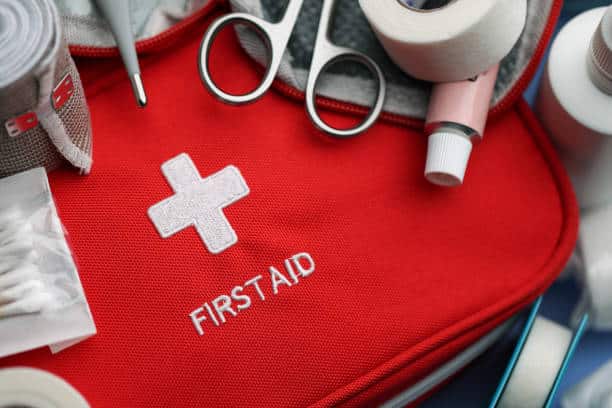
The code says all workers must be able to access a first aid kit, which means at least one kit must be provided. Kits should be kept in prominent, accessible locations and close to higher-risk areas. In multistorey workplaces, the code says at least one kit should be located on every second floor. For mobile workers, portable first aid kits should be available in vehicles. The code also recommends checking kits regularly, keeping stock in date, and ensuring sterile products remain sealed.
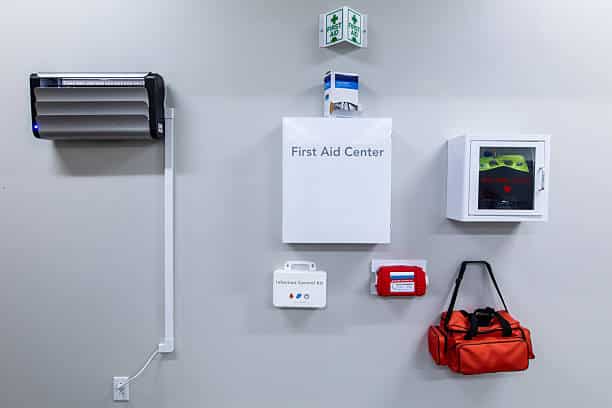
The code also covers additional equipment. It says you should consider other first aid equipment where hazards justify it. One example is an AED. The Queensland code states that providing an AED can reduce the risk of fatality from cardiac arrest and that it should be considered where there is electrocution risk, delayed ambulance access, or similar circumstances. That is why first aid compliance is not only about bandages and dressings. In some workplaces, it includes defibrillation readiness too.
For more practical reading on kit setup and workplace supplies, CPR First Aid already has related resources on The Importance of First Aid Kits, Essential First Aid Kit Items for Home & Emergency, and First Aid Charts and Resources. Those pages complement the code by helping workplaces turn legal guidance into usable day-to-day readiness.
3. First Aid Facilities and First Aid Rooms
The code does not require every workplace to have a first aid room, but it does say one should be established if risk assessment shows first aid would be difficult to administer without it. In Queensland, a first aid room is recommended for low-risk workplaces with 200 workers or more, and high-risk workplaces with 100 workers or more. The code also lists what a first aid room should include, such as a suitable kit, hand cleanser, examination couch, sharps container, emergency call access, and contact details for first aiders and emergency organisations.
This is an area many businesses miss. If your operation has large staff numbers, high-risk work, remote access issues, or complex injury risks, a basic wall-mounted kit may not be enough. A proper risk-based review may show you need a dedicated room, upgraded supplies, or stronger coordination with emergency services.
4. Trained First Aiders and Refresher Cycles
The code is clear that first aiders should hold nationally recognised Statements of Attainment issued by an RTO for the nationally endorsed unit Provide First Aid, or a course with equivalent skills. It also states that CPR refresher training should be carried out annually and first aid qualifications should be renewed every three years. Recommended first aider ratios are one first aider per 50 workers in low-risk workplaces, one per 25 workers in high-risk workplaces, and one per 10 workers in remote high-risk workplaces.
This is where training should line up with actual workplace needs. CPR First Aid offers HLTAID011 Provide First Aid and HLTAID009 Provide CPR, and its workplace training page says sessions can be tailored to industry needs. For teams that need onsite delivery, role-specific scenarios, or private bookings, First Aid Training for the Workplace is the most direct pathway.
5. First Aid Procedures, Emergency Planning, Records, and Review
The code says businesses should develop and implement first aid procedures so workers have a clear understanding of first aid in their workplace. Procedures should cover which first aiders are allocated to which work areas and shifts, where kits and facilities are located, who is responsible for checking and maintaining them, and how first aid incidents are handled. The code also says records of first aid treatment should be kept and reported to managers regularly to help review first aid arrangements.
Just as importantly, first aid procedures should connect with emergency planning. The Queensland code states that workplaces must have an emergency plan that includes effective response arrangements, evacuation procedures, notifying emergency services, medical treatment and assistance, and communication during emergencies. First aid information should also be provided to workers in an accessible format, including where equipment is, who the first aiders are, and what procedures to follow.
First Aid Code of Practice QLD: What Employers Need to Know
For the keyword first aid code of practice QLD, the key point is that Queensland has its own approved code: First aid in the workplace Code of Practice 2021. WorkSafe Queensland lists it on its codes of practice page, and the code’s foreword says it commenced under the WHS Act framework as an approved code of practice.
In practical terms, Queensland employers should not treat the Safe Work Australia model code as the only document that matters. The model code is the national template and a valuable reference, but in Queensland the approved code is the one that carries specific legal effect in that jurisdiction. That is why QLD businesses, schools, clinics, warehouses, construction teams, and community organisations should build workplace first aid arrangements against the Queensland code and then make sure their training, equipment, and procedures actually match their risk profile.
If your business operates in Queensland and needs practical support, pairing the code with real training is the sensible next step. CPR First Aid’s workplace training page explains that training can be delivered onsite and adapted for industry-specific needs, while its broader site emphasises workplace-compliant training for staff.
ARC Guidelines and First Aid Code of Practice: What Is the Difference?
A common search is arc guidelines and first aid code of practice, and the two are related but not identical. The Australian Resuscitation Council publishes the ARC Guidelines, guideline indexes, and flowcharts. These support resuscitation practice and clinical-style response guidance. The workplace code, by contrast, is about the broader WHS system required at work: risk assessment, equipment access, facilities, trained personnel, procedures, information, and review.
The easiest way to think about it is this: ARC guidance helps inform how CPR and resuscitation responses should be performed, while the workplace code helps an employer decide what first aid arrangements must be in place at work and how those arrangements should be managed. In practice, a compliant workplace will usually need both perspectives: sound workplace systems under the code, and current practical first aid skills delivered in line with recognised first aid and resuscitation training standards.
That is also why refreshers matter. The code recommends annual CPR refreshers and three-year first aid renewal, while training providers like CPR First Aid offer both Provide CPR and Provide First Aid options that workplaces can build into their compliance calendar.
What First Aid the Code Says You Must Provide for a Workplace
If you are trying to work out what the first aid code of practice provides for a workplace actually means in real business terms, start with four questions.
What Can Hurt People Here?
The code expects you to assess the work, the hazards, and who may be affected. Offices may focus on slips, trips, burns, cuts, and sudden illness. Warehouses may need stronger coverage for manual handling injuries, crush injuries, and delayed emergency access. Childcare and education settings need to consider children and the presence of asthma, anaphylaxis, and other medical conditions.
Who Needs Access to First Aid?
It is not always just employees. Contractors, volunteers, clients, students, and members of the public may all affect the first aid arrangement. The Queensland code specifically highlights that other people at the workplace may need to be considered.
What Resources Are Needed?
That may mean a basic first aid kit, extra modules for specific hazards, an AED, portable vehicle kits, first aid signs, a first aid room, or more trained first aiders. The answer depends on your risk assessment, not on a one-size-fits-all shopping list.
How Will It Work Day to Day?
Workers must know where first aid is, who the first aiders are, what the emergency procedures say, and how incidents and treatment are recorded and reviewed. This operational side is where many workplaces fall down, even when equipment is technically present.
Common Workplace Mistakes the Code Helps Prevent
One common mistake is assuming a certificate alone equals compliance. Training is essential, but the code also expects accessible equipment, facilities where needed, procedures, induction, worker information, and review. A first aider without a maintained kit, clear procedures, or shift coverage does not solve the whole problem.
Another mistake is failing to tailor arrangements to actual risk. The model code says first aid needs vary by hazard, workplace size and location, and worker numbers. A copied office checklist is not enough for a workshop, warehouse, farm, school, or mobile workforce.
A third mistake is letting training or review drift. The code recommends annual CPR refreshers, three-year first aid qualification renewal, and ongoing review whenever work changes, an incident occurs, or new hazards are identified. CPR First Aid’s related workplace content on Why First Aid Training is Important for Staff in the Workplace, Safe Work Practices, and Why Workplace Safety Matters reinforces the same practical message: good safety systems need regular maintenance, not one-off action.
Frequently Asked Questions
Is the First Aid Code of Practice Law?
A code of practice is not the same as the Act or Regulation, but it is a formal practical guide tied to legal duties. In Queensland, approved codes are admissible in court proceedings, and duty holders must comply with the approved code or use another method that achieves an equivalent or higher standard of WHS.
Do All Workplaces Need a Trained First Aider?
The code says PCBUs must ensure an adequate number of workers are trained to administer first aid, or that workers have access to an adequate number of other trained people. The exact number depends on risk, location, and worker numbers, with recommended ratios for low-risk, high-risk, and remote high-risk workplaces.
How Often Should Workplace First Aid Training be Refreshed?
The Queensland code recommends CPR refresher training annually and renewal of first aid qualifications every three years.
Does Every Workplace Need an AED?
Not every workplace, but the code says you should consider providing an AED where there is electrocution risk, delayed ambulance response, or other relevant risk factors.
When Is a First Aid Room Recommended?
In Queensland, a first aid room is recommended for low-risk workplaces with 200 workers or more and high-risk workplaces with 100 workers or more, or where risk assessment shows first aid would be difficult to administer without one.
Conclusion
So, what is a code of practice COP for first aid? It is the workplace rulebook for building a practical, risk-based first aid system that actually works. The first aid in the workplace code of practice is about much more than a box of supplies. It covers what equipment you need, what facilities may be required, how many first aiders should be trained, what information workers must receive, how first aid procedures link into emergency planning, and how the whole setup should be reviewed over time. In Queensland, the approved code is the First aid in the workplace Code of Practice 2021, and it should be the starting point for any QLD workplace reviewing first aid compliance.
If your organisation needs help turning the code into a workable training plan, CPR First Aid offers First Aid Training for the Workplace, HLTAID011 Provide First Aid, and HLTAID009 Provide CPR. For extra reading, see The Importance of First Aid Kits, Why First Aid Training is Important for Staff in the Workplace, Safe Work Practices, and First Aid Charts and Resources.