

Leg cramps can strike without warning during sleep, exercise, work, or even while sitting still. They are sudden, painful, involuntary muscle contractions that most often affect the calf, foot, or thigh. In many cases they settle quickly and are not dangerous, but repeated or severe cramps can point to dehydration, muscle fatigue, medication side effects, poor circulation, nerve issues, or an underlying medical condition that needs attention.
For Australians, the practical question is usually not just what caused it? It is also how do I stop cramp fast, how can I prevent it happening again, and when should I get help? This guide covers all three. It also links to CPR First Aid resources if you want to build your broader emergency response skills through HLTAID011 Provide First Aid, HLTAID009 Provide CPR, or practical workplace first aid training. CPR First Aid states that it delivers accredited courses across VIC, NSW, QLD, SA, WA and ACT, with same-day certificates for eligible classes.
Quick Answers
Leg cramps are usually caused by a mix of muscle fatigue, dehydration, electrolyte imbalance, prolonged sitting or standing, heavy exercise, heat, pregnancy, ageing, some medicines, or certain health conditions. Immediate relief often comes from stretching the cramped muscle, massaging it gently, getting up and walking, and applying heat or cold. Prevention usually means better hydration, sensible training loads, regular stretching, warm-ups, posture changes, and reviewing possible triggers such as medications or recurring heat exposure.
You should arrange medical advice if cramps are frequent, severe, last a long time, keep waking you at night, or happen alongside swelling, numbness, weakness, or skin colour changes. Urgent care is more important if the person also shows signs of severe heat illness such as confusion, collapse, or very high temperature, in which case first aid priorities change and you should call 000.
What Are Leg Cramps?
Leg cramps are sudden muscle spasms that make the muscle feel tight, knotted, hard, and painful. They commonly affect the calf, but they can also hit the foot, hamstrings, thighs, or smaller muscles around the toes. The cramp itself may last seconds or minutes, and soreness can linger after the muscle relaxes. Cleveland Clinic notes that many cases are harmless, though that does not mean they should be ignored when they become frequent or intense.
A simple way to think about cramps is that the muscle “locks up” unexpectedly. Sometimes there is no clear reason. Other times the trigger is easier to spot, such as a tough workout, dehydration on a hot day, a long shift on your feet, or sitting in one position for too long. That is why the best muscle cramps treatment is not one-size-fits-all. The right response depends on what triggered the cramp in the first place.
If you want a quick companion guide focused just on immediate self-care, CPR First Aid also has practical reads on how to stop a muscle cramp fast and how to treat muscle cramps in the legs.

Common Causes of Muscle Cramps in Legs
1. Dehydration
One of the most common reasons people cramp is dehydration. When you sweat heavily, your body loses fluid along with key minerals involved in muscle function. Mass General Brigham links cramping directly with dehydration from heavy sweating, and notes that sodium and potassium losses are part of the picture. Cleveland Clinic also lists dehydration among the common reasons muscles cramp.
This is especially relevant in Australia during hot weather, sport, outdoor work, or long days on construction sites, fields, warehouses, or job sites without regular cooling breaks. If cramps happen together with thirst, dry mouth, dark urine, dizziness, headache, or fatigue, dehydration becomes a much more likely culprit. For related reading, CPR First Aid has articles on signs and symptoms of dehydration and signs of severe dehydration.
2. Electrolyte Imbalance
Muscles depend on minerals such as sodium, potassium, calcium, and magnesium to contract and relax properly. Cleveland Clinic notes that electrolyte imbalance may contribute to cramps, and its muscle spasm guidance highlights calcium, potassium, magnesium, and vitamin D deficiencies as possible contributors in some cases.
That does not mean every cramp is caused by low magnesium or that supplements are always the answer. In real life, it is often more sensible to first look at the bigger picture: sweating losses, inadequate fluid intake, poor overall nutrition, or a sudden jump in exercise load. Mass General Brigham points out that potassium helps facilitate muscle contractions and highlights foods such as sweet potatoes, melon, cooked spinach, nuts, and beans as useful dietary sources.
3. Muscle Fatigue and Overuse
Hard training, repetitive movement, and sudden spikes in activity are classic triggers. Cleveland Clinic lists muscle fatigue and too much high-intensity exercise among the common causes of cramping. Mass General Brigham also recommends warming up properly and increasing workout intensity gradually to reduce the likelihood of cramps.
This matters for sport, gym sessions, long-distance walking, running, weekend football, and physically demanding jobs. When muscles are overworked, they are more likely to misfire and tighten painfully. That is also why cramps often show up late in exercise, after long shifts, or overnight after a heavy day. If your work involves repetitive lifting, awkward positions, or sustained muscle use, CPR First Aid’s HLTWHS005 Conduct Manual Tasks Safely and workplace first aid training can complement safer workplace practices.
4. Prolonged Sitting, Standing, or Poor Posture
Not all cramps come from intense exercise. Cleveland Clinic notes that sitting for long periods, standing or working on concrete floors, and poor posture during the day may all contribute to leg cramps, especially at night.
That helps explain why office workers, drivers, retail staff, teachers, hairdressers, nurses, warehouse staff, and hospitality workers can all experience cramps for very different reasons. Some are under-moving. Others are on their feet all day. In both cases, the muscles may be held in tiring positions for too long. Breaking up long sitting periods, changing position regularly, and addressing footwear or workstation setup can make a real difference.
5. Heat Exposure
Heat and cramps are closely linked. CPR First Aid’s environmental illness guidance notes that heat cramps can affect the legs, arms, back, or abdomen and that dehydration or excessive exercise can worsen the problem. Its heat exhaustion and heatstroke article also explains that heat exhaustion develops when the body loses too much salt and water through sweat.
If leg cramps appear during sport, hiking, outdoor work, or summer activity, think beyond the muscle itself. Ask whether the person is also overheating, sweating heavily, feeling faint, nauseated, or developing a headache. Those clues matter because treatment may need to include cooling and fluid replacement, not just stretching. CPR First Aid has useful related reading on environmental illnesses and symptoms of heat exhaustion and heatstroke.
6. Pregnancy, Ageing, and Individual Risk Factors
Leg cramps are more common as people get older, partly because tendons naturally shorten with age. Cleveland Clinic also notes that pregnancy is associated with a higher rate of leg cramps, likely due to extra strain on muscles and circulation changes.
This does not mean cramps in pregnancy or older age should be dismissed. It means those groups may need more attention to hydration, gentle stretching, footwear, circulation, comfortable sleep positions, and medical review when cramps become persistent. Frequent cramping in pregnancy or later life is still worth raising with a clinician, especially if swelling, weakness, or other symptoms are present.
7. Medicines and Medical Conditions
Sometimes the cramp is the symptom, not the core problem. Cleveland Clinic lists several medicines that may cause leg cramps as a side effect, including some diuretics, statins, antidepressants, and other prescription medicines. It also notes that cramps can be associated with conditions such as diabetes, kidney failure, peripheral artery disease, neuropathy, and low potassium.
That is why repeated cramps deserve context. Look at the pattern. Are they new? Getting worse? Happening with numbness, weakness, skin changes, or exercise intolerance? Are they starting after a medication change? If yes, a medical review is more important than trial-and-error home remedies. Mayo Clinic specifically advises seeing a healthcare provider if cramps are severe, frequent, or not improving with self-care.
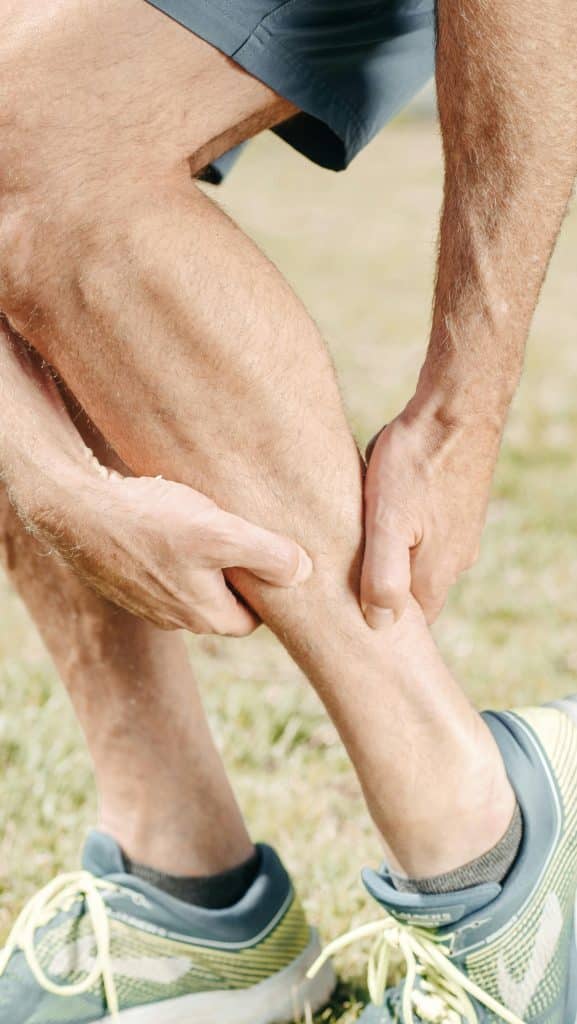
How to Get Rid of Cramps Fast
When a cramp hits, the first priority is to relax the muscle safely and reduce the pain. Mayo Clinic recommends stretching and massaging the cramped muscle. For a calf cramp, that means straightening the leg and pulling the top of the foot toward your face. It also notes that heat or cold may help, such as a warm towel, heating pad, warm bath, or rubbing the sore muscle with ice.
Cleveland Clinic gives similar advice and adds a few practical steps: stand up, press the foot into the floor, walk gently, apply heat or cold, and rest with the leg elevated once the cramp settles. These steps are simple, but they are often the fastest way to stop cramping without making the muscle angrier.
A practical sequence looks like this:
- Stop what you are doing and avoid pushing through the pain.
- Stretch the cramped muscle slowly and steadily. For a calf, pull toes toward the shin. For the front thigh, gently bring the heel toward the buttock if safe.
- Massage the area with light pressure to help the muscle release.
- Stand or walk carefully if that eases the spasm.
- Use heat or cold depending on what feels better. Heat often helps tight, overworked muscles, while cold may reduce lingering soreness.
- Rehydrate, especially if the cramp followed sweating, exercise, or heat exposure.
If the cramp followed strenuous activity in the heat, move to a cool environment, loosen excess clothing, and begin cooling measures while sipping fluids if the person is fully alert. If symptoms escalate toward heatstroke, such as confusion, collapse, or altered consciousness, call 000 immediately.
Muscle Cramps Treatment: What Actually Helps Long Term?
The most effective muscle cramps treatment is usually not a pill. It is identifying the trigger and correcting it. Mayo Clinic says self-care measures usually treat muscle cramps and that drinking plenty of fluids can help prevent them. It also notes that a healthcare provider can show stretching exercises to reduce the chance of future cramps.
For many people, long-term improvement comes from a small group of habits repeated consistently: better hydration, appropriate electrolyte replacement when sweating heavily, gradual training progressions, regular calf and hamstring stretching, improved footwear, less time sitting in one position, and fewer sudden spikes in physical workload. Mass General Brigham also highlights the role of warming up, acclimatising to temperature, and avoiding carbohydrate depletion during long exercise sessions.
That is also where first aid education becomes useful. A person who understands how to respond early to cramps, dehydration, sprains, strains, heat illness, and fatigue is better placed to prevent a small issue turning into a bigger one. CPR First Aid’s first aid charts and resources and skeletal and soft tissue injuries content are useful follow-on reads, especially for active families, coaches, workplaces, and sports settings.
How Can You Prevent Muscle Cramps?
Prevention works best when you match the strategy to the situation.
If you cramp during sport or exercise, focus on warming up properly, building intensity gradually, and hydrating before, during, and after activity. If you sweat heavily, include strategies that replace lost sodium and potassium rather than relying only on plain water for long or intense sessions. Mass General Brigham warns that very high plain-water intake alone can dilute sodium too much in some situations and notes that appropriate fluid and mineral replacement matter.
If you cramp at night, look at daytime habits. Long sitting, poor posture, fatigue, or dehydration may be setting you up for nocturnal cramps. A gentle calf stretch before bed, better hydration across the day, and changing prolonged sitting habits may help. Cleveland Clinic specifically identifies long sitting and poor posture as possible causes of night cramps.
If you cramp at work, think ergonomics and task design. Repetitive lifting, fixed standing positions, hot work areas, and poorly planned breaks can all contribute. In those settings, prevention is not just individual. It is also organisational. CPR First Aid’s workplace first aid training covers practical workplace response, including scenarios relevant to industry settings, first aid kit awareness, and emergency procedures. For workplaces that want to improve readiness, CPR First Aid also offers the Responder 4 Series workplace first aid kit.
A strong prevention routine usually includes:
- regular stretching for calves, hamstrings, and feet
- a warm-up before intense activity
- sensible hydration across the day
- extra attention to salt and potassium losses in heavy sweat conditions
- supportive footwear
- posture and workstation improvements
- rest and recovery after heavy workloads
- medical review if cramps are frequent or unexplained.
When Should You Worry About Leg Cramps?
Most cramps are short-lived and settle with self-care, but some patterns should not be brushed off. Cleveland Clinic advises medical review when cramps happen frequently, last a long time, or are associated with symptoms such as significant pain, swelling, numbness, or skin changes. It also recommends urgent assessment if muscle spasms occur all over the body or after contact with a potentially poisonous substance.
It is also wise to seek help when cramps are paired with weakness, poor coordination, new medication side effects, reduced exercise tolerance, or repeated night waking. These clues can suggest nerve issues, circulation problems, kidney concerns, or another condition that needs proper diagnosis. Mayo Clinic likewise advises seeing a healthcare provider if cramps are severe, frequent, or not improving with self-care.
In an Australian first aid context, call 000 if the person has a cramp plus red-flag signs of heatstroke, collapse, altered consciousness, or another medical emergency. Cramps are sometimes the beginning of a bigger heat illness story, not the whole story.
Frequently Asked Questions
How do I stop cramp quickly?
The fastest self-care steps are to stop the activity, gently stretch the cramped muscle, massage it, stand or walk if that feels better, and apply heat or cold. Rehydration also helps when dehydration or heavy sweating is part of the cause.
How can I stop cramps from coming back?
Start by looking at the likely trigger. If your cramps happen with exercise, improve your warm-up, training progression, and hydration. If they happen at night, review fluid intake, posture, and long sitting periods. If they happen often for no clear reason, book a medical review.
How can you prevent muscle cramps during exercise?
Warm up properly, increase training gradually, acclimatise to heat, drink enough fluids, and replace key minerals when you sweat heavily. For long sessions, make sure you are also fuelling properly, because carbohydrate depletion may contribute to cramping in endurance settings.
What causes muscle cramps in legs at night?
Common causes include prolonged sitting, overused muscles, poor posture, dehydration, mineral imbalance, and sometimes underlying medical issues or medicines. Night cramps are common, especially in older adults.
Is there one best muscle cramps treatment?
No. The best treatment depends on the trigger. Stretching, massage, heat or cold, walking, and hydration help many people in the moment. Long-term improvement usually comes from preventing the trigger rather than relying on one treatment after the fact.
Conclusion
Understanding the causes of muscle cramps in legs makes it much easier to manage them properly. In many cases, cramps come down to dehydration, electrolyte shifts, muscle fatigue, poor posture, heat, or overuse. Immediate relief often involves stretching, massage, careful movement, and heat or cold. Prevention usually comes from better daily habits: hydrate well, warm up properly, recover properly, and do not ignore patterns that keep repeating.
If you want to feel more confident responding to everyday health incidents at home, in sport, or at work, explore CPR First Aid’s HLTAID011 Provide First Aid, HLTAID009 Provide CPR, workplace first aid training, and first aid charts and resources. For more related reading, see how to stop a muscle cramp fast, how to treat muscle cramps in the legs, symptoms of heat exhaustion and heatstroke, and skeletal and soft tissue injuries. CPR First Aid says it offers practical, accredited training across multiple Australian states and territories, with same-day certificates available for eligible courses.