

Burn treatment starts in the first few minutes after the injury. Whether the skin has been damaged by hot water, steam, a stovetop, chemicals, electricity or extreme cold, the right first aid can reduce pain, limit tissue damage and improve healing. In Australia, the safest evidence-based response for most heat burns and scalds is to stop the burning process, cool the area under cool running water for at least 20 minutes, protect the skin and get medical help when the burn is severe or in a high-risk area.
If you only remember one thing, remember this: do not put ice on a heat burn. Ice and very cold treatments can damage tissue further. For most hot burns, cool running water is the priority. An ice burn is different because it is a cold injury, so it needs gradual rewarming instead of more cooling. That distinction matters because the wrong response can make the injury worse.
At CPR First Aid, burn management sits within broader emergency response training, including HLTAID011 Provide First Aid and HLTAID012 Childcare First Aid Course. CPR First Aid’s course information and blog content consistently reinforce practical burn first aid, including cooling with running water and knowing when to escalate care.
Quick Answer: What Is the Right First Aid for Burns?
For most heat burns and scalds, remove the person from danger, cool the burn with cool running water for 20 minutes, remove rings or tight items if they are not stuck, leave stuck clothing in place, then cover the area with a loose non-stick dressing or plastic cling film laid over the burn. Do not apply ice, butter, toothpaste, creams or powders. Call Triple Zero (000) or seek urgent medical care for major burns, electrical burns, major chemical burns, burns involving the face, hands, feet, genitals or major joints, or any burn that looks deep or causes concern.
That basic response lines up with current Australian guidance and with CPR First Aid’s own educational content, including first aid for burns, how to treat different types of burns and what not to put on burns.
Burn First Aid: Step-by-Step
1. Make the Scene Safe
Before treating a burn, make sure the source of danger has stopped. Turn off electricity if safe, move away from flames, remove the person from steam or hot liquid exposure, or stop chemical contact. If the injury is serious or the casualty is unresponsive, use the Australian DRSABCD approach and call 000. CPR First Aid’s introduction to first aid explains DRSABCD as Danger, Response, Send for help, Airway, Breathing, CPR and Defibrillation.
2. Cool the Burn With Running Water
For a heat burn or scald, get the area under cool running water as soon as possible and keep it there for at least 20 minutes. Healthdirect notes that cooling can still help for up to 3 hours after the injury, and ANZCOR also recommends at least 20 minutes of running water as soon as practicable. This is one of the most important parts of burns first aid because it helps stop the burn from deepening.
If running water is not immediately available, use the safest practical option and switch to running water as soon as you can. Do not use ice, iced water or anything frozen on a heat burn. CPR First Aid’s burn articles and major clinical sources all warn that ice can worsen tissue damage rather than improve the injury. For a deeper read, CPR First Aid’s can ice be used as first aid for burns explains why ice is the wrong choice for standard heat burns.
3. Remove Tight Items, but Not Stuck Clothing
Rings, watches, bracelets and tight clothing near the burn should be removed early if they come away easily, because swelling can develop quickly. But if fabric or material is stuck to the burn, do not pull it off. Trying to remove adhered material can tear the skin and worsen the injury.
4. Cover the Area
After cooling, cover the burn loosely with a non-stick dressing. Healthdirect says plastic cling film is a suitable option for many burns, but not for burns to the face. The key is to protect the wound without wrapping it tightly or applying anything greasy.
5. Watch the Casualty, Not Just the Wound
A burn injury can be more serious than it first looks. Severe pain, blistering, charring, pale or leathery skin, facial burns, breathing issues, chemical exposure, electrical injury or a casualty who is very young, elderly or medically vulnerable all raise the risk level. When in doubt, treat the situation as more serious, not less.
What Not to Do in Burn Treatment
A lot of poor advice still circulates online and by word of mouth. Burn treatment is not the time for butter, toothpaste, oils, creams, powders or direct ice. These can trap heat, contaminate the wound or increase tissue damage. Healthdirect specifically advises against ice, lotions and creams during immediate first aid, while CPR First Aid’s own burn resources also warn against butter, home remedies and cold packs.
Do not pop blisters. Blisters help protect the area underneath and breaking them can increase infection risk. Do not scrub the skin, peel away loose tissue or tightly bandage the burn. Burns treatment should focus on cooling, protecting and escalating care when needed.
If you want a CPR First Aid article specifically focused on common mistakes, what not to put on burns is a strong internal follow-up for readers who want quick myth-busting guidance.

Different Types of Burns and Why the Cause Matters
Not every burn is treated in exactly the same way. A scald from boiling water, a contact burn from a metal tray, a chemical splash, an electrical burn and an ice burn may all look similar at first, but the first aid priorities are not identical. In general, thermal burns and scalds need rapid cooling with running water, chemical burns need thorough flushing, electrical burns need urgent medical assessment, and ice burns need gradual rewarming.
A scald is a burn from something hot and wet, such as boiling water, tea, coffee, soup or steam. These are especially common in homes and around children. For scalds, the response is still cool running water for 20 minutes and prompt assessment if the area is large or in a sensitive location. CPR First Aid’s treating scalds from boiling hot water is a useful internal resource for this specific scenario.
A chemical burn is different because the first priority is to wash the chemical off the skin with cool running water for at least 20 minutes. Remove contaminated clothing, shoes and socks if they are not stuck, and keep flushing even when the chemical seems gone. Chemical burns can be deceptive, so medical review is often needed.
An electrical burn should be treated seriously even if the skin mark looks small. Electricity can cause deeper internal injury, heart rhythm problems and trauma from a fall. Healthdirect advises calling an ambulance on 000 for serious electrical shock symptoms, and Mayo Clinic also treats electrical burns as emergencies.
Ice Burn: What It Is and How to Treat It Properly
The keyword ice burn often causes confusion because people assume all burns should be cooled. But an ice burn is a cold injury, closer to frostbite than a heat burn. It can happen from direct contact with ice packs, dry ice or very cold surfaces. Symptoms can include redness, numbness, stinging, blistering or skin that looks pale, waxy or unusually firm.
The first aid response for an ice burn is to remove the cold source and rewarm the area gradually, not cool it further. Healthline advises soaking the affected area in warm water for about 20 minutes, around 40°C, and repeating if needed. Cleveland Clinic similarly advises slow rewarming and medical review if symptoms worsen, the skin becomes grey, yellow, waxy or thick, or blistering is significant.
That difference is important for readers searching “burn treatment” and “ice burn” together. A hot-pan burn needs cool running water. An ice pack injury needs gentle warming. Treating an ice burn like a heat burn can delay recovery, just as putting ice on a heat burn can worsen tissue damage. CPR First Aid’s own content on ice and burns consistently warns that ice is not appropriate first aid for standard heat burns.
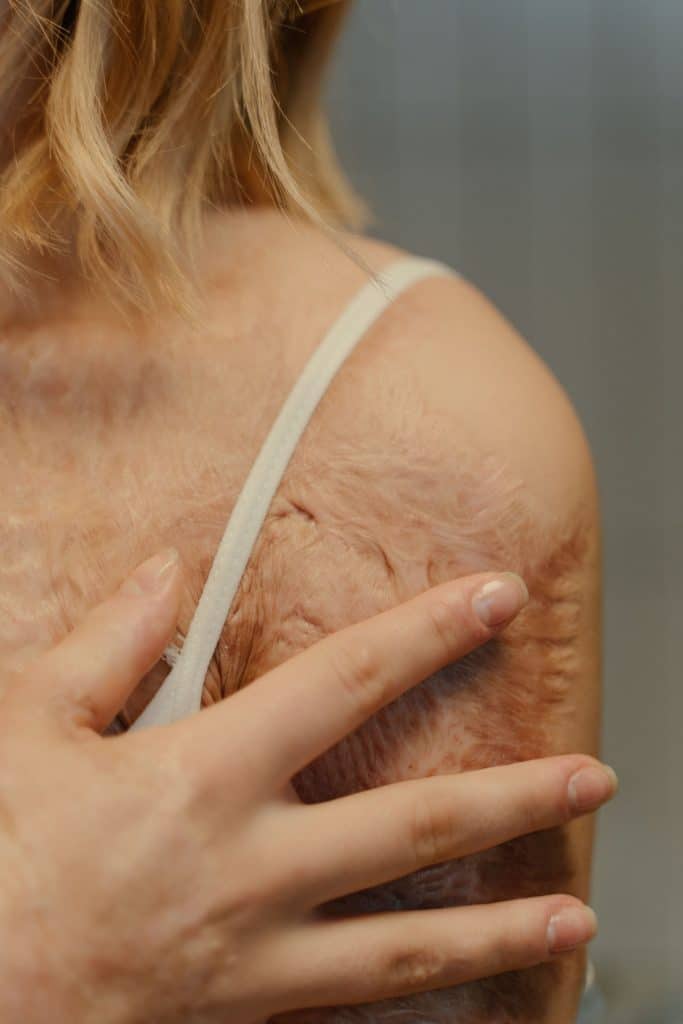
When Should You Call 000 or Get Urgent Medical Help?
Seek urgent medical care if the burn is large, deep, white, charred, leathery, or caused by electricity or a major chemical exposure. You should also seek urgent help for burns involving the face, hands, feet, genitals, mouth, major joints or airways, and for any burn where breathing is affected or the casualty’s general condition is deteriorating.
Children, older adults and people with significant medical conditions can deteriorate faster, so the threshold for review should be lower. Better Health Victoria defines major burns using total body surface area and also notes that major burns are a medical emergency requiring urgent treatment and an ambulance on 000.
Burn injuries from a house fire can also involve smoke inhalation, shock or other trauma. If the setting involves fire, it helps to think beyond the skin. CPR First Aid’s first aid after fire incident: burn and smoke care is a useful related read for readers dealing with post-fire emergencies.
Can You Treat a Minor Burn at Home?
Some small, superficial burns can be managed at home after proper cooling, protection and monitoring. That usually means a limited area of redness without deep tissue damage, major blistering or involvement of high-risk body parts. But home care still needs to be sensible. Keep the wound clean, protect it with a non-stick covering, do not burst blisters and watch closely for worsening pain, spreading redness, fever or discharge.
What matters most is not whether the injury feels “minor” in the first few minutes, but whether it stays minor after proper first aid. If the pain is severe, the burn looks deeper over time, blisters are extensive or you are unsure, get it checked. A cautious review is better than missing a more serious injury. For readers wanting more on home basics, CPR First Aid’s learn about basic wound care and essential first aid kit items are useful internal follow-ups.
Burn First Aid for Children and Families
Burns and scalds are especially important in homes with babies and young children because common household accidents happen fast. Hot drinks, bath water, saucepans, ovens, steam and hair tools are frequent causes. Clinical paediatric guidance stresses that cool running water for 20 minutes is the best immediate first aid for most burns and scalds in children.
Parents, carers and educators should not rely on guesswork when a child is burned. If you work in childcare, education or family support, practical first aid training matters. CPR First Aid’s HLTAID012 Childcare First Aid Course is nationally accredited, includes the broader first aid response for infants, children and adults, and course information references burns as part of the emergency content. CPR First Aid also has a relevant family-facing resource in The Importance of Baby First Aid Skills: A Guide for Parents.
Why First Aid Training Matters for Burn Injuries
Reading a burn treatment article is useful, but real emergencies are stressful. The hardest part is often not knowing the information; it is staying calm enough to use it correctly. That is why practical training matters. CPR First Aid’s HLTAID011 Provide First Aid is a nationally accredited course, and the associated information sheet explicitly includes burns among the conditions covered in training.
For many readers, burns are not the only concern. A workplace incident may involve shock, breathing issues, collapse or the need to follow DRSABCD before or alongside burn care. A household emergency may involve children, smoke exposure or the need to call 000 quickly and communicate clearly. First aid training helps connect these steps instead of treating each injury in isolation. That broader emergency readiness is also reflected across CPR First Aid’s CPR and first aid blogs and course pages.
Frequently Asked Questions
Is ice good for burn first aid?
No, not for standard heat burns. Australian and international clinical guidance consistently recommends cool running water, not ice or iced water, because extreme cold can worsen tissue damage. CPR First Aid’s own burn content also advises against ice for ordinary burns.
How long should I cool a burn?
For most heat burns and scalds, at least 20 minutes under cool running water is the standard recommendation. Healthdirect and ANZCOR both support 20 minutes, and Healthdirect notes cooling may still help if started within 3 hours.
What is the difference between a burn and an ice burn?
A heat burn is caused by heat, flame, steam, hot liquid, chemicals or electricity. An ice burn is caused by extreme cold and should be treated by gradual rewarming rather than additional cooling. That is why “burn treatment” depends on the mechanism of injury, not just the appearance of the skin.
Should I put cream or ointment on a fresh burn?
Not during immediate first aid. Early management should focus on cooling with running water, removing constricting items if safe and covering the area loosely. Healthdirect specifically advises against lotions and creams during the initial response.
Which CPR First Aid course is most relevant for burns?
For general community and workplace first aid, HLTAID011 Provide First Aid is the strongest fit because it includes burns within its emergency content. For educators, carers and childcare settings, HLTAID012 Childcare First Aid Course is the relevant pathway.
Final Word on Burn Treatment
Good burn treatment is simple, but it has to be done correctly. For most heat burns, stop the burning process, cool with running water for 20 minutes, protect the wound and get help early when the burn is severe, deep, widespread or in a sensitive area. Do not use ice on heat burns. Do not trust home remedies. And remember that an ice burn is a different injury that needs gradual rewarming, not more cooling.
If you want practical confidence rather than theory alone, book a nationally accredited HLTAID011 Provide First Aid course with CPR First Aid, or choose HLTAID012 Childcare First Aid Course if you work with children. For more reading on this topic, see CPR First Aid’s guides on first aid for burns, how to treat different types of burns, what not to put on burns and essential first aid kit items.