
Searching for a BP-lowering remedy usually means you need a clear answer fast: what should you do when blood pressure drops and someone feels dizzy, weak, clammy, or close to fainting? Low blood pressure, also called hypotension, can be harmless in some people, but dehydration, medicines, anaemia, heart conditions, pregnancy, infection, anaphylaxis, or blood loss can also cause it. The safest approach is to separate first aid from medical treatment: stabilise the person, watch for danger signs, and seek medical help when symptoms are new, sudden, severe, or associated with collapse.
At CPR First Aid, the practical focus is simple: recognise when low blood pressure is mild, know what to do in the moment, and act quickly if it progresses to fainting, shock, or an emergency. If you want a deeper brand-specific read after this article, start with What Is Dangerously Low Blood Pressure?, Hypotension: How to Identify and What to Do?, and What to Do If Someone is Fainting.
Quick Answer: How to Fix Low Blood Pressure in the Moment
If someone with suspected low blood pressure is conscious and feeling faint, the immediate response is usually to have them sit or lie down, especially if symptoms started after standing. If they are flat on the ground and there is no suspected spinal injury, raising the legs slightly may help improve blood flow. Loosen tight clothing, keep them cool and calm, and monitor breathing and responsiveness. If dehydration seems likely and the person is fully alert and able to swallow safely, small sips of water may help. As soon as they stop moving or breathing, put them in the recovery position if they are still breathing normally and start CPR if they are not.
Low Blood Pressure First Aid at a Glance
| Situation | What to Do |
| Dizzy or lightheaded after standing | Sit or lie down immediately |
| Looks pale, clammy, weak, or faint | Lay flat and monitor closely |
| Conscious and able to swallow | Offer small sips of water if dehydration is likely |
| Unconscious but breathing normally | Recovery position |
| Unresponsive and not breathing normally | Follow DRSABCD and start CPR |
| Chest pain, breathlessness, fever, injury, collapse, or shock signs | Call 000 immediately |
This response aligns with Healthdirect’s advice to sit or lie down when lightheaded and to seek urgent care for collapse or severe associated symptoms, as well as with CPR First Aid’s guidance on fainting, shock, the recovery position, and CPR.
What Counts as Low Blood Pressure?
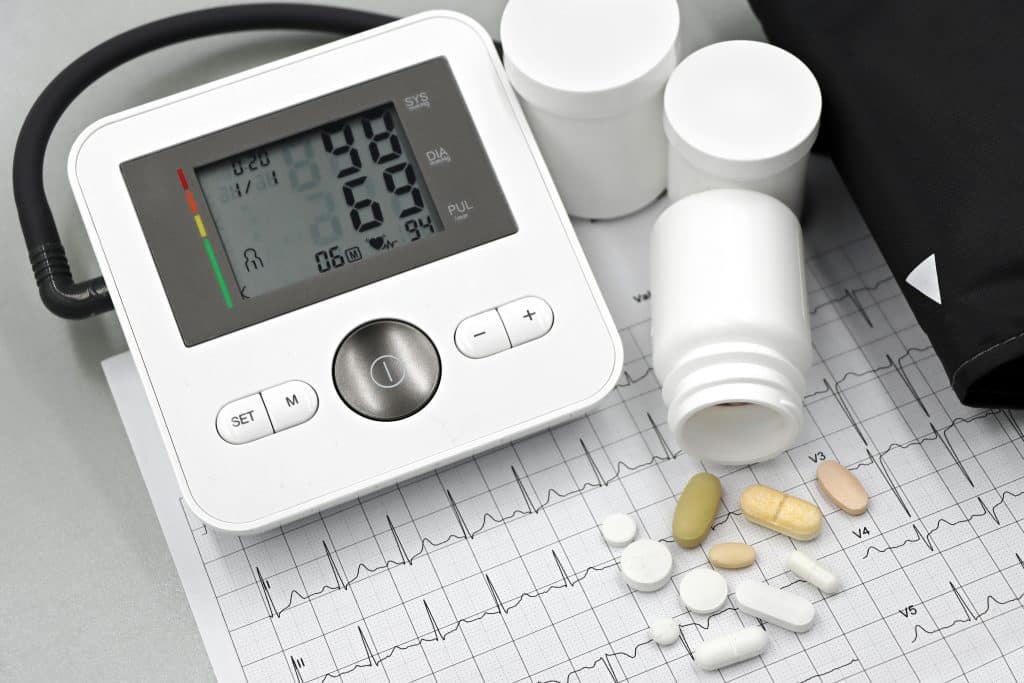
Hypotension is low blood pressure. Mayo Clinic notes that a reading at or just below 90/60 mm Hg is not always a cause for concern, especially if the person has no symptoms. Healthdirect takes a similar approach: low blood pressure is not just about the number, but about whether it is lower than expected for that person and whether symptoms are present. That is why one person may feel fine at a lower reading while another becomes dizzy, weak, or faints.
Symptoms matter more than panic over one number. Common signs include lightheadedness, dizziness, weakness, blurred or dimmed vision, pale, clammy skin, nausea, fatigue, and fainting. Postural or orthostatic hypotension is the type that happens when blood pressure drops after standing up from sitting or lying down, and symptoms often improve again when the person sits or lies back down.
For CPR First Aid readers, the practical rule is this: a mildly low reading with no symptoms is not managed the same way as dizziness, collapse, or suspected shock. If you need a simpler comparison, Hypertension vs Hypotension: Know the Difference gives a clear overview, while What Is Dangerously Low Blood Pressure? focuses on the danger signs to watch for.
Common Causes of Low Blood Pressure
A good low blood pressure treatment plan always starts with the cause. Healthdirect lists dehydration, anaemia, heart conditions, pregnancy, certain medicines, autonomic nerve problems, and hormonal conditions among the common causes. It also highlights emergency causes such as anaphylaxis, sepsis, and blood loss. That is why the right response can range from drinking water and resting to urgent ambulance care and hospital treatment.
Here are some of the most common real-world triggers:
1. Dehydration
Not drinking enough, vomiting, diarrhoea, sweating heavily, heat exposure, or alcohol can reduce blood volume and trigger dizziness or a blood pressure drop. CPR First Aid’s What Is Dehydration? also notes that severe dehydration can cause low blood pressure, confusion, and urgent medical problems.
2. Standing Up Too Quickly
Orthostatic hypotension often shows up when someone rises suddenly from bed, a chair, or a squat. In mild cases, symptoms improve if they sit or lie back down.
3. Medicines
Some blood pressure medicines, diuretics, or other medicines can lower blood pressure too much. Mayo Clinic is clear that if medicine is the cause, treatment may involve changing or reducing it. Still, you should never stop or change medicine without speaking to a healthcare professional.
4. Illness or Bleeding
Serious infection, allergic reaction, trauma, or internal bleeding can all lead to dangerous hypotension. This is no longer a “home remedy” situation. It needs an emergency assessment.
How to Fix Low Blood Pressure Safely: Step-by-Step First Aid
When someone feels faint, the goal is to protect the brain, prevent a fall, and watch for signs that the situation is worsening.
Step 1: Stop the Fall Risk
If the person is dizzy, do not encourage them to “push through it”. Get them to sit down immediately or lie flat. If they are already collapsing, guide them safely to the ground. Falls are one of the main complications of orthostatic hypotension. CPR First Aid’s Helping Someone Who Faints Due to Low Blood Pressure reinforces this early positioning approach.
Step 2: Lay Flat and Elevate the Legs if Appropriate
As long as the person is awake and there are no signs of a spinal injury, lying flat on their back and slightly raising their legs can help increase blood flow to their brain. CPR First Aid recommends this for dangerously low BP and fainting-related episodes, and its shock first aid guide uses a similar positioning principle when safe to do so.
Step 3: Loosen Tight Clothing and Keep Them Comfortable
Tight collars, waistbands, or heavy clothing can make the person feel worse. Keep them still, calm, and cool. If they are outdoors or in a hot environment, move them to shade if possible. Healthdirect specifically advises avoiding hot environments and standing up too quickly when someone is prone to low blood pressure episodes.
Step 4: Offer Water Only if They Are Fully Conscious
If the likely cause is dehydration and the person is awake, able to swallow, and not vomiting, small sips of water are sensible. Mayo Clinic notes that fluids help increase blood volume and prevent dehydration, while Healthdirect recommends drinking plenty of water to manage ongoing orthostatic hypotension. CPR First Aid’s dehydration guide also supports slow fluid replacement in mild dehydration.
Step 5: Watch Breathing and Responsiveness
Put the person in the recovery position and keep an eye on them if they lose consciousness but are still breathing normally. CPR First Aid’s fainting and shock guidance both recommend the recovery position for an unconscious but breathing casualty.
Step 6: Call 000 When Red Flags Appear
Call an ambulance if the person passes out, doesn’t get better quickly, has chest pain, shortness of breath, a racing heart, a fever, was hurt recently, is becoming more confused, or shows signs of shock like cold, clammy skin and fast breathing. Healthdirect says low blood pressure can be a sign of a life-threatening condition, and CPR First Aid flags fainting that does not quickly resolve, chest pain, or shock signs as urgent.
Home Care and Mild Low Blood Pressure Treatment
Many people searching for how to fix low blood pressure are dealing with mild, recurrent episodes rather than emergencies. In those cases, self-care can help, but only after emergency causes are ruled out.
Drink More Water
Dehydration is one of the simplest and most common triggers. Mayo Clinic states that drinking more water increases blood volume and helps prevent dehydration. Healthdirect also recommends drinking plenty of water, especially early in the day, for ongoing orthostatic hypotension. For related first-aid reading, see “What Is Dehydration?” and “Drinking Water & Blood Pressure: Hydration Explained.”
Stand Up Slowly
One of the easiest BP-lowering habits is changing position more gradually. Move from lying to sitting first, pause, then stand. Healthdirect specifically says taking it slowly and sitting first when moving from lying down to standing can help.
Avoid Overheating and Excess Alcohol
Hot showers, hot environments, and alcohol can all worsen symptoms in people prone to hypotension. Healthdirect advises avoiding dehydration, hot showers, hot environments, standing up too quickly, and prolonged standing. Mayo Clinic also notes that alcohol is dehydrating and can lower blood pressure.
Review Meal Patterns
Mayo Clinic notes that in some people, especially those whose blood pressure drops after meals, eating smaller meals may help reduce sharp drops in blood pressure. This is one of those changes that is useful for recurrent symptoms, not for emergencies.
Compression Garments May Help Selected People
If orthostatic hypotension persists, both Healthdirect and the Mayo Clinic recommend wearing compression stockings. Healthdirect also says that some individuals may also benefit from utilising a supportive abdominal binder. These are tools for managing recurring symptoms, but they are not a replacement for seeing a doctor when symptoms are severe or new.
Hypotension Medicine: Do You Need Tablets for Low Blood Pressure?
This is where many articles get sloppy, so let’s keep it clear. There is no one universal hypotension medicine or simple over-the-counter “tablet for low blood pressure” that suits every cause. Treatment depends on the cause of low blood pressure. If the issue is dehydration, fluids may help. If the issue is bleeding, infection, anaphylaxis, heart disease, or medication side effects, the treatment is completely different.
Mayo Clinic explains that when medication contributes to low blood pressure, a clinician may change the medication, stop it, or reduce the dose. It also gives examples of medicines sometimes used for long-term orthostatic hypotension, including fludrocortisone and midodrine, but only after medical assessment. These are not “self-start” medicines, and they are not appropriate for every person with low BP symptoms.
Healthdirect adds that in emergencies causing low blood pressure, hospital treatment may include oxygen, IV fluids, blood transfusion, and medications. That is why trying to solve severe hypotension at home with random salt tablets, supplements, or borrowed medication is unsafe. If you are searching for medicine for low BP, the right takeaway is: get the cause checked first.
Can Salt Help?
Sometimes, but only with context. Both Healthdirect and Mayo Clinic say a doctor may recommend adjusting salt intake for ongoing orthostatic hypotension. Aside from that, the Mayo Clinic says that too much salt can hurt you, especially if you are older or have heart issues. So while “eat more salt” is a common internet answer for low blood pressure, it should not be treated as a blanket rule.
A practical CPR First Aid-friendly version is this: if symptoms are mild and recurrent, discuss salt intake, fluid intake, medicines, and triggers with your GP. If symptoms are acute, severe, or accompanied by collapse, skip the DIY fixes and seek urgent care.
When Low Blood Pressure Becomes an Emergency
Low blood pressure is an emergency when it is part of shock, collapse, blood loss, severe infection, anaphylaxis, or another major medical event. The warning signs include confusion, pale, clammy skin, rapid breathing, chest pain, breathlessness, racing heart, fever, recent injury, persistent fainting, or a person who looks very unwell. Healthdirect advises calling 000 for an ambulance if someone collapses or feels very unwell.
From a first aid perspective, think of low blood pressure as a possible sign rather than the whole diagnosis. A casualty with bleeding may be developing hypovolaemic shock. A casualty with wheeze, swelling, and low blood pressure may be experiencing anaphylaxis. A casualty with fever and collapse may be seriously unwell. CPR First Aid’s First Aid Tips for Shock and What to Do If Someone is Fainting are useful companion reads because they keep the response centred on airway, breathing, circulation, and early emergency activation.
Preventing Repeat Low Blood Pressure Episodes
If you get repeated dizzy spells, the answer is not just a quick, at-home remedy for low blood pressure. Prevention matters.
- Drink enough water throughout the day.
- Rise slowly from bed or chairs.
- Avoid prolonged standing if that is a trigger.
- Be cautious in hot weather, hot showers, and saunas.
- Limit alcohol if it worsens symptoms.
- Track when symptoms happen: after meals, after exercise, when standing, or after taking medicine.
- See a doctor if symptoms are new, worsening, more frequent, or happening while sitting or lying down.
If fainting is part of the pattern, also read Helping Someone Who Faints Due to Low Blood Pressure and What Is Dangerously Low Blood Pressure?. Both reinforce the same core message: position early, monitor closely, and escalate fast if recovery is delayed or symptoms are severe.
Why First Aid Training Matters for Low Blood Pressure Events
A low blood pressure episode is often not just about the number on the monitor. It can turn into a fall, fainting, shock, or an unresponsive casualty. That is why practical training matters. CPR First Aid’s HLTAID011 Provide First Aid course covers first-aid response skills for emergencies, including fainting response. At the same time, the HLTAID009 Provide CPR teaches hands-on CPR so you can act if a casualty becomes unresponsive and stops breathing normally. CPR First Aid’s fainting guide also notes that its first aid training includes recovery position and CPR/AED response.
For readers building confidence at home or at work, the goal is not to “treat hypotension like a doctor”. The goal is to recognise danger, give correct first aid, and know when to call for help. That is exactly where accredited first aid and CPR training fit.
FAQs
What is the best BP-lowering remedy at home?
The best immediate home response for mild symptoms is to sit or lie down, avoid standing up suddenly, and drink water if the person is fully conscious and at risk of dehydration. The best long-term fix depends on the cause. Recurrent symptoms need medical review.
How do you fix low blood pressure fast?
If symptoms start suddenly, sitting or lying down is often the fastest safe response. Healthdirect says symptoms of orthostatic hypotension usually improve if you sit or lie back down. If symptoms are severe or linked with collapse, call 000.
What should you do for low blood pressure after fainting?
Lay the person flat, monitor breathing, and use the recovery position if unconscious but breathing. If they do not recover quickly, have chest pain, or show shock signs, call an ambulance. CPR First Aid’s guides on fainting and shock mirror this response.
Is there medicine for low BP?
Sometimes. Mayo Clinic says medicines such as fludrocortisone or midodrine may be prescribed for some cases of long-term orthostatic hypotension. Still, they are not suitable for everyone and must be managed by clinicians.
Are tablets for low blood pressure safe to take on your own?
No. Tablets or supplements should not be started on your own just because of dizziness or a low reading. The safest approach is to determine the cause first, as the appropriate treatment may be fluids, a medication change, a specialist review, or emergency care.
When should low blood pressure worry you?
It is worrying when it causes fainting, confusion, chest pain, breathlessness, a racing heart, fever, injury-related symptoms, pale, clammy skin, or collapse. These can point to a serious underlying problem rather than simple postural dizziness.
Conclusion
The right BP-lowering remedy depends on the situation. Mild low blood pressure may improve with lying down, drinking water, standing up slowly, and avoiding triggers such as dehydration or heat. But low blood pressure treatment is never one-size-fits-all. If the symptoms are severe, recurrent, linked to medicines, or part of a collapse, chest pain, breathing trouble, fever, bleeding, or shock, they need urgent medical attention, not guesswork.