

Being a parent is a rewarding but occasionally intimidating experience. Being prepared for crises is a part of being a parent. Any parent should receive training in baby first aid, especially when dealing with frequent health risks like respiratory issues, burns, drowning, and choking. Emergencies of this nature can happen rapidly, and knowing what to do could be the difference between life and death.
In Australia, infants and toddlers are more likely to experience potentially fatal circumstances, such as the highest incidence of unintentional drowning among children aged 0 to 14. However, there is good news: a child’s chances of survival and rehabilitation can be significantly improved by early intervention. The most crucial newborn first aid skills that parents should possess are summarised in this book, which covers everything from baby CPR to burn and choking prevention.
The Importance of Baby First Aid Knowledge for All Parents
Given that young children are more likely to be involved in accidents, it is crucial for parents to be ready for any mishap. When armed with baby first aid knowledge, a parent can act quickly in an emergency. Particularly in cases of drowning, choking, or seizures, prompt CPR intervention can save lives.
The Value of First Aid for Infants
Suffocation and Choking: According to the Australian Institute of Health and Welfare, choking is one of the leading reasons why children aged 0–4 are admitted to hospitals.
Drowning: Unintentional drowning claimed 111 lives in Australia between 2015 and 2017, with children aged 1 to 4 having the greatest drowning fatality rates.
Cardiac Arrest and Breathing Issues: Babies and toddlers frequently have respiratory distress brought on by infections, asthma, or even allergies.
Knowing how to administer first aid in an emergency can help to calm things down and make things better.
How to Handle Typical Baby Emergencies
Being prepared to know how to react in an emergency is crucial, and baby first aid addresses how to handle situations like burns, choking, and breathing problems. What you can do to get ready is as follows:
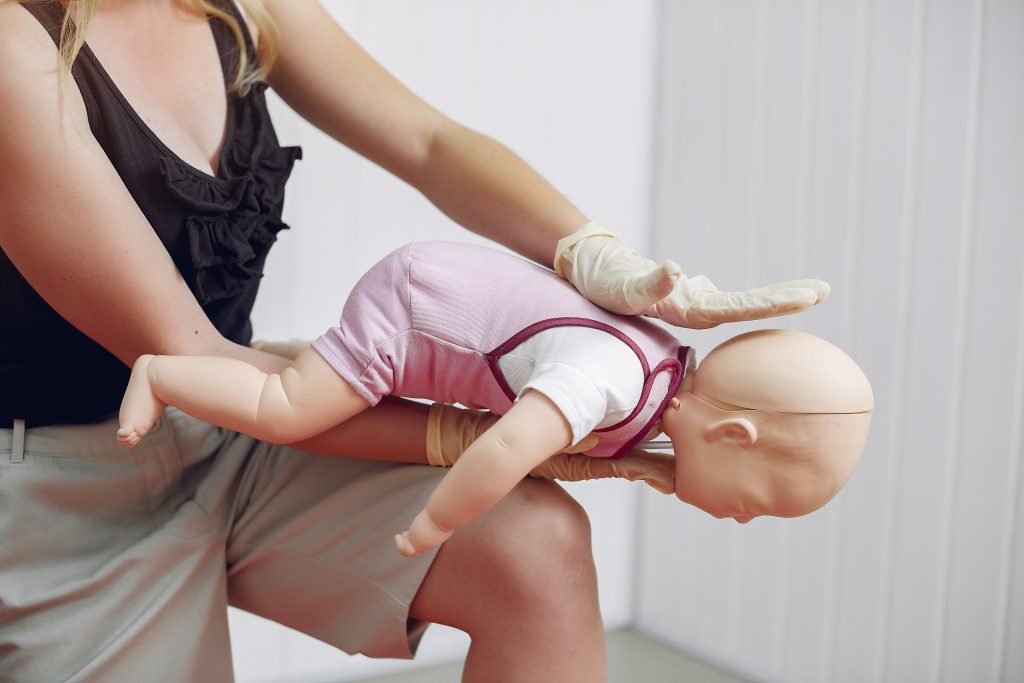
Breathing and Choking Problems
For infants and toddlers, choking is a very serious risk, especially when they start learning about objects by putting them in their mouths. Food, toys, and little items around the house might obstruct the airway. It’s critical to recognise the symptoms of choking and know what to do.
Symptoms of Choking:
- Breathing difficulties or lack of voice when sobbing
- Pale or flushed face
- Having trouble coughing or gagging
Actions to Take:
First Aid for Infant Choking: Give chest thrusts and back blows if the baby is under a year old. Ask older children to cough, and if needed, give them back slaps.
How to Make Your Home Baby-proof
Quick response is crucial if a newborn stops breathing. The compression depth and rate of baby CPR differ slightly from those of adult CPR.
How to Perform CPR on a Baby:
- Examine the infant: Verify that the baby is not breathing and is unconscious.
- Chest Compressions: Perform 100–120 compressions per minute with two fingers, extending to a depth of around 1.5 inches (4 cm).
- Rescue Breaths: Take two calm breaths while covering the baby’s mouth and nose with your mouth.
- Call 000: If you’re by yourself, perform CPR for two minutes before dialling 911.
Cuts, Burns, and Fevers
Baby burns should be treated by immersing the area right away in cool running water for 20 minutes. Avoid using creams or ointments and cover with a fresh cloth.
First Aid for Infant Fever: Make sure the infant is comfortably dressed and give them fever-reducing drugs, such as paracetamol.
Cuts and scrapes: Use water to clean the wound, press to stop the blood flow, and then cover with a sterile bandage.
Putting Together a First Aid Kit for Your Infant
Parents need to have an excellent first aid kit. They can treat minor illnesses and injuries if they have the proper equipment.
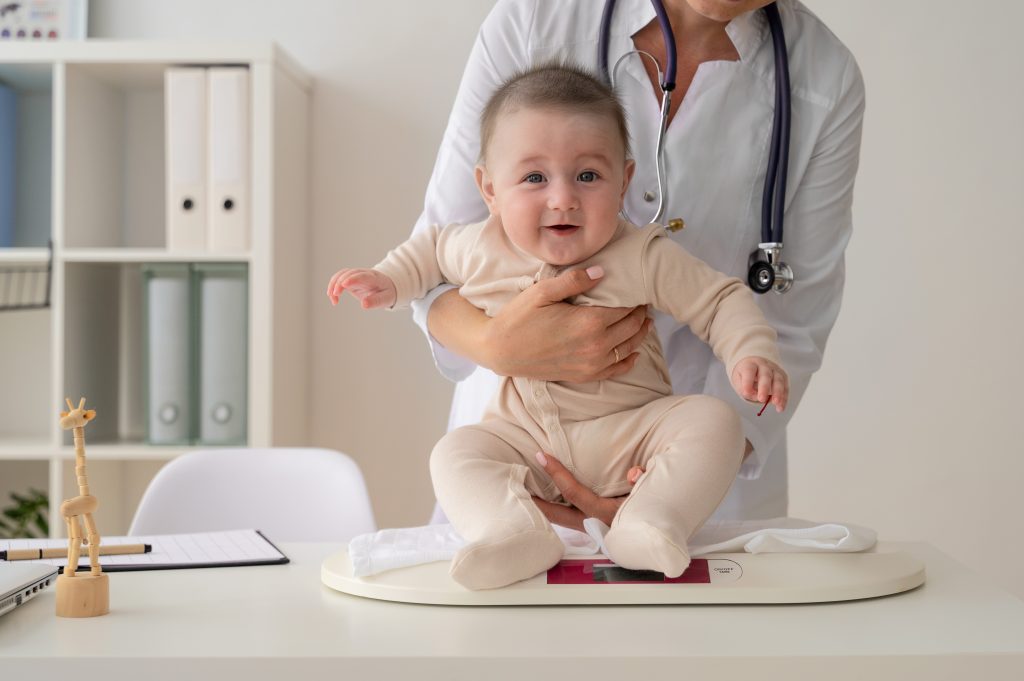
Essentials of a Baby First Aid Kit
Included in your kit should be:
- Thermometers for checking fevers
- Tape, gauze, and sterile bandages
- Infant pain relievers (ibuprofen or paracetamol)
- For small burns, use burn gel or cream.
- Aspirator for the nose (to clear nasal passages)
- Antiseptic wipes safe for babies
Ensure that the kit is kept in a handy place and periodically check that its contents are up to date.
Families’ First Aid Kits
In addition to possessing the necessary abilities, parents also need to know where to find expert help. In an emergency, training may save your life.
The Benefits of CPR First Aid
CPR First Aid offers parent education training, including childcare first aid and newborn CPR. These classes provide parents the self-assurance to act in an emergency and give them practical experience in real-world scenarios.
Learn how to handle common kid emergencies with Childcare First Aid.
Comprehensive instruction in CPR and other first aid techniques is provided via first aid courses.
Frequently Asked Questions
What would happen if my infant stopped breathing?
A: You must perform newborn CPR immediately if your baby has stopped breathing. Until aid arrives, call 000 and continue performing CPR.
How do I treat a burn on my infant?
A: Apply cold water to the burn and leave it there for 20 minutes. Avoid using creams or ointments. If it’s severe, get medical advice.
When should I make an emergency assistance call?
A: If your kid is unconscious, won’t breathe, or exhibits severe distress symptoms like choking, fits, or heavy bleeding, ring 000.
In conclusion
Knowing what to do in an emergency involving a newborn is essential to preserving lives. Whether it’s choking, burns, or CPR, parents who possess the necessary skills and information will be able to respond as quickly and effectively as possible. The comprehensive training offered by CPR First Aid equips you with the necessary first aid knowledge to protect your infant.
You may ensure that you’re prepared to act swiftly in any circumstance by enrolling in baby first aid lessons and keeping your first aid gear on hand. The first step in protecting your child is being ready, and CPR First Aid may help by providing parents with the necessary training and resources.