
Floods are among the most frequent and destructive natural disasters, and preparedness can be the difference between life and death. With increasing climate change leading to more frequent extreme weather conditions, it’s important to go out of your way to ensure the well-being and safety of yourself and your family. The initial step in flood preparation is possessing a full first aid kit. The Department of Fire and Emergency Services (DFES) and other governing agencies emphasize the necessity of having key first aid equipment accessible, even if your residence is not directly affected by floodwaters. This extensive guide by CPR First Aid details the equipment and techniques required to get ready for floods in Australia, where speedy and efficient action can prove to be a lifesaver.
Why A Flood-Specific First Aid Kit Is So Important
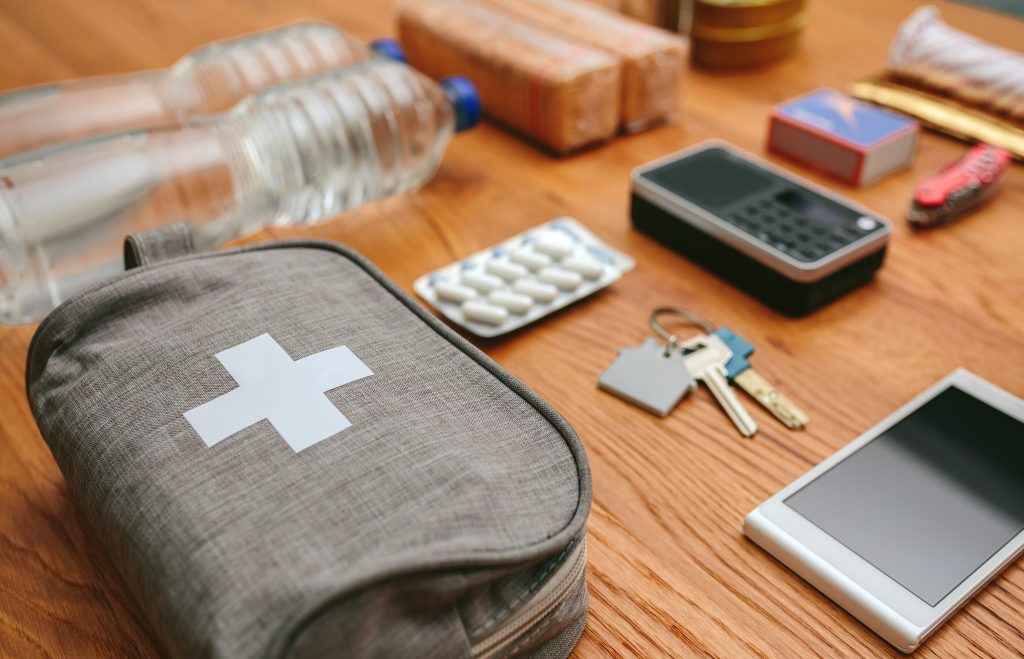
During a flood, medical attention might be scarce. Floods can lead to injuries, infection, and other health hazards, and it is important to have a stocked first aid kit. Flood-specific first aid kit guarantees that you possess essential tools to manage routine medical emergencies that occur during floods, including cuts, infections, dehydration, and trauma. CPR First Aid suggests the inclusion of these items in a kit as a means of responding to instant health needs when professional intervention is not readily available.
Major Reasons to Keep a Flood-Specific Kit
- Limited Medical Access: Floods can overburden local medical facilities, making it difficult to receive immediate medical care.
- Increased Risk of Injury: Sharp debris, and polluted waters can lead to wounds and infections.
- Prevention of Waterborne Diseases: Staying clean and sanitized is crucial in flood zones.
Core Tools for Your Flood Emergency Kit
When a first aid kit is prepared for a flood, it’s beneficial to emphasize equipment that is useful in most emergencies. The below items are essential:
Essential Bandaging Supplies
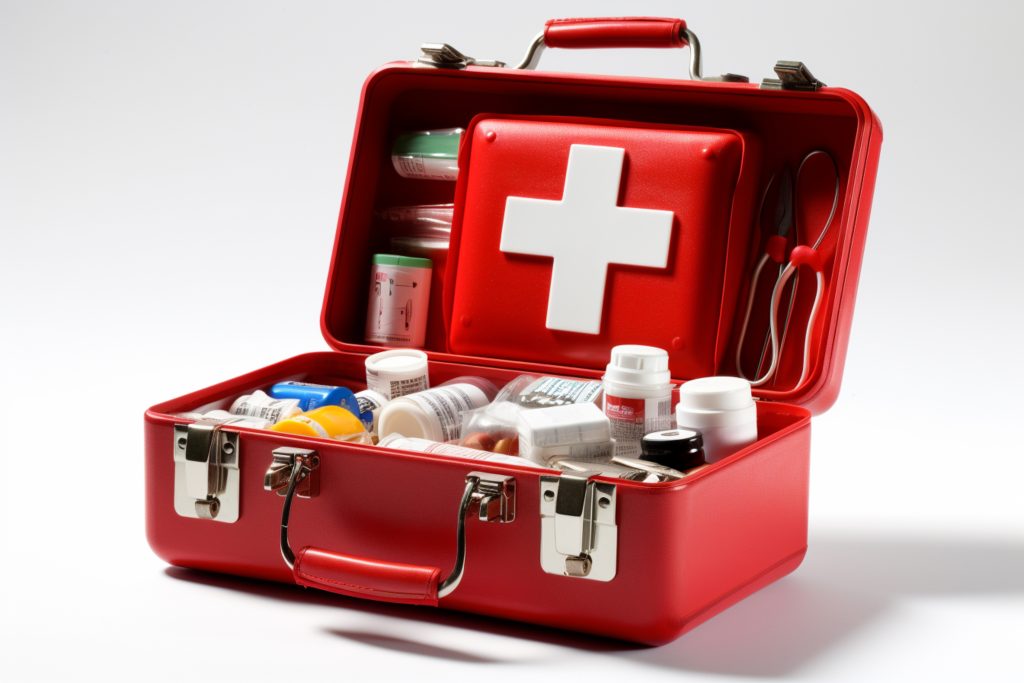
- Bandages: Multiple sizes, such as crepe and elasticised bandages, to secure wounds and supply support.
- Gauze: To dress wounds and avoid infection.
- Trauma Pads: Large, absorbent pads to stabilize bleeding and avoid additional injury.
Infection Prevention Items
- Antiseptic Wipes: To cleanse wounds and avoid infection.
- Gloves: Disposable gloves to prevent contamination while treating injuries.
- Emergency Blanket: Assists in keeping the body warm and avoiding shock in emergency cases.
Wound Cleaning & Protection
- Saline Solution: For cleaning and irrigating wounds.
- Scissors & Tweezers: Ideal for cutting dressings or extracting splinters and debris from wounds.
Specialty Tools
- Multi-tool: An all-purpose tool that can be applied to multiple needs, i.e., to cut or to open supplies.
- CPR Face Shield: Offers protection while doing CPR, resulting in a safer and more efficient process.
- Burn Gel: Necessary for the treatment of burns that may happen due to fires or contact with scalding surfaces under a flood condition.
Supplementary Items to Add
Aside from the necessary first aid equipment, your flood emergency kit can also consist of additional items that are needed to survive in case of evacuation or when dealing with the flood aftermath.
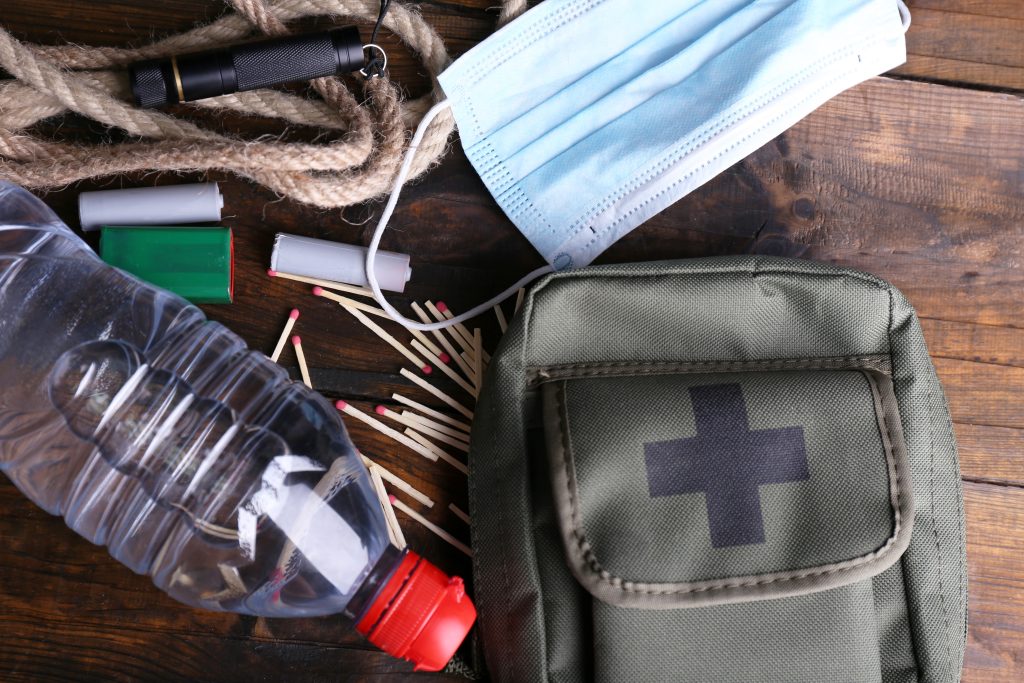
- Clean Water: At least one gallon of water per individual per day for a period of three days.
- Torch: A sound source of light during a power outage.
- Portable Radio: To get weather updates and emergency information.
- Spare Batteries: For the torch, radio, and other battery-operated devices.
- Personal Hygiene Items: Toiletries and sanitary products to keep oneself clean.
- Protective Clothing: Gloves, waterproof boots, and goggles to guard against rubbish and infected water.
Tips for Kit Maintenance & Access in a Flood
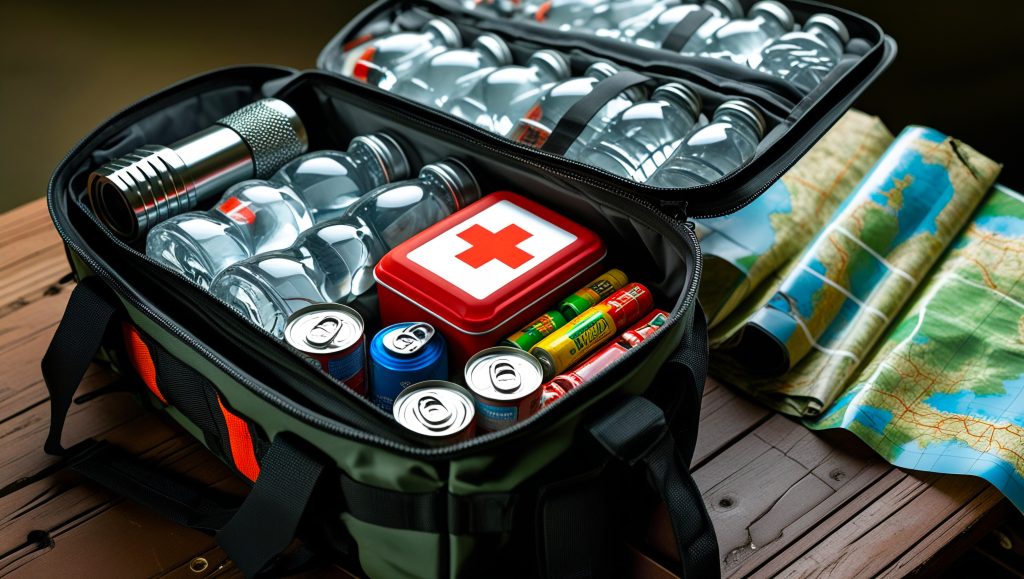
A first aid kit is as good as useless if it’s in bad condition and not readily accessible during a flood. The following tips will ensure your kit is always at hand in case of a flood:
- Store in Waterproof Containers: Store your items in a strong, waterproof container so the items will not be ruined by water.
- Regular Checks: Check regularly through the contents to make sure nothing has expired or run out.
- Evacuation Accessibility: Place the kit in a spot that’s convenient to reach when evacuating hurriedly. It must be light and portable.
How CPR First Aid Training Complements Your Emergency Pack
Aside from possessing the right first aid equipment, possessing the right knowledge is also vital in a flood disaster. CPR First Aid provides in-depth first aid and CPR training that may equip you with the essential skills to help others when the need arises. First aid and CPR training provide you with the knowledge and the confidence needed to act promptly in the event of an emergency, perhaps saving lives.
Taking a CPR course can significantly improve your ability to perform life-saving interventions during a flood, especially if you’re faced with situations like drowning, cardiac arrest, or severe bleeding. It’s recommended to also regularly refresh your CPR skills to ensure you’re prepared for any emergency situation.
Other Things to Add to Your Flood Emergency Kit
While the first aid tools mentioned above are crucial for handling medical emergencies, other non-medical supplies are essential to ensure your survival and comfort during a flood emergency. DFES suggests the following items to include in your kit:
- Flood Plan: A clear plan outlining evacuation routes, safe places, and emergency contacts.
- Emergency Contact Details: A list of family members, friends, and important numbers.
- Important Documents: Insert copies of passports, insurance certificates, and any vital documents.
- Sanitary Items: Toiletries, hygiene items, and nappies if you have babies.
- Spare Keys: Store spare keys for your house and car in your kit.
- Pet Supplies: If you have pets, include food, water, and bedding for them.
How Do You Use the First Aid Kit
Having the equipment is only half of it. It’s critical to have the skills and knowledge to use them properly. CPR First Aid provides training both online and on-site, teaching basic first aid techniques, such as wound care, CPR, and medical emergency management. With this training, one can acquire priceless skills that can be the difference between life and death in a flood disaster.
FAQ About Flood First Aid Kits
What Should Be Included in a Flood First Aid Kit?
Your flood-specific first aid kit must contain bandages, antiseptics, gloves, saline solution, scissors, tweezers, CPR face shields, and burn gel. You must also include other items such as water, a torch, and a portable radio in your pack.
How Frequently Must I Replenish My Kit
You need to replenish your flood first aid kit annually or whenever supplies expire. It’s necessary to have current supplies contained in your kit that are prepared for instant use during an emergency.
Can I Use Kit Items After Expiry?
Materials like medicines, bandages, and disinfectants must not be used after the expiry date. Expired material may not work as they should and can endanger you or someone else. Inspect the expiry dates regularly and replace material as needed.
Conclusion
Preparing for a flood is essential for safeguarding yourself and your loved ones. A well-stocked first aid kit, along with an emergency kit containing necessary items like clean water, a torch, and a portable radio, can significantly increase your chances of survival. Additionally, knowing how to use your first aid kit is just as important. CPR First Aid offers comprehensive courses that teach critical life-saving skills. By acting today, you can prepare yourself to be ready to act when something does happen. Be safe, be aware, and remember that preparation is the best way to survive.