
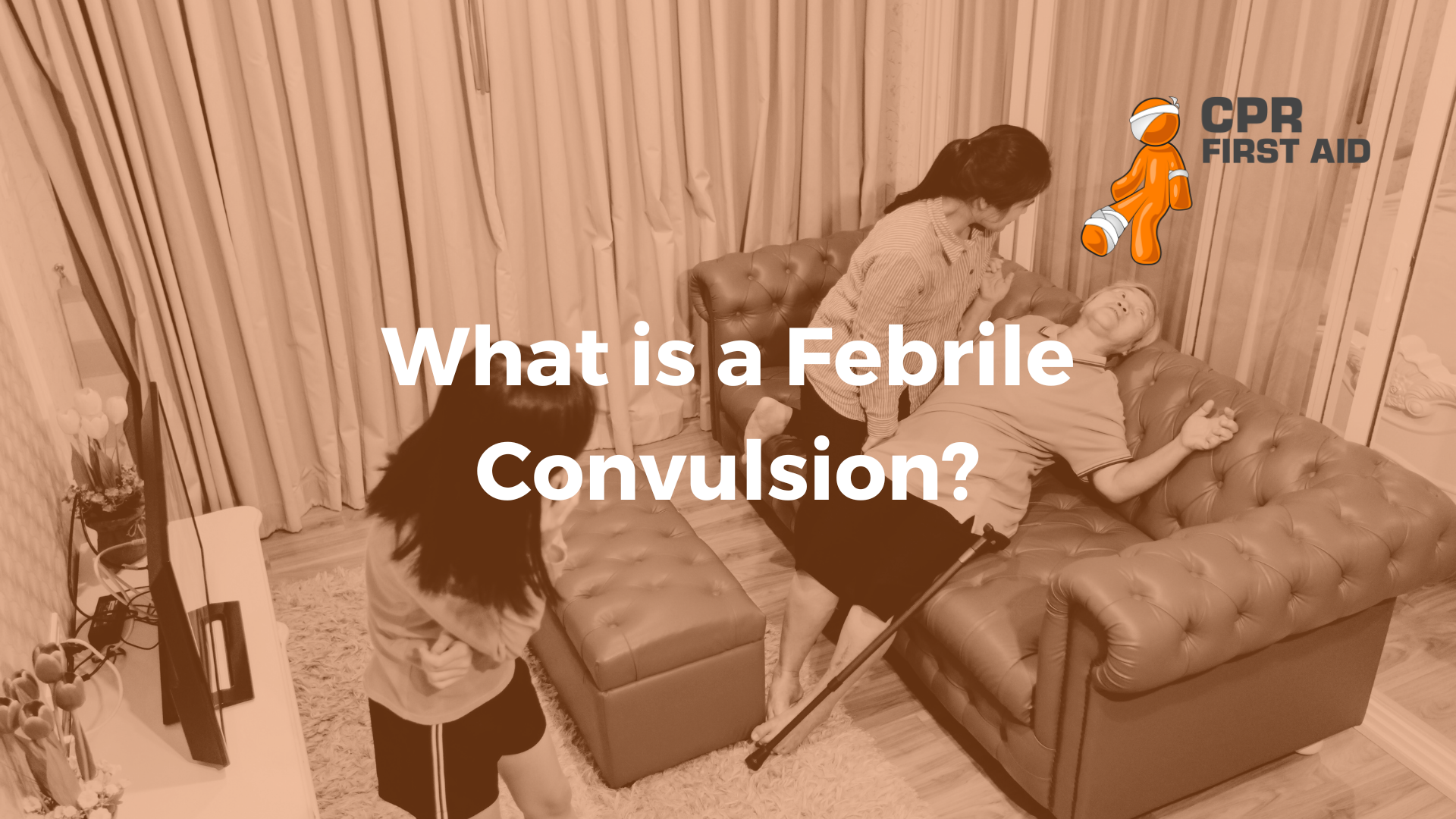
Key Takeaways – Febrile Convulsions & First Aid
-
Febrile convulsions are seizures caused by high fever in children aged 6 months to 6 years, usually lasting a few seconds to 15 minutes.
-
They are not epilepsy and do not cause brain damage, though children who experience one are more likely to have another.
-
A key difference: febrile convulsions only occur with fever, while epilepsy causes recurring seizures without fever.
-
Symptoms of febrile seizures include twitching, unconsciousness, eye-rolling, foaming at the mouth, and temporary breathing difficulty.
-
First aid for febrile convulsions: keep the child safe, lay them on the floor, remove harmful objects, do not restrain them or place anything in their mouth.
-
Call 000 if a seizure lasts more than 5 minutes, then place the child in the recovery position and seek medical advice.
-
Fever first aid may include paracetamol or ibuprofen for pain and discomfort, but these do not prevent seizures.
-
Epilepsy requires different treatment, including medication, surgery, dietary changes, or nerve stimulation.
-
Long seizures may need medical treatment, such as Midazolam, prescribed by a doctor.
-
There is no way to prevent febrile seizures, but parents can prepare through first aid training, especially childcare-specific courses.
What Is a Febrile Convulsion?
Febrile convulsions, also called febrile seizures, are brief seizures caused by a high fever in children aged 6 months to 6 years. They usually last from a few seconds up to 15 minutes and, while they can look frightening, they are typically harmless and do not cause brain damage.
According to the Perth Children’s Hospital, about 1 in 20 Australian children will experience at least one febrile convulsion. These episodes are unpredictable but tend to occur during sudden rises in body temperature. Understanding what they are, how to recognise them, and what first aid steps to take can help parents respond calmly and safely.

Recognising Signs and Symptoms
Children experiencing a febrile seizure may display several distressing symptoms. During the episode, they may:
- Lose consciousness
- Twitch or jerk their arms and legs
- Roll their eyes back
- Appear stiff or floppy
- Foam at the mouth
- Have difficulty breathing or appear pale or bluish
After the convulsion, the child may feel drowsy or irritable for up to 15 minutes before fully waking.
How Long Do Febrile Convulsions Last?
Most simple febrile convulsions last less than 5 minutes. Complex ones on the other hand can last longer or occur more than once within 24 hours. If a seizure lasts more than 5 minutes, it’s crucial to call 000 immediately for emergency help.
Simple vs Complex Febrile Convulsions
There are two main types of febrile seizures. The table below summarises the key differences:
| Type | Duration | Recurrence | Symptoms | Risk |
| Simple Febrile Convulsion | Less than 5 minutes | Occurs once in 24 hours | Generalised shaking or twitching | Low risk of complications |
| Complex Febrile Convulsion | More than 15 minutes or multiple seizures in 24 hours | May affect one part of the body | Uneven movement or prolonged recovery | Higher chance of recurrence |
Recognising whether a seizure is simple or complex can help guide whether to seek immediate medical care or follow up with your GP.
What Causes a Febrile Convulsion?
A febrile convulsion is triggered by a sudden rise in body temperature, usually caused by a viral or bacterial infection. These seizures can occur when a fever exceeds 38°C.
Common causes include:
- Respiratory infections (like influenza or COVID-19)
- Ear infections
- Gastrointestinal infections
- Post-vaccination fever (in rare cases)
Genetics may also play a role — children whose parents or siblings had febrile seizures are more likely to experience them.
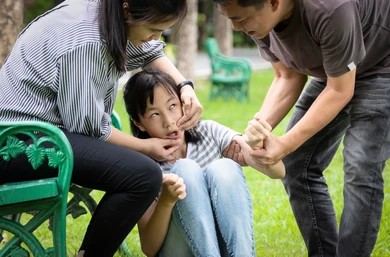
Immediate First Aid Steps
If your child experiences a febrile convulsion, try to stay calm and follow these first aid steps:
- Lay your child on the floor or a safe surface away from hard or sharp objects.
- Do not restrain them or try to hold them down.
- Do not put anything in their mouth — this can cause injury or choking.
- Loosen tight clothing, especially around the neck.
- Time the seizure — if it lasts longer than 5 minutes, call 000 for an ambulance.
- Once the seizure stops, place your child in the recovery position and ensure they are breathing normally.
Parents often find it difficult to respond calmly during a febrile seizure. First aid training, such as a Childcare First Aid Course, allows caregivers to practise these emergency steps using realistic scenarios and mannequins, helping build confidence during real-life situations.
When to Get Emergency Help
Call 000 or seek urgent medical attention if:
- The seizure lasts longer than 5 minutes
- Your child has trouble breathing after the seizure
- There is a second seizure within 24 hours
- The child remains unresponsive or confused for an extended time
- The seizure occurs in a child younger than 6 months or older than 6 years
Even if your child seems to recover quickly, it’s advisable to visit a doctor to rule out serious infections such as meningitis.
Diagnosis & Treatment Overview
Doctors will evaluate your child’s medical history, temperature, and details of the episode. In most cases, no further testing is required after a simple febrile seizure. However, if the seizure was complex or unusually long, the doctor might request tests such as:
- Blood or urine tests to find infection
- Lumbar puncture (in rare cases)
- EEG or brain imaging if epilepsy is suspected
Treatment
There is no specific medicine to prevent febrile seizures. For fever management, doctors may recommend paracetamol or ibuprofen to ease discomfort, though these do not stop seizures from happening.
If seizures last longer than 5 minutes or are frequent, a doctor may prescribe Midazolam, a medication that can stop prolonged seizures.
Parents who want to feel more prepared for emergencies can also join a CPR or first aid training course, which includes modules on recognising and managing seizures in children.
Prognosis and Prevention
Most children recover quickly from febrile convulsions and lead completely normal lives. While they can recur — about 30% of children may have another episode — they do not cause brain damage or lead to learning difficulties.
Unfortunately, there is no guaranteed way to prevent febrile seizures, but you can:
- Monitor your child closely during illnesses
- Keep them cool and hydrated
- Know the first aid steps for seizures
- Stay calm and seek help when necessary
Frequently Asked Questions (FAQ)
How long do febrile convulsions last?
Most last less than 5 minutes, but always call 000 if the seizure continues beyond that time.
Should I give medication to prevent febrile seizures?
No. Medicines like paracetamol or ibuprofen can reduce fever discomfort but do not prevent seizures.
Will my child outgrow febrile convulsions?
Yes. Most children stop having febrile seizures by age 6 and have no long-term effects.
Conclusion
A febrile convulsion is a seizure or a fit that a high fever triggers and may come with drowsiness. It is common in kids from 6 months to 6 years old. It is not epilepsy, nor is it a risk factor for it. Aside from twitching, symptoms may include unconsciousness, foaming at the mouth, and paleness. During a fit, ensure a child is safe from any possible injuries and place them in recovery after a seizure. Call 000 if it lasts for 5 minutes or see a doctor for additional information. Seizures may be concerning, and there is no way to prevent them. Staying calm during an episode and preparing for the first aid response would be best.