

Nosebleeds (or epistaxis) are common and can happen to anyone, regardless of age. While they are usually not life-threatening, they can be alarming, especially if you are not familiar with the correct first aid techniques. This guide will provide a comprehensive overview of the most effective methods to stop a nosebleed, the causes, prevention strategies, and when to seek medical attention.

How to Stop a Nosebleed: First Aid Steps to Know
Nosebleeds or epistaxis are normal and may occur to anyone, not depending on age. Though they are not life-threatening most of the time, they can be frightening, particularly if you do not know the proper first aid methods. This article will offer a full tutorial of the best ways to stop a nosebleed, causes, prevention, and when to see a doctor.
What Is a Nosebleed (Epistaxis)?
A nosebleed happens when the blood vessels in the nasal passages are ruptured, resulting in bleeding from the nostrils. While nosebleeds are alarming, they are not usually serious and can be quickly treated with good first aid. Dry air, nasal irritation, trauma, and certain underlying conditions are the usual causes of nosebleeds.
Step-by-Step First Aid for Nosebleeds
It is essential to remain calm and adhere to these steps of first aid in order to handle a nosebleed efficiently.
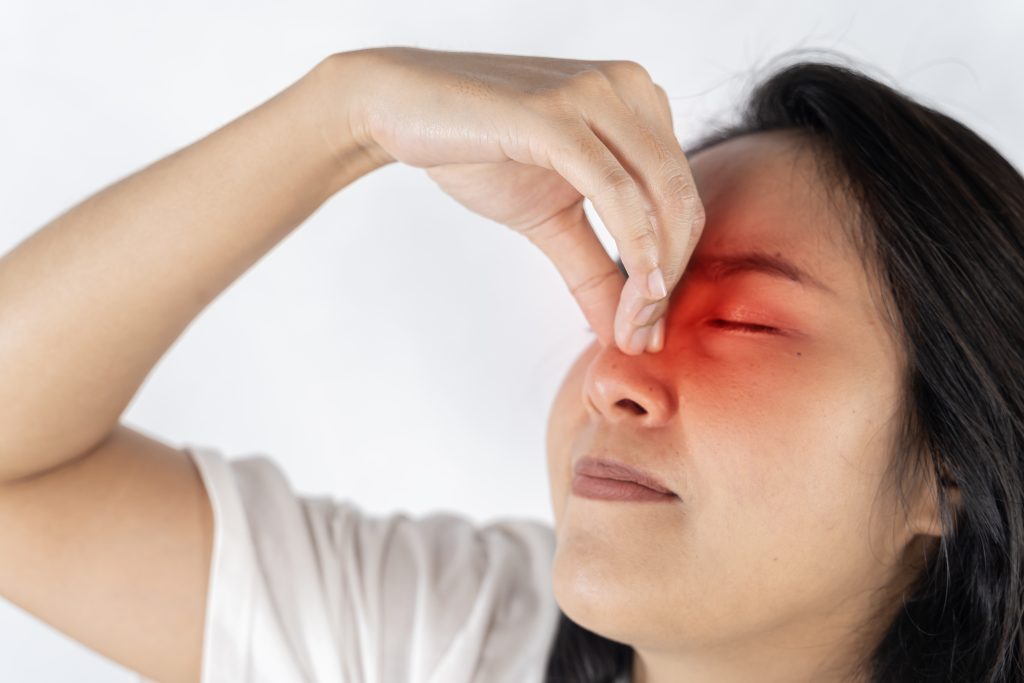
1. Remain Calm and Sit Upright
If you or someone else have a nosebleed, stay calm. Panic will increase blood pressure, which could make the bleeding worse. The victim should sit up to limit blood flow to the nose. Avoid lying down since it might cause the blood to spill into the throat, leading to coughing or swallowing blood.
2. Lean Forward
Slouching slightly forward is important when there is a nosebleed. This position avoids blood running into the back of the throat. Swallowing blood can lead to nausea or stomach irritation. It should be let out of the nostrils.
3. Pinch the Soft Part of the Nose
Pinch the soft tissue of the nose just under the bony part using your index and thumb. Keep this pinch tightly held for 5–10 minutes. This action presses on the bleeding vessels, causing them to clot and for the bleeding to cease. Do not release the pinch until the total time has elapsed to confirm bleeding has stopped. Make mouth breathing the breathing method during this period.
4. Apply a Cold Compress
To stop the bleeding, constrict blood vessels by applying a cold compress to the bridge of the nose. Cover ice or a cold pack in cloth so as not to damage skin from direct contact with ice. Place the compress against the nose for a few minutes to assist the first aid process.
5. Prevent Blowing the Nose
After stopping the bleeding, one must not blow their nose for 24 hours. Nasal blowing may dislodge the blood clot and reinitiate the bleeding. If sneezing is necessary, it should be done while keeping the mouth open to lower pressure within the nasal passages.
What Are the Common Causes of Nosebleeds?
Knowing the reasons behind nosebleeds can prevent them from happening. Some of the most frequent reasons for nosebleeds are:

In Adults:
- Dry Air: Dry air in houses can dehydrate the nasal membranes, causing them to crack and bleed.
- Nasal Irritation: Frequent nose-blowing, nose-picking, or exposure to outside irritants can result in irritation and injury to blood vessels.
- Medications: Some medications, including blood thinners, can make blood vessels susceptible to breaking.
- Sinusitis: Swelling from sinus infections can cause nosebleeds.
- Allergies: Allergic tissues can result in inflammation of the nasal passages, which makes them more likely to bleed.
In Children:
- Nose Picking: The most frequent cause of nosebleeds in children is nose picking, which ruptures blood vessels.
- Nasal Trauma: Blowing the nose too hard or bumping the nose can result in nosebleeds.
- Foreign Objects: Putting objects into the nose may cause bleeding.
- Infections: Infections of the respiratory system or allergies may cause the nasal passages to become irritated and bleeding to result.
- Dry Air: Similar to adults, children are also prone to dry air inducing nosebleeds.
Preventing Nosebleeds
Although it is not always preventable, you can do a number of things to lower the chances of one happening:
- Use a Humidifier: Humidifying the air will prevent nasal membranes from drying out, particularly during winter months.
- Stay Hydrated: Drinking water keeps the nasal passages moist.
- Use Nasal Saline Sprays: Sprays keep the nasal passages moist and prevent irritation.
- Avoid Nose Picking: Educate children to avoid picking their noses, and trim fingernails to lower the chances of injury.
- Control Allergies: Manage allergies appropriately under the care of a healthcare provider to decrease inflammation in the nose.
- Protective Measures: If children are likely to experience nosebleeds, take care to prevent them from undertaking activities that can result in trauma to the nose, like wild play.
What Are the Risks and When to Get Medical Help?
Most nosebleeds are not dangerous, but there are some situations where medical attention is required. Get assistance if:
- The Bleeding Won’t Stop: If the nosebleed is ongoing beyond 20–30 minutes after applying pressure, get medical help right away.
- Nosebleeds that occur regularly: Frequent or repetitive nosebleeds may be a sign of existing health problems, like bleeding problems or nasal polyps.
- Bleeding that is heavy: In case of heavy bleeding or uncontrolled bleeding, professional help might be needed.
- Accompanied Symptoms: Consult medical help if the nosebleed is accompanied by signs such as high blood pressure, bruising, or bleeding from other areas of the body.
- After a Head Injury: If the nosebleed is following a head injury, there can be more severe damage that needs medical evaluation.
When Is a Nosebleed a Medical Emergency?
Though most nosebleeds are benign, at times they could indicate a more dangerous problem. These include:
- Severe Bleeding: If the blood loss is significant and hard to stop, it may be a serious injury or underlying medical condition.
- Following Trauma: Traumatic nosebleeds due to head or facial trauma can necessitate medical assessment to eliminate facial fractures or internal injuries.
- Symptoms of a Bleeding Disorder: Nosebleeds that occur frequently, as well as easy bruising, heavy bleeding from cuts, or spontaneous bleeding elsewhere, could indicate a bleeding disorder such as hemophilia or von Willebrand disease.
First Aid Courses and Training
Learning how to treat a nosebleed properly is a key component of basic first aid education. CPR First Aid provides  HLTAID011 Provide First Aid courses, which include training in the skills needed to respond to a range of medical emergencies, including nosebleeds. The course provides useful skills that can really make a real difference during an emergency, enabling people to respond confidently and effectively.
Conclusion
Nosebleeds are very normal and usually not something one should worry about, but having some idea of how to handle it with proper first aid can calmly and effectively deal with the situation. By following the simple steps of remaining calm, sitting up, pinching the nose, and applying a cold compress, one effectively brings a nosebleed to an end.
Preventive steps like humidifiers, saline sprays, and refraining from nose picking can also decrease the frequency of nosebleeds. Yet, if a nosebleed exceeds 30 minutes, accompanies other alarming symptoms, or occurs after an injury, a visit to the doctor is not only recommended but necessary.
CPR First Aid’s HLTAID011 Provide First Aid course equips individuals with necessary skills to handle nosebleeds and other medical emergencies, allowing them to respond confidently in times of crisis.