
SEO-Optimised Key Takeaways – Sprains
-
Sprains are ligament injuries caused by joints moving beyond their normal range, commonly affecting ankles, knees, and wrists.
-
Common causes include sports, running, hiking, physical labour, improper footwear, and missteps or falls.
-
Ankle sprains are classified into three types: mild (Grade 1), moderate (Grade 2), and severe (Grade 3), each with varying pain, swelling, and instability.
-
Difference between fracture, sprain, and strain: fractures affect bones, sprains affect ligaments, and strains affect muscles or tendons.
-
RICE method is essential first aid: Rest, Ice, Compression, Elevation to manage pain and swelling.
-
Ice therapy is recommended in the first 48 hours after a sprain to reduce inflammation and numb pain.
-
Seek medical attention if there’s intense pain, worsening swelling, joint deformity, numbness, or inability to bear weight.
-
Prevention strategies include warming up, using proper footwear, watching your step, maintaining proper technique, and allowing full recovery time.
-
Rehabilitation focuses on restoring strength, flexibility, and joint function through gradual exercise and functional movement.
-
First aid training can improve sprain management, and courses like CPR, childcare first aid, and advanced first aid prepare individuals for emergencies.
A sprain is an injury to the ligaments, which are tough bands of fibrous tissue that connect bones within a joint and help stabilize the joints. When a joint such as the ankle, knee, or wrist is forced to move beyond its normal range, these ligaments can stretch or tear, resulting in pain, swelling, and instability.

Common Causes Of Sprain
There are several causes of sprain here are the common causes:
Physical Activities
- Sports: Activities such as basketball, soccer, football, tennis, and skiing involve quick movements, changes in direction, and potential collisions that can strain ligaments.
- Running and Jogging: Repetitive impact and sudden changes in direction can stress ligaments, especially in the ankles and knees.
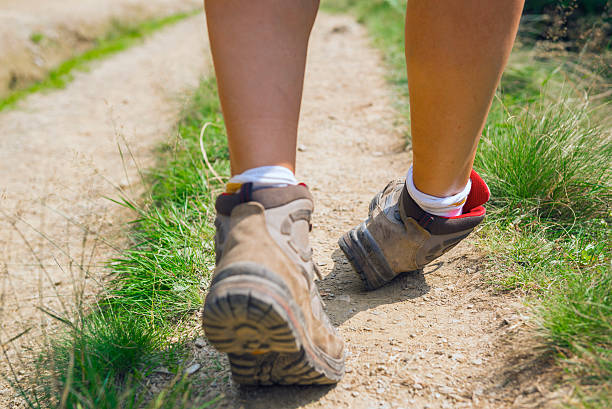
- Hiking and Trail Running: Uneven terrain and unpredictable surfaces can lead to missteps or twists that cause ankle or knee sprains.
- Physical Labor: Jobs involving heavy lifting, repetitive motions, or working at heights pose risks for sprains, particularly in the back, shoulders, and wrists
Wrong Foot Wear
Choose footwear designed for your activity, ensure a proper fit, prioritise good ankle support, consider the soles for your terrain, and replace worn-out shoes to minimise sprain risk.
- Lack of support: Wobbly shoes make ankle rolling more likely.
- Poor traction: Slippery soles can lead to falls and awkward landings.
- Improper fit: Loose shoes mean lost balance, tight ones put pressure on joints.
- Wrong activity, wrong shoe: Running in sandals? Not ideal for ankle stability.
Missteps and Falls
- Uneven surfaces: Stairs, curbs, loose rugs, or uneven terrain can all increase the risk of tripping or losing your balance.
- Poor lighting: Not being able to see clearly can make it difficult to navigate your surroundings safely.
- Muscle weakness and stiffness: As we age, our muscles and balance can decline, making it harder to stay steady.
- Vision problems: Difficulty seeing depth or obstacles can contribute to falls.
Types Of Ankle Sprain
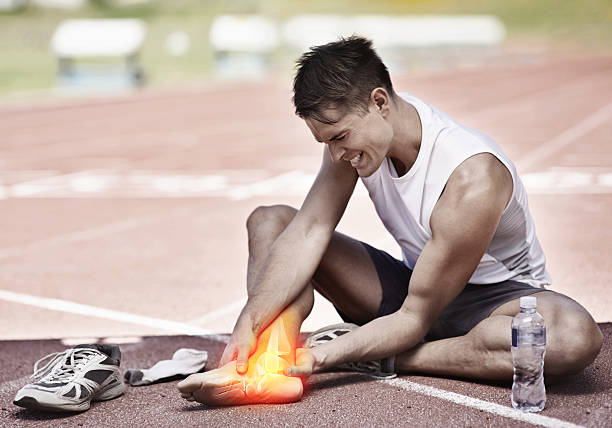
Ankle Sprains are categorised into three types according to the severity of the ligament damage. It is important to know the variation of the injury to determine the appropriate treatment and rehabilitation. Here are the types of ankle sprain:
Mild (Grade 1)
This is the most common type of ankle sprain. The ligaments are stretched slightly, but not torn.
Symptoms include mild pain, tenderness, and possibly some swelling around the ankle. Walking may be slightly uncomfortable but usually possible.
Moderate (Grade 2)
A partial tear of one or more ligaments occurs. Symptoms include moderate pain, swelling, bruising, and instability in the ankle. Walking may be difficult or painful.
Severe (Grade 3)
This is the most serious type of ankle sprain. One or more ligaments are completely torn.
Symptoms include severe pain, significant swelling, bruising, and extreme instability in the ankle. Walking is often impossible without assistance.
Difference Between Fracture, Sprain and Strain
As we understand the categories of sprain. It is vital to remember the differences between fracture, sprain and strain. It is crucial to recognise the differences for proper treatment and approach. Here are the key takeaways:
Fracture: refers to a break or crack in a bone. It can be a complete break or a partial break. Fractures typically result from trauma, such as a fall, twist, or impact, and can vary in severity from minor to severe, potentially requiring immobilisation, casting, or surgery for treatment.
Sprain: an injury to a ligament, which connects bones at joints. It occurs when a joint is forced beyond its normal range of motion, causing the ligament to stretch or tear. Sprains commonly affect joints like the ankle, knee, or wrist and are characterised by symptoms such as pain, swelling, bruising, and difficulty moving the joint.
Strain: is an injury to a muscle or tendon, which connects muscles to bones. It occurs when muscles are stretched or torn beyond their capacity, often due to overuse, improper use, or sudden movements. Strains commonly affect muscles in the back, neck, shoulders, or legs and present with symptoms like pain, muscle spasms, swelling, and limited range of motion.
Applying RICE Method
RICE to the rescue. You don’t need to soak your feet in the rice. This handy acronym stands for four simple steps which can help you heal that ankle, wrist, or whatever joint is feeling worse for wear. Here’s the list.
R-est
Allow the injured area to rest and avoid putting weight or stress on it to prevent further damage.
I-ce
Apply ice wrapped in a cloth or use a cold pack to the injured area for about 15-20 minutes at a time, several times a day. This helps reduce swelling and numbs pain.
C-ompression
Use an elastic bandage or compression wrap to gently compress the injured area. This helps reduce swelling and provides support to the injured joint or muscle.
E-levation
Keep the injured area elevated above the level of the heart whenever possible. This helps reduce swelling by allowing fluid to drain away from the injured area.
Should You Put Ice On Your Sprain?
Applying ice on a sprain is generally recommended as first aid. Icing can be quite helpful in managing the initial discomfort of a sprain. It helps to reduce swelling and numbs pain by constricting blood vessels in the affected area. Applying ice for about 15-20 minutes every few hours in the first 48 hours after the injury can significantly aid in managing symptoms and promoting recovery. Helpful facts and techniques like these can be learned through first aid training.
Should You Worry About Your Sprain?
Generally, mild and moderate sprains can heal on their own by applying the RICE method consistently. However, it still depends on the severity of the sprain. Assessing the sprain at early stages could prevent complications and early recovery. Here are things to remember:
- Intense pain despite medication
- Swelling that worsens or doesn’t improve
- Deformity or unusual position of the joint
- Numbness or tingling
- Inability to put weight on the joint
How To Prevent Future Sprains?
Prevention is better than cure. Preventing future injuries reduces your risk of sprains and keeps your joints healthy. To reduce the risk of future sprains, consider these preventive measures:
- Warm up and stretch: Get your blood flowing and loosen muscles before activity.
- Proper footwear: Wear shoes designed for your activity with good ankle support.
- Watch your step: Be aware of uneven surfaces and potential hazards.
- Listen to your body: Don’t push through pain and take breaks when tired.
- Proper technique: Learn and use the correct form for activities with high sprain risk.
- Recovery is key: Allow enough healing time after a sprain before returning to intense activities.

Rehabilitation and Recovery For Sprains’
After applying RICE, proper rehabilitation and recovery for sprains will focus on restoring strength, flexibility, and function to the injured joint. It’s essential to follow medical advice and rehabilitation guidelines to optimise recovery and minimise the risk of re-injury. Here’s how to rehab and recover:
- Early on (first few days): Reduce pain and inflammation with continued RICE. Gentle movement exercises and pain management are key.
- After initial inflammation: Strengthen muscles around the joint, improve balance with exercises, and stretch gently to regain flexibility.
- Returning to activity: Gradually increase exercise intensity and duration as pain subsides. Don’t rush back – pain-free movement is crucial. Consider functional exercises that mimic your regular activities.
Conclusion
Having awareness of sprains, taking precautionary measures, and following proper treatment actions, can keep your joints healthy and strong and avoid the pain and limitations they can cause. Listening to your body and seeking professional medical advice when necessary are crucial aspects of sprain management and a speedy recovery. Overall, early intervention, and complying with rehabilitation protocols, are crucial for optimal recovery and maintaining joint health. It is best to stay prepared for any emergency, including sprains. CPRFA offers CPR training, childcare first aid courses, and advance first aid courses just to name a few. Enrol to stay prepared today.