
Here are SEO-optimised key takeaways (max 10 bullets) for your Cold vs Influenza article, following the rules you provided:
-
Colds are generally milder than influenza, with symptoms like runny nose, sore throat, and sneezing, while the flu often causes high fever, severe body aches, and extreme fatigue.
-
Influenza develops suddenly and severely, whereas cold symptoms usually appear gradually over a few days.
-
Duration differs: colds last about a week, while flu symptoms can persist one to two weeks, sometimes leading to complications like pneumonia.
-
Both colds and influenza are contagious, spreading through respiratory droplets and contaminated surfaces.
-
Flu tends to be more dangerous, especially for children, elderly adults, pregnant women, and people with chronic health conditions.
-
Hand hygiene, social distancing, vaccination, and a healthy lifestyle are the most effective prevention methods.
-
Treatment for colds and flu focuses on symptom relief, including rest, hydration, OTC medicines, and in some flu cases, doctor-prescribed antivirals.
-
Home remedies such as honey with lemon, ginger tea, warm baths, and adequate hydration can ease discomfort and speed recovery.
-
Seek medical attention if you experience difficulty breathing, chest pain, high fever, or persistent vomiting.
-
First aid training equips you with essential skills to manage colds, influenza, and other common health emergencies with confidence.
As the seasons change, the rampant spread of respiratory illnesses such as colds and influenza tends to increase. Which is worse? Let’s have a matchup between a Cold vs. Influenza.
A cold is generally milder than the flu and is caused by various viruses, with rhinoviruses being the most common. On the other hand, Influenza is caused by the influenza virus and can lead to more severe health issues, including complications like pneumonia. While both are almost similar, understanding their differences, how they spread, and the best prevention and treatment methods can help you manage and reduce the impact of these illnesses on your daily life.

Critical Differences Between Colds and Influenza
Symptoms of a Cold vs. Influenza
Examining the symptoms is one of the best ways to differentiate between a cold and the flu. Colds typically present with a runny or stuffy nose, sore throat, mild cough, and sneezing. You might also experience mild fatigue and body aches.
The flu, however, often includes more intense symptoms such as a high fever, severe body aches, extreme fatigue, and a dry cough. Additionally, the flu can cause headaches, chills, and gastrointestinal symptoms like nausea and diarrhoea, particularly in children.
Onset of Symptoms
The beginning of the symptoms is another distinguishing factor. Cold symptoms usually develop gradually over a few days. You might start with a sore throat, nasal congestion and coughing. In contrast, flu symptoms tend to appear abruptly and can be quite severe from the start. You might go from feeling exceptional to very unwell in hours.
Duration of Illness
The duration of these illnesses also varies. Cold symptoms typically last about a week, with some lasting effects, like a cough or nasal congestion, potentially lasting longer. The flu, however, can last from one to two weeks. Severe cases or complications can delay recovery, especially in individuals with weakened immune systems or underlying health conditions.
Severity of Symptoms
While colds are generally mild and controllable, the flu can be much more severe and draining. The high fever, significant body aches, and extreme fatigue associated with the flu can make it challenging to carry out daily activities. The flu can sometimes lead to serious health complications, requiring medical attention and potentially hospitalization.
How Colds and Influenza Spread
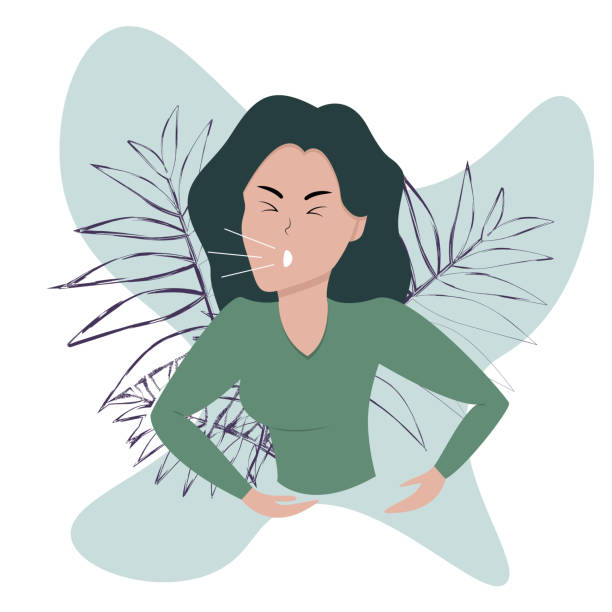
Both colds and influenza are highly infectious. They spread through respiratory droplets when an infected person coughs, sneezes, or talks. These droplets can land in the mouths or noses of people nearby. Additionally, both viruses can spread by touching surfaces or objects contaminated with the virus and touching your face.
Are They Contagious?
Both colds and influenza are contagious. Individuals are typically infectious from the day before symptoms develop and for up to a week afterwards. However, people with the flu can be contagious for longer, especially young children and those with weakened immune systems.
Prevention Tips for Colds and Influenza
Preventing colds and influenza involves several practical steps:
- Hand Hygiene: Wash your hands frequently with soap and water for at least 20 seconds. Use hand sanitiser if soap and water are not available.
- Avoid Close Contact: Stay away from sick people and maintain a safe distance if you are around someone with symptoms.
- Stay Home When Sick: If you feel unwell, stay home to avoid spreading the illness to others.
- Vaccination: Get an annual flu vaccine. It is the most effective way to prevent influenza and its complications.
- Healthy Lifestyle: Maintain a nutritious diet, exercise regularly, and get adequate sleep to strengthen your immune system.
Treatment Options for Colds and Influenza
Treatment for colds and influenza primarily focuses on relieving symptoms. Over-the-counter medications such as decongestants, antihistamines, paracetamols and pain relievers can help manage symptoms. For the flu, a doctor may prescribe antiviral drugs to reduce the severity and duration of the illness, particularly if taken within the first 48 hours of symptom onset.
Home Remedies For Colds And Influenza
Hydration
Staying hydrated is crucial when you are ill. Drinking plenty of fluids helps to thin mucus, making it easier to expel, and keeps your throat moist. Water, herbal teas, and broths are excellent choices.

Honey and Lemon
Honey and lemon can soothe a sore throat and reduce coughing. Honey has natural antibacterial properties, while lemon provides vitamin C, which can boost your immune system. Mix a tablespoon of honey and the juice of half a lemon in a cup of warm water for a soothing drink.

Warm Baths
Taking a warm bath can help reduce fever and relieve body aches. Adding a few drops of essential oils like eucalyptus or lavender can enhance the relaxing effect and help you breathe more easily.

Ginger Tea
Ginger has anti-inflammatory properties that can help soothe a sore throat, reduce nausea, and alleviate body aches. To make ginger tea, slice fresh ginger and simmer in water for 10-15 minutes. Add honey and lemon for additional benefits.

When to Seek Medical Attention
While most cases of colds and influenza can be managed at home, specific symptoms warrant medical attention. Seek help if you experience:
- Difficulty breathing or shortness of breath
- Chest pain or pressure
- Persistent high fever
- Severe or persistent vomiting
- Confusion or sudden dizziness
Individuals at higher risk for complications, such as young children, the elderly, pregnant women, and those with chronic health conditions, should be especially vigilant and seek medical advice promptly.
Conclusion
We understand the differences between colds and influenza, how they spread, and effective prevention and treatment. These strategies can help you manage common illnesses more effectively. By taking proactive measures, using home remedies, and knowing when to seek medical attention, you can reduce the impact of colds and influenza on your daily life. Stay informed and stay prepared by taking learning all you can through a first aid course. This will allow you to prioritize your health and navigate the cold and flu season confidently.