
SEO-Optimised Key Takeaways – Garden Safety & First Aid
-
Gardening Risks Are Real: Even a relaxing hobby involves hazards like cuts, puncture wounds, strains, sunburn, insect bites, and allergic reactions – awareness is key.
-
Cuts & Scrapes Prevention: Wear sturdy gloves, maintain sharp tools, and work carefully to avoid minor injuries that can become infected.
-
Puncture Wound Safety: Protect feet with closed-toe shoes and handle thorny plants carefully; inspect the garden for sharp debris regularly.
-
Prevent Strains & Sprains: Warm up, use proper lifting techniques, bend knees, and take breaks to avoid overexertion and repetitive strain injuries.
-
Sun & Heat Protection: Wear hats, sunglasses, long sleeves, and sunscreen; stay hydrated and take shade breaks to prevent sunburn and heat exhaustion.
-
Allergy & Insect Awareness: Identify plants that trigger reactions, wear protective clothing, and keep antihistamines ready; use insect repellent to reduce bites.
-
Proper Gear Matters: Durable clothing, sturdy gloves, and closed-toe shoes minimise injuries from tools, plants, and insects.
-
Tool Safety Practices: Choose the right tools, keep them clean and sharp, and store them safely to prevent accidents.
-
Manual Handling Best Practices: Lift with legs, avoid twisting, and use wheelbarrows for heavy objects to protect your back and joints.
-
Know When to Seek Emergency Care: Deep cuts, puncture wounds, severe allergic reactions, heat exhaustion, or fractures require prompt medical attention.
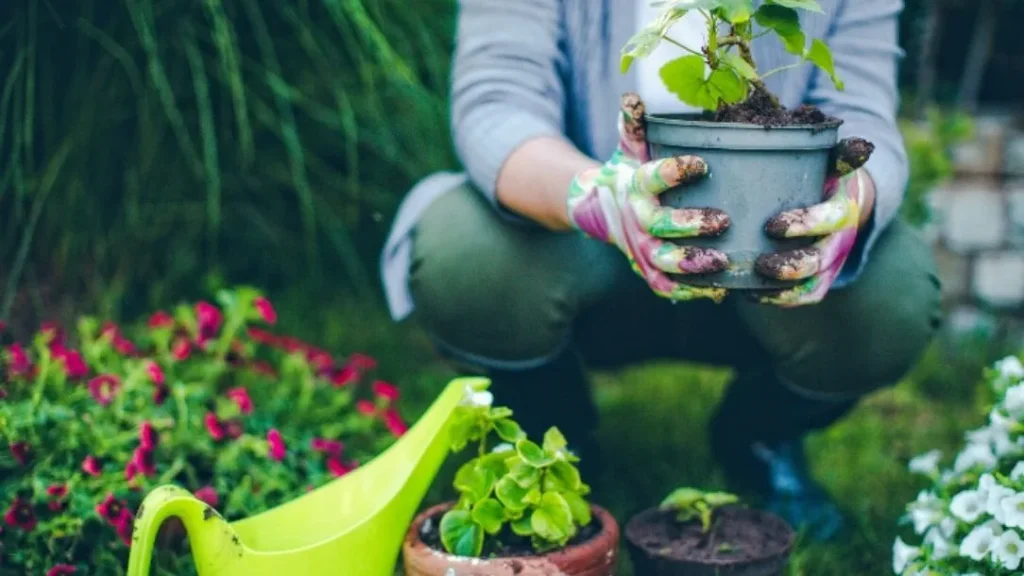
Gardening can be a relaxing and rewarding activity, allowing you to connect with nature, beautify your surroundings, and grow your food. However, it’s not without its risks. While tending to your garden, it’s easy to overlook the hazards of working outdoors, handling tools, and dealing with various plants and insects.
Understanding the Potential Risks and How to Stay Safe
Gardening may seem low-risk, but it involves sharp tools, exposure to the elements, and close contact with potentially harmful plants and insects. Whether you’re an experienced gardener or a hobbyist, you must be aware of the common injuries that can happen and how to prevent them.
Common Gardening Injuries and How to Prevent Them
Cuts and Scrapes
Cuts and scrapes are among the most common injuries in the garden. These minor injuries typically occur when handling tools, trimming plants, or working with thorny bushes. Even though they may seem insignificant, cuts and scrapes can lead to infections if not treated properly.
Prevention Tips:
- Wear sturdy gardening gloves to protect your hands from sharp objects.
- Be cautious when handling tools, ensuring they are sharp and well-maintained to reduce the risk of slipping.
- Take your time when pruning or cutting plants, and avoid working too quickly.
Puncture Wounds
Puncture wounds can be more serious than cuts and scrapes, as they tend to be deeper and are more likely to introduce bacteria into your body. These injuries often result from stepping on sharp objects like nails or getting pricked by thorns.
Prevention Tips:
- Wear closed-toe shoes or boots with thick soles to protect your feet from sharp objects.
- Handle plants with thorns carefully, and use appropriate tools when necessary.
- Regularly inspect your garden for hazards like nails, broken glass, or sharp debris.

Strains and Sprains
Gardening involves a lot of bending, lifting, and repetitive movements, which can lead to strains and sprains. These injuries typically affect the back, shoulders, wrists, and knees and can result from overexertion or improper technique.
Prevention Tips:
- Warm up your muscles before starting any strenuous gardening tasks. A few simple stretches can prevent injuries.
- Use proper lifting techniques, bending at the knees rather than the waist, and avoid twisting your body while lifting heavy objects.
- Take regular breaks to avoid overexertion and fatigue.

Sunburn and Heat Exhaustion
Spending hours outdoors in the sun can lead to sunburn and, in more severe cases, heat exhaustion. Both conditions can have serious consequences if not addressed promptly.
Prevention Tips:
- Wear a wide-brimmed hat, sunglasses, and long-sleeved clothing to protect your skin from the sun.
- Apply sunscreen with a high SPF before heading outside, and reapply it every two hours.
- Stay hydrated by drinking plenty of water, and take breaks in the shade to cool down.

Allergic Reactions
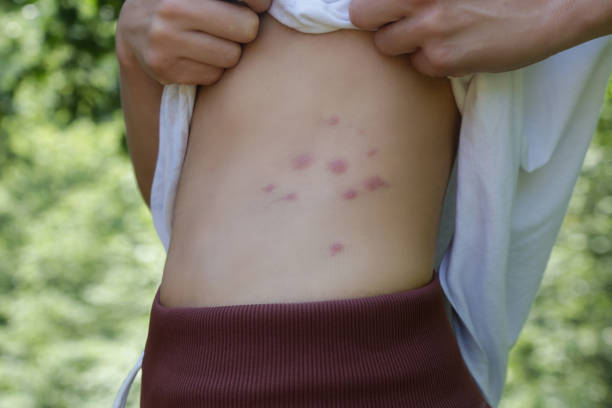
Gardens are full of plants that can trigger allergic reactions, such as poison ivy and insects like bees and wasps. These reactions can range from mild itching to severe swelling or difficulty breathing.
Prevention Tips:
- Learn to identify plants that cause allergic reactions in your area and avoid direct contact with them.
- Wear protective clothing, such as long sleeves and pants, to minimize skin exposure.
- Keep an antihistamine on hand, and be aware of the signs of a severe allergic reaction, which may require emergency medical attention.

Insect Bites
Insect bites and stings are common in gardens, especially from bees, wasps, mosquitoes, and ticks. These bites can be painful and, in some cases, lead to allergic reactions or diseases.
Prevention Tips:
- Use insect repellent on exposed skin to deter mosquitoes and ticks.
- Avoid wearing bright colours or floral patterns that may attract bees and wasps.
- Check yourself for ticks after spending time in the garden, especially if working in tall grass or wooded areas.
Preventative Measures for Safe Gardening
We are now aware of the most common injuries when gardening. Here are some tips to remember to protect yourself without worrying about getting hurt:
Proper Attire and Gear
Dressing appropriately for gardening can significantly reduce the risk of injuries. The proper clothing and gear protect you from hazards like sharp tools, sun exposure, and insect bites.
Safety Tips:
- Wear durable, long-sleeved shirts and pants to protect your skin from scratches, insect bites, and sunburn.
- Use sturdy gloves to protect your hands from cuts, scrapes, and exposure to harmful plants.
- Choose footwear with good grip and closed toes to prevent slips, falls, and puncture wounds.
Choosing the Right Tools
The tools you use in the garden are crucial to your safety, and using the wrong tool or an improperly maintained one can lead to accidents and injuries.
Safety Tips:
- Invest in high-quality tools appropriate for the task at hand. For example, when cutting branches, use pruning shears instead of scissors.
- Keep your tools sharp and clean to ensure they work efficiently and reduce the risk of slipping.
- Store tools in a safe place, out of reach of children and pets, and away from pathways to prevent tripping hazards.
Safe Gardening Practices
Manual Handling
Gardening often involves lifting heavy objects, such as bags of soil or large pots. Improper handling of these items can lead to back injuries and strains.
Safety Tips:
- Always lift with your legs, not your back. Bend your knees, keep your back straight, and use both hands to lift.
- If an object is too heavy to lift, ask for help or use a wheelbarrow to transport it.
- Avoid twisting your body while lifting or carrying heavy items.
Tool Safety
Misusing gardening tools is a common cause of injuries. Proper tool use and maintenance are essential for staying safe in the garden.
Safety Tips:
- Always use the right tool for the job. For instance, a trowel is better for digging small holes than a large shovel.
- Handle sharp tools carefully, and never leave them around where they could cause accidents.
- Regularly check tools for signs of wear and tear and repair or replace damaged tools as needed.
Correct Lifting Practices
Proper lifting techniques are essential for avoiding strains and sprains while gardening.
Safety Tips:
- Keep the load close to your body to reduce strain on your back when lifting.
- Lift with your legs, not your back, and avoid twisting while carrying heavy items.
- If you’re moving heavy items over a distance, use a wheelbarrow or garden cart to make the task easier.
When should you seek emergency care for gardening injuries?
While most gardening injuries are minor and can be treated at home, some require immediate medical attention. Knowing when to seek emergency care can be critical in preventing further complications.
When to Seek Help:
- If you experience severe pain, swelling, or an inability to move a joint, you may have a sprain, strain, or fracture that requires medical evaluation.
- To prevent infection or tetanus, a healthcare professional should treat deep cuts or puncture wounds, especially those caused by rusty or dirty objects.
- If you develop symptoms of heat exhaustion, such as dizziness, nausea, or confusion, move to a cool place, drink water, and seek medical help if symptoms persist.
- Severe allergic reactions, such as difficulty breathing, swelling of the face or throat, or hives, require immediate emergency care.
Conclusion
Gardening is a fulfilling hobby that offers numerous physical and mental benefits, but it’s essential to prioritize safety to avoid injuries. Taking a first aid course can help you handle cuts, wounds, anaphylaxis, and much more. By knowing the potential risks, wearing appropriate attire, using the right tools, and following safe gardening practices, you can enjoy your time in the garden without unnecessary mishaps.