
SEO Key Takeaways – Heart Health & World Heart Day 2024
-
Cardiovascular disease (CVD) is the world’s leading killer, causing over 20 million deaths annually, highlighting the importance of heart health awareness.
-
World Heart Day (29 September) raises global awareness on CVD, promoting preventive measures and healthier lifestyles.
-
Theme 2024: “Use Heart for Every Action” – encourages personalised approaches to heart health, considering physical, mental, and emotional well-being.
-
Common types of CVD include coronary artery disease, heart failure, stroke, arrhythmias, peripheral artery disease, rheumatic heart disease, and cardiomyopathy.
-
Key risk factors: poor diet, physical inactivity, smoking, excessive alcohol, high blood pressure, obesity, and genetic predispositions.
-
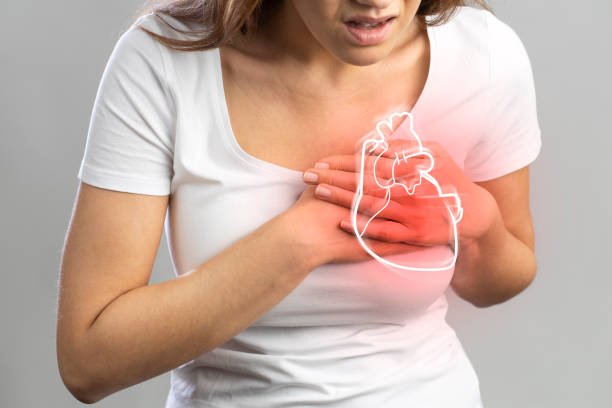
Heart attack warning signs: chest pain, shortness of breath, nausea, lightheadedness, and pain radiating to arm, neck, or jaw; call emergency services immediately.
-
Preventive strategies: adopt a heart-healthy diet, exercise regularly, quit smoking, manage stress, monitor blood pressure and cholesterol, limit alcohol, and maintain a healthy weight.
-
Australian impact: CVD causes 1 in 4 deaths; approximately 1.3 million Australians live with cardiovascular disease, with prevalence increasing with age.
-
Lifestyle modifications can significantly reduce CVD risk and improve overall quality of life.
-
World Heart Day 2024 is a reminder to commit to heart health, encourage community awareness, and implement practical preventive measures globally.
A healthy heart is the cornerstone of overall well-being. It’s a vital organ that tirelessly pumps blood throughout the body. Taking care of your heart requires a holistic approach encompassing lifestyle choices, diet, and regular medical check-ups. A healthy ticker means a better quality of life. Let’s explore how you can keep it pumping strong.

The World’s Biggest Killer
When we think of the most significant threats to human life, diseases like cancer or pandemics might come to mind. However, the world’s biggest killer isn’t as sensational but is equally—if not more—deadly: cardiovascular disease (CVD). Each year, millions of people around the world lose their lives to conditions related to the heart and blood vessels. As we approach World Heart Day 2024, we must reflect on the importance of heart health and the measures we can take to protect it.

History of World Heart Day
World Heart Day is a global event that takes place every year on 29 September. It was first established in 2000 by the World Heart Federation in collaboration with the World Health Organization (WHO). The day was created to raise awareness about cardiovascular diseases, which are the leading cause of death globally. By dedicating a day to heart health, the hope is to educate the public about preventive measures and encourage healthier lifestyles to reduce the risk of heart-related illnesses.

The theme of World Heart Day 2024
The theme for World Heart Day 2024 is “Use Heart for Every Action.” This theme emphasizes the importance of understanding the unique risk factors and challenges each faces concerning heart health. It calls for personalized approaches to heart health that consider not just physical aspects but also mental and emotional well-being. The theme encourages people to “use their heart” by making informed decisions, spreading awareness, and supporting others in their journey towards better heart health.
Importance of World Heart Day
World Heart Day serves as a crucial reminder of the global burden of cardiovascular diseases. As per the World Heart Federation, about 20.5 million people are killed every year, and the majority of these deaths happen in low- and middle-income countries. It brings together governments, healthcare professionals, communities, and individuals to proactively combat these diseases. The day is marked by various activities worldwide, including health screenings, awareness campaigns, fitness events, and educational seminars. World Heart Day aims to reduce the global mortality rate caused by cardiovascular diseases.
What Is Cardiovascular Disease?
Cardiovascular disease (CVD) refers to a group of disorders of the heart and blood vessels. It encompasses a wide range of conditions that affect the heart’s function and blood circulation throughout the body. These conditions can lead to severe health issues, including:
- Heart attacks
- Strokes
- Heart failure
CVD is often linked to lifestyle factors such as poor diet, lack of exercise, smoking, and excessive alcohol consumption, but it can also result from genetic predispositions.
Types of Cardiovascular Diseases
Understanding the different types of cardiovascular diseases is essential for recognizing symptoms and seeking timely medical attention. Here are some of the most common types:
Abnormal Heart Rhythms
Abnormal heart rhythms, or arrhythmias, occur when the heart beats too fast, slow, or irregularly. These irregularities can range from harmless to life-threatening. Arrhythmias are often caused by issues with the heart’s electrical system, which controls the heartbeat. Some common types include atrial fibrillation, bradycardia, and tachycardia.
Coronary Artery Disease (CAD)
Coronary Artery Disease is the most common type of heart disease and is a leading cause of heart attacks. It occurs when the arteries that supply blood to the heart become narrowed or blocked due to plaque buildup. This restriction reduces blood flow to the heart muscle, leading to chest pain (angina) and potentially causing a heart attack.
Hypertension (High Blood Pressure)
Hypertension, or high blood pressure, is often called the “silent killer” because it usually has no symptoms until significant damage has occurred. High blood pressure puts extra strain on the heart and blood vessels, increasing the risk of heart attacks, strokes, and other cardiovascular issues. It’s a significant contributing factor to the development of CVD.
Heart Failure
Heart failure occurs when the heart cannot pump blood effectively to meet the body’s needs. This can result from various conditions, including coronary artery disease, hypertension, and previous heart attacks. Heart failure can lead to shortness of breath, fatigue, and fluid retention.
Stroke
A stroke happens when the blood supply to part of the brain is interrupted or reduced, preventing brain tissue from getting enough oxygen and nutrients. This can cause brain cells to die within minutes, leading to long-term disability or death. Strokes are closely linked to cardiovascular health, often resulting from blood clots or blocked arteries.
Peripheral Artery Disease (PAD)
Peripheral Artery Disease (PAD) affects the blood vessels outside the heart and brain, often the arteries that supply blood to the legs. PAD is caused by the buildup of fatty deposits in the arteries, which reduces blood flow. This can result in pain, cramping, and, in severe cases, gangrene or amputation.
Rheumatic Heart Disease
Rheumatic Heart Disease is caused by rheumatic fever, an inflammatory disease that can develop after a strep throat infection. The condition can damage the heart valves and lead to long-term heart problems. Although less common in developed countries, it remains a significant health issue in developing regions.
Cardiomyopathy
Cardiomyopathy refers to diseases of the heart muscle that make it harder for the heart to pump blood to the rest of the body. It can lead to heart failure and is often caused by genetic factors, chronic high blood pressure, or prolonged alcohol abuse. There are different types of cardiomyopathy, including dilated, hypertrophic, and restrictive.
How Many Australians Are Affected by Cardiovascular Disease?
In Australia, cardiovascular disease is a leading cause of death and disability. According to the Australian Bureau of Statistics, CVD accounts for one in four deaths in the country. It’s estimated that around 1.3 million Australians are currently living with CVD. Heartstroke and vascular disease were slightly more common in males than females. Prevalence increased with age, from 0–44 years to people aged 75 years and over. However, risk factors such as obesity, smoking, and poor diet are contributing to its occurrence in younger populations as well.
What Actions to Take When Experiencing Heart Attack Symptoms?
Recognising the symptoms of a heart attack and taking immediate action can be life-saving. Common symptoms include:
- Chest pain or discomfort
- Shortness of breath
- Nausea
- Lightheadedness
- Pain in the arm, neck, or jaw.
If you or someone around you experiences these symptoms, it’s crucial to call emergency services immediately.
How to Prevent Cardiovascular Diseases?
Prevention is vital when it comes to cardiovascular diseases. Here are some steps you can take to reduce your risk:
- Adopt a Heart-Healthy Diet: Eat a balanced diet rich in fruits, vegetables, whole grains, lean proteins, and healthy fats. Limit your intake of saturated fats, trans fats, sodium, and added sugars.
- Exercise Regularly: Physical activity helps strengthen the heart, improve circulation, and maintain a healthy weight.
- Quit Smoking: Smoking is a significant risk factor for CVD. Quitting smoking can significantly reduce your risk and improve overall heart health.
- Manage Stress: Chronic stress can contribute to heart disease. Practice stress-reducing techniques such as meditation, deep breathing, and regular physical activity.
- Monitor Blood Pressure and Cholesterol Levels: Regular check-ups can help you monitor your blood pressure and cholesterol levels, critical indicators of heart health.
- Limit Alcohol Consumption: Excessive alcohol intake can increase blood pressure and contribute to heart disease. Stick to recommended guidelines for alcohol consumption.
- Maintain a Healthy Weight: Being overweight or obese increases the risk of CVD. Focus on achieving and maintaining a healthy weight through diet and exercise.
Conclusion
Cardiovascular disease remains the world’s leading cause of death, but it is largely preventable through lifestyle changes and early intervention. World Heart Day is a momentous occasion to remind ourselves of our hearts’ critical role in our overall health. Let’s use this World Heart Day to commit to heart-healthy choices, not just for ourselves but for every heart worldwide.