

SEO Key Takeaways – Basic Life Support (BLS)
-
Essential Life-Saving Skills: Basic Life Support (BLS) equips Australians with critical skills to respond effectively to cardiac arrest, choking, or drowning emergencies.
-
Immediate Action Saves Lives: Performing BLS promptly maintains oxygenated blood flow to vital organs, significantly increasing survival rates.
-
CPR is Crucial: Cardiopulmonary Resuscitation (CPR) is a core BLS skill that can double or triple survival chances during cardiac arrest.
-
AED Integration: Using an Automated External Defibrillator (AED) with CPR drastically improves outcomes by restoring normal heart rhythm quickly.
-
DRSABCD Action Plan: Following this structured emergency response (Danger, Response, Send for Help, Airway, Breathing, CPR, Defibrillator) ensures systematic and effective intervention.
-
Common Emergencies Preparedness: BLS training prepares Australians for real-life incidents at home, workplaces, or outdoors, including choking, shock, and severe allergic reactions.
-
Choking Response: Mastering back blows, chest thrusts, and the Heimlich maneuver can prevent unconsciousness or death from airway obstructions.
-
Managing Shock & Allergies: Recognising symptoms of shock or anaphylaxis and taking correct stabilising actions supports victim survival until expert arrive.
-
Regular Refresher Courses: Continuous BLS training maintains competency and confidence, keeping skills aligned with the latest Australian guidelines.
-
First Aid Certification Benefits: Obtaining formal BLS certification through accredited Australian providers enhances workplace safety compliance and personal emergency preparedness.
Knowing Basic Life Support (BLS) equips you with essential skills that can mean the difference between life and death in emergencies. Whether it’s a loved one experiencing a cardiac arrest at home, a colleague choking at work, or a stranger collapsing in a public place, immediate action is crucial. This knowledge empowers you to act confidently during critical moments and significantly increases the chances of survival and recovery for those in need.
What is Basic Life Support?
Essential Life Support (BLS) is a set of life-saving techniques that can be used in emergencies to assist individuals who are experiencing life-threatening events like cardiac arrest, choking, or drowning. These techniques focus on:
- Maintaining an open airway
- Supporting breathing
- Facilitating circulation until professional medical help arrives.
BLS is a critical skill set, not only for healthcare professionals but also for everyday people, as emergencies can happen at any time—at home, in the workplace, or while enjoying outdoor activities.
Why Basic Life Support Matters in Emergencies
In emergencies, every second counts. When someone’s heart stops beating or breathing, their chances of survival diminish rapidly. Without oxygen, the brain can begin to suffer irreversible damage within minutes. By performing Basic Life Support, bystanders can help stabilize the victim until expert arrive, significantly improving their chances of survival.
How BLS Skills Save Lives
When someone collapses from cardiac arrest or suffers a severe injury, immediate action is critical. Performing BLS correctly can keep oxygenated blood flowing to vital organs, especially the brain, until emergency services take over. Cardiopulmonary Resuscitation (CPR), one of the most crucial components of BLS, can double or even triple a person’s chance of survival in cardiac arrest cases.
An Automated External Defibrillator (AED) can also quickly restart a heart’s normal rhythm. These actions buy precious time and can drastically change the outcome of an emergency.
Critical Basic Life Support Skills Everyone Should Learn
Basic Life Support skills are practical and straightforward, but they can have a significant impact during an emergency. Whether you’re at home with your family, in the workplace, or spending time outdoors, knowing these essential BLS techniques can prepare you to respond effectively.
CPR: A Lifesaving Skill for Cardiac Arrest Victims
Cardiopulmonary Resuscitation (CPR) is one of the most important skills you can learn as part of BLS. When someone suffers from cardiac arrest, CPR involves chest compressions combined with rescue breaths to help maintain circulation and breathing. Cardiac arrest can happen to anyone, whether it’s due to a sudden heart condition or a drowning incident at the beach. Immediate CPR can prevent brain damage and increase the chance of survival before medical professionals arrive. Learn how to properly deliver this life-saving action by taking a CPR course.
Using an Automated External Defibrillator (AED)
AEDs are now easily accessible in many public places across Australia, such as shopping centres, gyms, and airports. An AED device helps restart the heart when it stops beating due to cardiac arrest. It analyzes the heart’s rhythm and delivers an electric shock if needed. Incorporating an AED with CPR greatly enhances the victim’s chances of survival.
The DRSABCD Action Plan: A Step-by-Step Guide
The DRSABCD action plan is a fundamental part of BLS, providing a structured approach to responding to emergencies. The acronym stands for:
- D: Check for Danger – Ensure the area is safe for you, the victim, and others.
- R: Check for Response – Tap the person and shout to see if they respond.
- S: Send for Help – Call triple zero (000) for emergency services.
- A: Open the Airway – Tilt the head back and lift the chin to open the airway.
- B: Check for Breathing – Look, listen, and feel for normal breathing.
- C: Start CPR – If the person is not breathing, begin chest compressions and rescue breaths.
- D: Use a Defibrillator – Apply an AED as soon as one is available.
This simple plan ensures you follow the correct steps in sequence, giving the person the best chance of survival while waiting for professional help.

Common Emergencies in Australian Homes, Workplaces, and Outdoors
Emergencies can occur anywhere, at any time, whether at home, in the workplace, or while enjoying Australia’s vast outdoor spaces. Being prepared with BLS skills ensures you’re ready to handle these everyday emergencies.
Choking Hazard
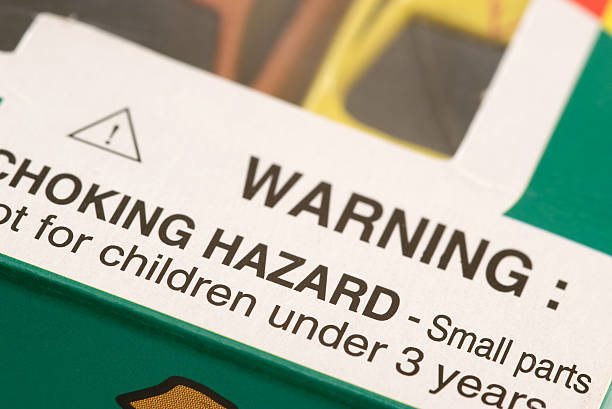
Choking is a typical emergency, especially in homes where young children or elderly individuals may accidentally swallow food or objects that block their airways. The Heimlich maneuver, or how it provides back blows and chest thrusts, can quickly relieve a choking incident. Being able to respond immediately is vital, as choking can lead to unconsciousness or death within minutes.
Dealing with Shock
Shock can occur in various emergencies, such as after a severe injury, heart attack, or allergic reaction. Shock happens when the body isn’t getting enough blood flow, which can lead to organ failure if not treated quickly. The key is to recognise the symptoms such as:
- Pale
- Clammy skin
- Rapid breathing
- Weakness
By laying the person down, elevating their legs, and keeping them warm, you can help stabilize their condition until expert arrive.

Managing Allergies
In Australia, allergic reactions are common, especially to insect bites or food allergies. Severe allergic reactions (anaphylaxis) require immediate intervention with adrenaline (EpiPen) to prevent the airway from closing. Having BLS training means recognizing the symptoms of anaphylaxis, such as:
- Swelling,
- Difficulty breathing
- Rapid heartbeat

Why Regular BLS Refresher Courses are Essential
Basic life support skills should be refreshed regularly to ensure you are current with the latest guidelines and techniques. Over time, people may forget critical steps or change procedures based on new research. Refresher courses ensure you stay confident and ready to act effectively in an emergency, whether at home, work, or outdoors.
First Aid Certification: What Australians Need to Know
Obtaining BLS certification is straightforward in Australia, with many accredited organizations offering courses like CPR First Aid. These courses often cover CPR, AEDs, and other life-saving techniques tailored to Australian guidelines. Many workplaces require employees to undergo first aid certification as part of their occupational health and safety requirements. Additionally, certification is valid for a set period, usually two to three years, after which a first aid refresher course is recommended to maintain your skills.
Conclusion
Every Australian should learn essential life support. Whether at home, in the workplace, or enjoying the great outdoors, emergencies can strike anytime, and knowing how to respond quickly and effectively can save lives. Stay current with your BLS knowledge through refresher courses, and consider obtaining formal first aid certification to equip yourself with the confidence and skills to act in any emergency.