

EO Key Takeaways – Sedentary Lifestyle & Health (Australia)
-
Definition & Risks: A sedentary lifestyle involves minimal physical activity, often from prolonged sitting at desks, watching screens, or commuting, leading to long-term health risks.
-
Prevalence in Australia:
-
55% of adults do not meet recommended physical activity guidelines.
-
44% of working-age adults sit for most of the workday.
-
Only 24% of children aged 5–14 achieve 1 hour of daily activity; 70% of 2–17-year-olds fall short of guidelines.
-
-
Weight Gain & Metabolism: Inactivity slows metabolism and encourages fat storage, making it harder to maintain a healthy weight.
-
Cardiovascular Health: Prolonged sitting raises blood pressure and cholesterol levels, increasing the risk of heart disease.
-
Diabetes Risk: Sedentary behaviour contributes to insulin resistance, raising the likelihood of type 2 diabetes.
-
Musculoskeletal Issues: Poor posture from prolonged sitting leads to tight neck, shoulder, and back muscles, causing discomfort and chronic pain.
-
Serious Circulatory Conditions: Inactivity can trigger deep vein thrombosis (DVT) due to slowed blood circulation, which may be life-threatening.
-
“Sitting Is the New Smoking”: Extended sitting is linked to a 19% higher risk of early mortality and shares chronic disease risks similar to smoking.
-
Counteracting Inactivity: Incorporate at least 30 minutes of moderate-intensity activity daily (walking, cycling, swimming) and break up long sitting periods at work with standing or stretching.
-
Lifestyle & Diet: Combine regular movement with a nutrient-rich diet (fruits, vegetables, whole grains, lean protein) to maintain weight, energy, and overall health, while reinforcing readiness through first aid skills when necessary.
As the modern world shifts towards convenience, more people have little to no physical activity, whether long hours spent sitting at a desk, watching TV, or commuting. While prolonged inactivity might initially seem harmless, it can profoundly affect the body. Let’s explore what a sedentary lifestyle is and how you can take action to protect your health.
What Is a Sedentary Lifestyle?
The term ‘sedentary’ refers to inactive, with minimal energy expenditure. A lack of physical activity characterizes a sedentary lifestyle. One prime example includes sitting or lying down for extended periods, whether working at a desk, watching TV, or engaging with electronic devices.
Consistently low levels of movement can harm the body in the long run. Our bodies are designed for movement, and several health risks can arise without regular activity.

Sedentary Habits in Australia
Australia has witnessed a growing trend towards inactivity among adults and younger populations. Let’s examine these trends more closely.
Adults
According to a report by the Australian Bureau of Statistics and the Australian Institute of Health and Welfare:
- Nearly 55% of adults do not meet the recommended guidelines for physical activity. This statistic reflects how a sedentary lifestyle is becoming the norm.
- And almost half (44%) of working-age adults spend much of their workday sitting.
Children and Young Adults
The sedentary trend isn’t limited to adults. With the rise of technology, Australian children and young adults are also becoming more sedentary. Digital entertainment, including video games and social media, encourages hours of sitting, and even school environments often require students to be seated for most of the day. According to the Australian Institute of Health and Welfare:
- Only 24% of children aged 5-14 meet the recommended one hour of daily physical activity, further demonstrating the country’s growing problem with inactivity.
- 2 in 3 (70%) children aged 2 to 17 do not meet the physical activity guidelines
- Only 2% of teenagers aged 13 to 17 meet the guidelines
What Are the Effects of a Sedentary Lifestyle on Your Body?
Sedentary behaviour may feel comfortable in the short term, but its long-term effects on your body are far from pleasant. Let’s dive into some significant health risks associated with prolonged inactivity.
Weight
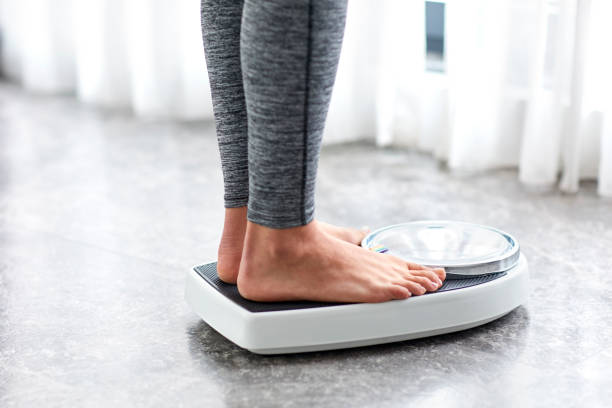
One of the most apparent consequences of a sedentary lifestyle is weight gain. When we consume more calories than we burn through physical activity, those extra calories are stored as fat, leading to weight gain. Inactive lifestyles can also make it harder to maintain a healthy weight as the body’s metabolism slows down.
Heart Disease
Heart disease is one of the most significant risks associated with prolonged inactivity. Regular physical activity helps strengthen the heart and improve circulation. However, sitting for extended periods can contribute to higher blood pressure and cholesterol levels, critical factors in developing cardiovascular diseases.

Diabetes
Inactivity is closely linked to type 2 diabetes. A sedentary lifestyle reduces the body’s ability to regulate insulin effectively, leading to insulin resistance. Without regular physical activity, the body’s cells become less responsive to insulin, causing higher blood sugar levels and increasing the risk of developing diabetes.

Tight Neck and Shoulders
If you spend hours hunched over a desk or staring at a screen, you’re probably familiar with tight neck and shoulder discomfort. Prolonged sitting, especially with poor posture, can strain the muscles in these areas, leading to stiffness, discomfort, and even chronic pain.

Deep Vein Thrombosis (DVT)
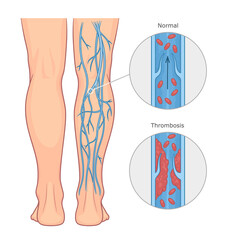
DVT is a serious condition where blood clots form in deep veins, usually in the legs, often due to prolonged inactivity. When sitting for long periods, especially in cramped conditions, blood circulation slows down, increasing the risk of clot formation. These clots can be life-threatening if they travel to the lungs or heart.
Why Prolonged Sitting Is the New Smoking?
The phrase “sitting is the new smoking” has become popular in recent years—and for a good reason. While sitting doesn’t have the immediate harmful effects of smoking, its long-term impact on health is comparably dangerous. Both tobacco and sitting for extended periods contribute to chronic diseases such as heart disease, diabetes, and even cancer.
Sedentary behaviour has become a significant risk factor for early mortality. Studies have shown that sitting for over six hours a day increases the risk of death by 19%, even for people who engage in regular exercise. Like smoking, the dangers of prolonged sitting are cumulative, meaning the more you do it, the greater the risk to your health.
How Can You Protect Your Health From the Risks of Prolonged Sitting?
The good news is that there are ways to protect your health and counteract the effects of prolonged sitting. By making small lifestyle changes, you can significantly improve your overall well-being.
Physical Activity
The simplest way to combat a sedentary lifestyle is through regular physical activity. Aim for at least 30 minutes of moderate-intensity exercise most days of the week. This could include activities like:
- Brisk walking
- Cycling
- Swimming
- or even household chores.
Any movement is better than none, and incorporating physical activity into your routine can help reduce the risk of many sedentary-related health issues.

Be Active at Work
If you have a desk job, try incorporating movement into your workday. Stand up and stretch every 30 minutes, or take a short walk during your lunch break. Consider investing in a standing desk or using a stability ball as a chair to engage your muscles. Simple actions like taking the stairs instead of the elevator or walking over to a colleague’s desk instead of sending an email can make a significant difference over time.

Eating a Balanced Diet
While physical activity is essential, maintaining a balanced diet is equally important in protecting your health. A sedentary lifestyle often leads to overeating or choosing unhealthy, convenient foods. Prioritize nutrient-rich foods such as fruits, vegetables, whole grains, and lean proteins. A well-balanced diet will help you maintain a healthy weight and improve your energy and overall well-being.


How to Minimize Your Inactive Habits?
Reducing your sedentary behaviour doesn’t require drastic changes—it’s all about finding opportunities to move more throughout the day. Here are some simple strategies to minimize inactive habits:
- Set Movement Reminders: Use alarms or apps to remind you to get up and move every hour.
- Walk or Bike: Choose walking or biking over driving or public transport whenever possible.
- Break Up Sitting Time: If you know you’ll be sitting for an extended period, find ways to break up your sitting time. Stand during phone calls or watching TV, and stretch or walk during breaks.
- Incorporate Activity into Socializing: Instead of meeting friends for coffee or dinner, suggest active outings like hiking, walking around a park, or even playing a sport.
Conclusion
Living a sedentary lifestyle is becoming more common in Australia, with far-reaching effects on people of all ages. The good news is that the risks associated with prolonged sitting can be mitigated with regular physical activity, mindful habits, and a balanced diet. Whether you’re an adult working long hours or a child glued to a screen, making conscious efforts to move more and sit less can have lasting benefits on your overall health. Remember, even small changes can add up, and staying active can significantly improve your quality of life. If things were ever to get out of hand, make sure you are ready to spring into action by equipping yourself with the right skills through first aid training.