
SEO-Optimised Key Takeaways – Blood Pressure
-
Definition of Blood Pressure: Blood pressure measures the force of blood against artery walls, expressed as systolic over diastolic (mmHg), reflecting heart activity and resting periods.
-
Understanding Readings:
-
Systolic: Pressure during heartbeats.
-
Diastolic: Pressure while the heart rests.
-
-
Blood Pressure Categories:
-
Normal: <120/<80 mmHg
-
Elevated: 120–129/<80 mmHg
-
Hypertension Stage 1: 130–139/80–89 mmHg
-
Hypertension Stage 2: ≥140/≥90 mmHg
-
Hypertensive Crisis: >180/>120 mmHg (urgent care needed)
-
-
Importance of Monitoring: Early detection of hypertension, prevention of complications (heart disease, stroke, kidney damage), tracking treatment progress, and empowering patients to manage their health.
-
Optimal Measurement Times: Measure consistently at the same times daily—ideally morning before activity and evening—to track patterns and fluctuations.
-
Accurate Measurement Tips: Rest for 5 minutes before measuring, maintain correct posture, avoid caffeine, nicotine, heavy meals, and use validated devices.
-
Health Risk Factors: Age, family history, obesity, sedentary lifestyle, poor diet, high sodium intake, alcohol use, and stress increase the risk of high blood pressure.
-
Lifestyle Management:
-
Balanced diet: fruits, vegetables, whole grains, healthy fats, low sodium
-
Regular physical activity: 150 minutes/week + strength training
-
Weight management: aim for gradual, sustainable loss
-
Stress reduction: yoga, meditation, relaxation routines
-
-
Avoid Harmful Habits: Quit smoking and limit alcohol to reduce blood pressure and overall cardiovascular risk.
-
When to Seek Medical Attention: Consistently high readings (≥140/90 mmHg), sudden spikes, or symptoms like chest pain, severe headache, or vision problems require professional care.
What is Blood Pressure?
Blood pressure refers to the force that blood exerts on the walls of the arteries as the heart pumps it around the body. It is measured in millimetres of mercury (mmHg) and is represented by two numbers: the systolic pressure (when the heart beats) over the diastolic pressure (when the heart rests).
Understanding Blood Pressure Readings
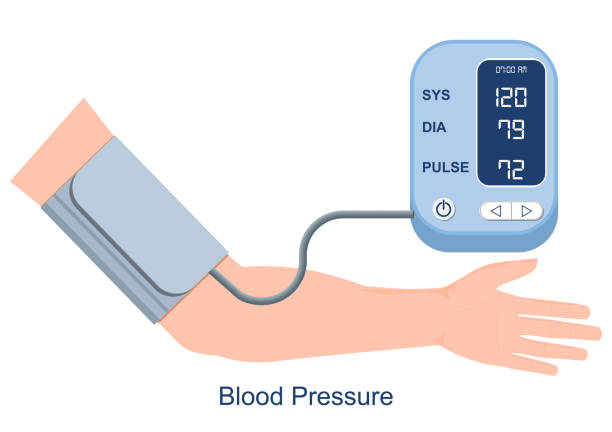
Blood pressure readings are expressed in millimetres of mercury (mmHg) and consist of two numbers:
- Systolic Pressure (the top number): This measures the pressure in the arteries when the heart beats. It reflects how hard the heart is working to pump blood.
- Diastolic Pressure (the bottom number) measures the pressure in the arteries when the heart rests between beats and indicates the pressure in the arteries when the heart fills with blood.
Categories of Blood Pressure Readings:
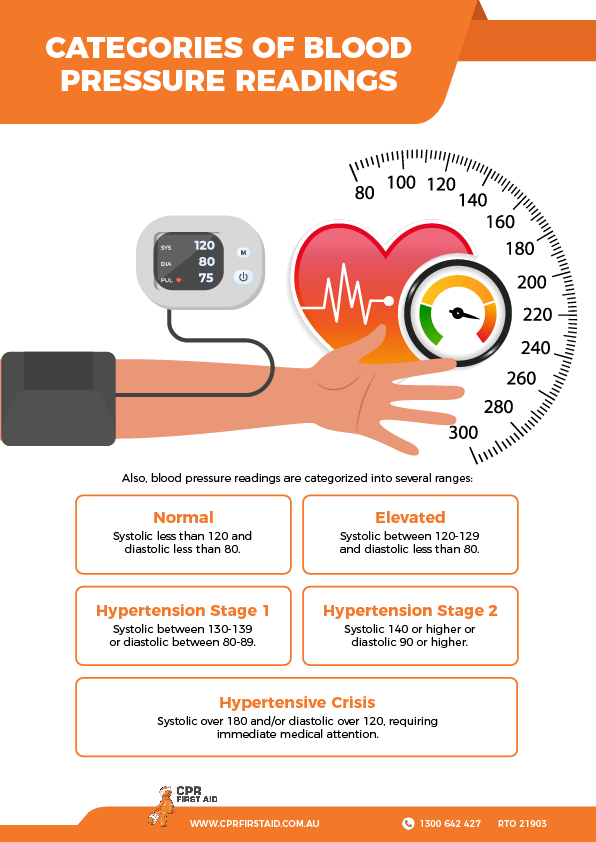
Also, blood pressure readings are categorized into several ranges:
- Normal: Systolic less than 120 and diastolic less than 80.
- Elevated: Systolic between 120-129 and diastolic less than 80.
- Hypertension Stage 1: Systolic between 130-139 or diastolic between 80-89.
- Hypertension Stage 2: Systolic 140 or higher or diastolic 90 or higher.
- Hypertensive Crisis: Systolic over 180 and diastolic over 120, requiring immediate medical attention.
Why is it Important to Monitor Blood Pressure?
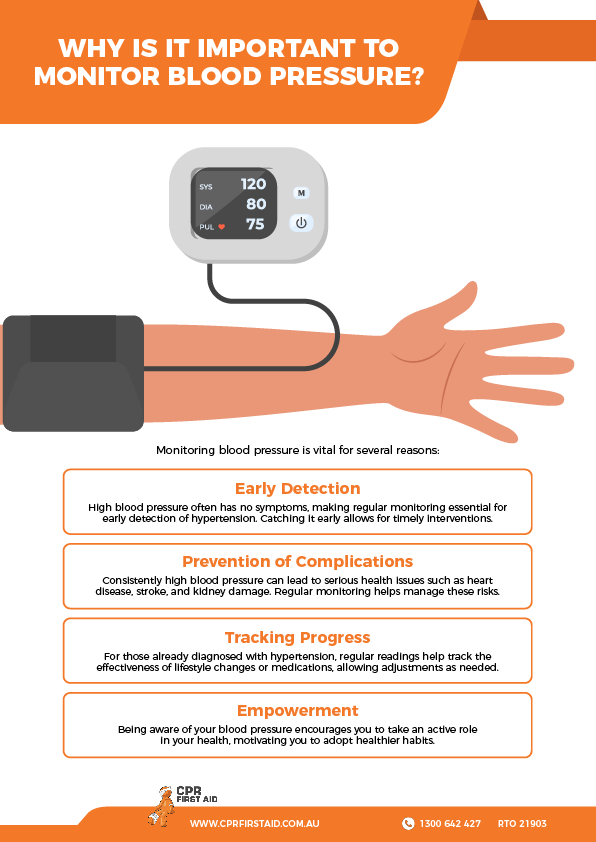
Monitoring blood pressure is vital for several reasons:
- Early Detection: High blood pressure often has no symptoms, making regular monitoring essential for early detection of hypertension. Catching it early allows for timely interventions.
- Prevention of Complications: Consistently high blood pressure can lead to serious health issues such as heart disease, stroke, and kidney damage. Regular monitoring helps manage these risks.
- Tracking Progress: For those already diagnosed with hypertension, regular readings help track the effectiveness of lifestyle changes or medications, allowing adjustments as needed.
- Empowerment: Being aware of your blood pressure encourages you to take an active role in your health and motivates you to adopt healthier habits.
When is the Best Time to Take Blood Pressure?
Healthcare professionals often recommend measuring blood pressure at the same time each day, ideally in the morning before any activities and again in the evening. This consistency helps track fluctuations and identify patterns over time.
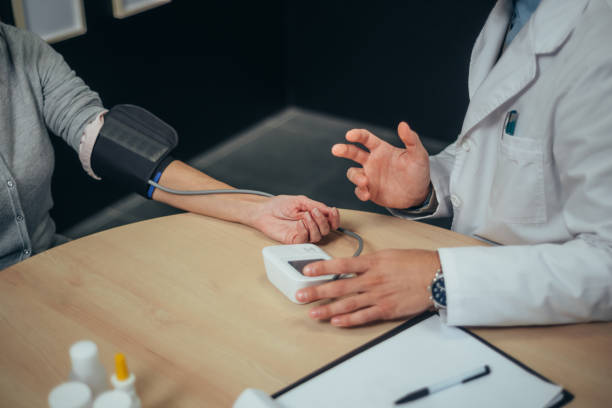
Factors to Consider in Taking Blood Pressure:
- Rest: Sit quietly for at least five minutes before measuring. This helps ensure your reading is not elevated due to recent activity or stress.
- Positioning: Sit with your back supported, feet flat on the floor, and arm at heart level. This positioning promotes more accurate readings.
- Avoid Stimulants: Refrain from caffeine, nicotine, and heavy meals before measuring, as these can temporarily raise blood pressure.
By following these recommendations, you can ensure that your blood pressure readings are as accurate as possible, providing valuable insights into your health.
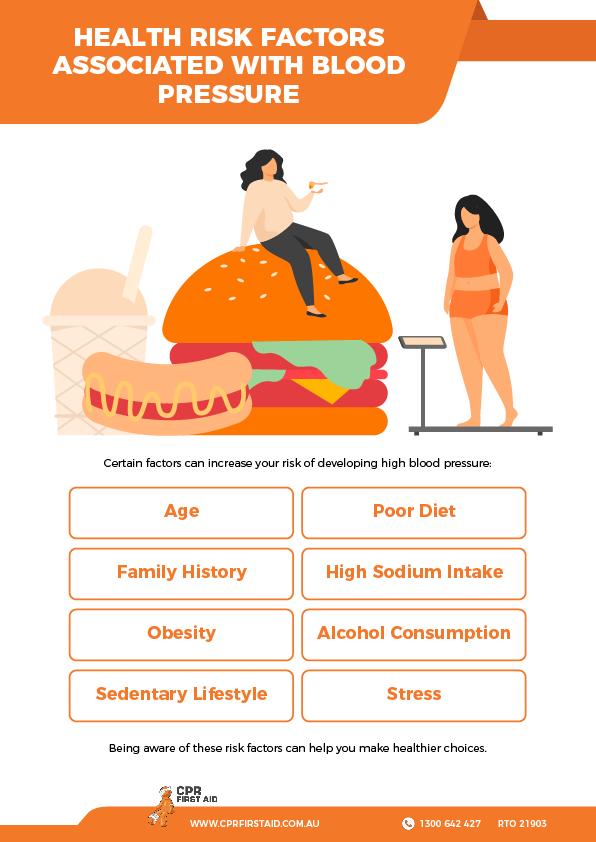
Health Risk Factors Associated with Blood Pressure
Certain factors can increase your risk of developing high blood pressure:
- Age
- Family History
- Obesity
- Sedentary Lifestyle
- Poor Diet
- High Sodium Intake
- Alcohol Consumption
- Stress
Being aware of these risk factors can help you make healthier choices.
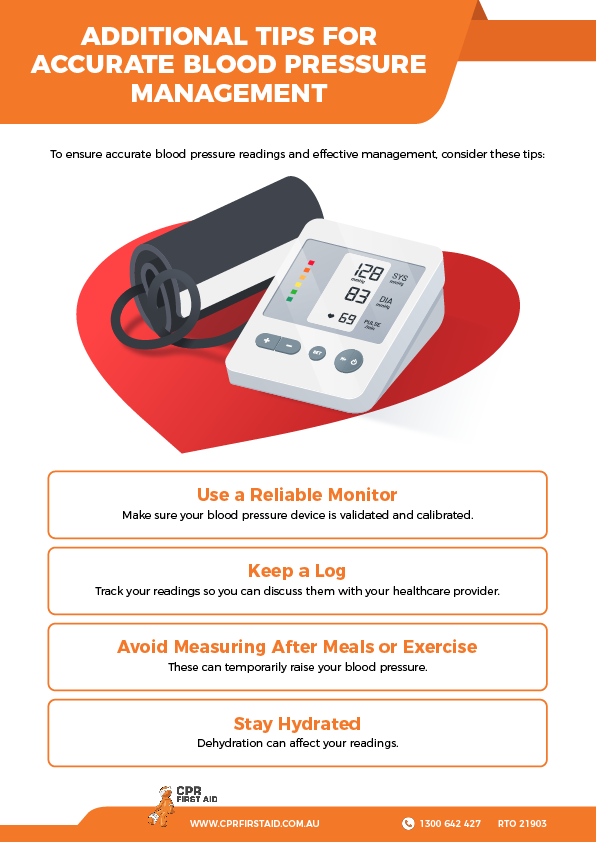
Additional Tips for Accurate Blood Pressure Management
To ensure accurate blood pressure readings and effective management, consider these tips:
- Use a Reliable Monitor: Make sure your blood pressure device is validated and calibrated.
- Keep a Log: Track your readings to discuss them with your healthcare provider.
- Avoid Measuring After Meals or Exercise: These can temporarily raise blood pressure.
- Stay Hydrated: Dehydration can affect your readings.
When to Seek Medical Attention
You should contact a healthcare professional if you notice:
- Consistently high readings (above 140/90 mmHg)
- Symptoms like severe headaches, vision problems, chest pain, or shortness of breath
- A sudden spike in blood pressure
Getting help early can prevent serious health issues.

The Role of Lifestyle in Blood Pressure Management
Managing blood pressure effectively involves more than just monitoring readings; your lifestyle choices play a significant role in maintaining healthy levels.
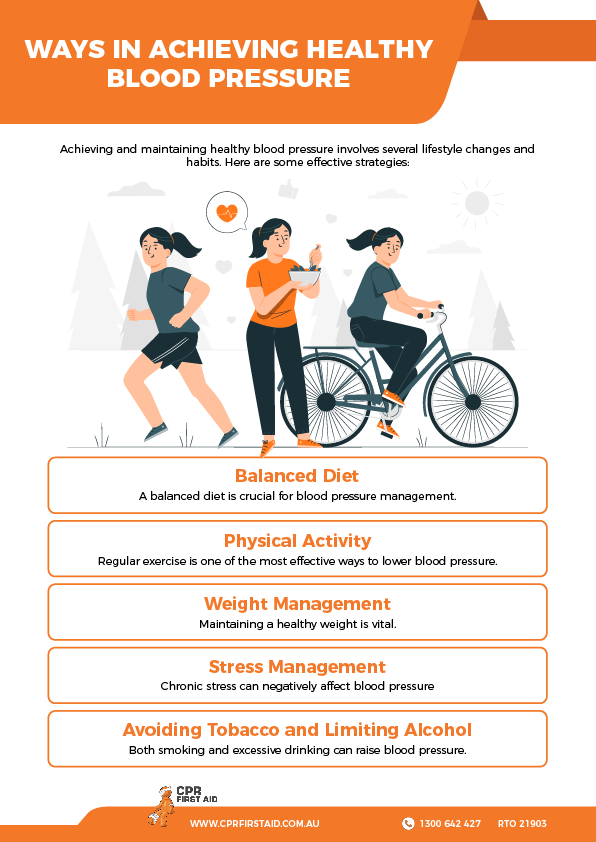
Ways in Achieving Healthy Blood Pressure
Achieving and maintaining healthy blood pressure involves several lifestyle changes and habits. Here are some effective strategies:
Balanced Diet
A balanced diet is crucial for blood pressure management.
- Emphasize Fruits and Vegetables
- Reduce Sodium Intake: Limiting salt can significantly lower blood pressure. Aim for less than 2,300 mg of sodium daily, or even 1,500 mg if you have high blood pressure.
- Choose Whole Grains
- Healthy Fats
Physical Activity
Regular exercise is one of the most effective ways to lower blood pressure:
- Aim for Consistency: At least 150 minutes of moderate aerobic activity each week, such as brisk walking, cycling, or swimming.
- Strength Training: Incorporating strength exercises at least twice a week can also be beneficial.
- Stay Active Throughout the Day: Small changes, like taking the stairs or going for short walks, can add to overall fitness.
Weight Management
Maintaining a healthy weight is vital:
- Monitor Your Weight: Even modest weight loss can help lower blood pressure. Reducing just 5-10% of your body weight can make a significant difference.
- Set Realistic Goals: Focus on gradual changes you can maintain over the long term rather than drastic diets.
Stress Management
Chronic stress can negatively affect blood pressure:
- Practice Relaxation Techniques: Activities like yoga, meditation, and deep breathing exercises can help reduce stress levels.
- Establish Healthy Routines: Ensure you have time for hobbies and activities you enjoy, which can be a natural stress relief.
Avoiding Tobacco and Limiting Alcohol
Both smoking and excessive drinking can raise blood pressure:
- Quit Smoking: If you smoke, seek support to quit. The benefits for your heart health are immediate and long-lasting.
- Limit Alcohol Consumption: If you drink, do so in moderation—up to one drink per day for women and two for men.
Conclusion
Monitoring your blood pressure is crucial to heart health. You can reduce health risks by understanding your readings and making healthier choices, such as eating well, exercising, managing stress, and avoiding harmful substances. Small, sustainable changes can improve your blood pressure and overall well-being. If you’d like to learn more about how to better monitor and provide care on a number of conditions, take a first aid course today.