
SEO Key Takeaways – Goliath Birdeater Spider
-
Largest Spider on Earth: The Goliath birdeater (Theraphosa blondi) is the world’s biggest spider, with legs up to 30 cm and a body length of 12 cm, weighing as much as 175 g.
-
Distinctive Appearance: Covered in protective brown hairs, these spiders rely on size and strength rather than webs to hunt prey.
-
Habitat: Native to tropical rainforests of northern South America, including Brazil, Venezuela, and Guyana; prefers warm, humid environments.
-
Ground-Hunting Predator: Unlike web-building spiders, it hunts insects, frogs, and small animals on the forest floor, occasionally catching small birds.
-
Non-Threatening to Humans: While their bite can be painful due to large fangs (up to 2 cm), venom is not life-threatening and causes only temporary pain, swelling, or redness.
-
Defensive Hairs: Releases irritating hairs when threatened, which can cause itching or eye irritation, acting as a primary defence mechanism.
-
Not Native to Australia: Australia hosts giant spiders like the Huntsman, but the Goliath birdeater is exclusive to South America.
-
Comparison With Other Giant Spiders: Other notable species include the Brazilian Salmon Pink Birdeater and East Africa’s King Baboon spider; most are harmless to humans.
-
First Aid Guidance: For bites, wash with soap and water, apply a cold compress, monitor for allergic reactions, and seek medical attention if symptoms persist.
-
Connection to First Aid Training: Learning first aid, including CPR and emergency response, prepares individuals to handle rare spider bites or allergic reactions safely.
Goliath Birdeater – The World’s Largest Spider by Mass
The Goliath birdeater (Theraphosa blondi), often referred to as the “biggest spider in the world,” is a giant Amazon tarantula best known for its enormous size, thick brown hairs, and impressive hunting power. Although its appearance can be intimidating, this species is more fascinating than dangerous, and understanding its behaviour, defences, and habitat helps highlight why it’s such an iconic arachnid. Australians may be familiar with large spiders like huntsman spiders, but nothing quite matches the Goliath birdeater’s sheer mass.
Read through the guide below, exploring everything from lifespan and diet to urticating hairs, stridulation, first aid considerations, and common misconceptions
According to the National Geographic website, The Goliath birdeater (Theraphosa blondi) is the most enormous spider on Earth. It gets its name because it can catch and eat small birds, though it usually eats other animals. While it might seem scary, this spider is more fascinating than dangerous. Let’s explore what makes it unique and how it compares to other giant spiders worldwide.
Size And Physical Feature of the Goliath Birdeater
The Goliath birdeater is enormous. Its legs can stretch up to 30 centimetres—about the size of a dinner plate. It weighs as much as 175 grams, making it heavier than most spiders. Its body can be up to 12 centimetres long and covered in brown hairs.
These hairs aren’t just for looks—they help protect the spider. Unlike other spiders that rely on speed, the Goliath birdeater uses its size and power to catch prey.
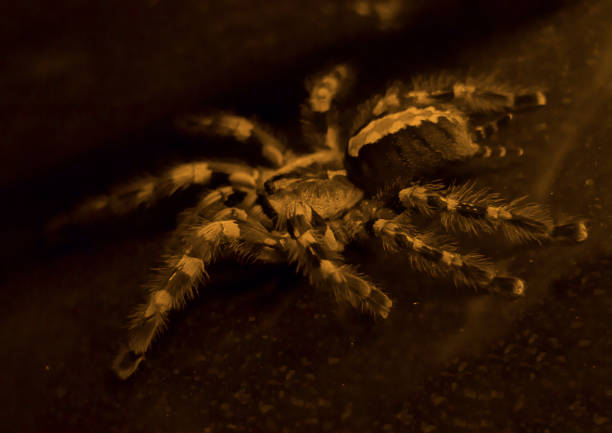

What is a Goliath Birdeater?
The Goliath birdeater is an Amazon tarantula species native to the warm, humid rainforests of northern South America, particularly Brazil, Venezuela, and Guyana. It is widely recognised as the world’s largest spider by mass. While it can catch and occasionally eat small birds, it typically feeds on insects, amphibians, and small mammals. This is why the moniker “birdeater” is more of an attention-grabbing name than a dietary description.
As one of the most well-known giant spiders, the Goliath birdeater is a staple of documentaries, museum exhibits, and global spider rankings. However, it is not native to Australia. Local species like the huntsman can reach impressive leg spans, but they do not match the Goliath birdeater’s bulk and weight.
Size, Weight & Appearance
The Goliath birdeater’s size is its most striking feature, making it a standout among tarantulas and other oversized spiders.
Leg Span and Body Dimensions
This species is capable of reaching a leg span of around 28 to 30 cm, roughly the size of a dinner plate. Its heavy body can grow up to 12 cm long and weigh as much as 175 g. This is heavier than most adult mice. These measurements place it firmly as the largest spider by mass and one of the spiders with the widest recorded leg spans.
Typical Colours & Hairy Appearance
The Goliath birdeater is covered in dense brown hairs that serve several purposes. Some function as sensory hairs that help detect movement and environmental changes, while others are urticating hairs used defensively. Its thick legs and powerful fangs give it a robust, muscular appearance rather than the sleek build of web-building spiders.
Unlike many spiders that rely on agility, this species depends on strength and size when overpowering prey.

Is the Goliath birdeater native to Australia?
No, the Goliath birdeater is not native to Australia. It comes from South America. However, Australia has giant spiders, like the huntsman spider, which can grow large.
Hunting and Feeding Habits
Even though the Goliath birdeater can eat birds, its usual diet consists of the following:
- Insects
- Frogs
- And small animals like rodents
Unlike other spiders that spin webs, the Goliath birdeater actively searches for its food on the forest floor.
Are Goliath Birdeater Spiders Dangerous?
Although the Goliath birdeater looks intimidating, it isn’t hazardous to humans. Its bite is painful, but it’s not life-threatening. The spider uses other methods to protect itself when it feels threatened.
Venom and Bite Effects on Humans
A bite from a Goliath birdeater can hurt because its fangs are large—up to 2 centimetres long. However, its venom isn’t potent enough to seriously harm people.
Like a bee sting, a bite would cause pain, swelling, and redness. The symptoms usually disappear after a while, and the bite isn’t deadly.
Irritating Defense Mechanism
One of the spider’s primary defences is its irritating hairs. When threatened, the Goliath birdeater releases these tiny hairs into the air. They can cause itching and irritation, especially if they get into your eyes. This defence helps the spider escape from predators without needing to bite.

Other Giant Spiders in the World
Huntsman Spider
Known for its speed and large size, the Huntsman spider is commonly found in Australia. Despite their intimidating appearance, they are generally harmless to humans and play a key role in controlling insect populations.

Brazilian Salmon Pink Birdeater
One of the most enormous tarantulas in the world, this spider is native to Brazil. Its striking salmon-pink leg markings and massive size make it a unique species, but it is not aggressive towards humans.

King Baboon Spider
A burrowing spider from East Africa, the King Baboon spider has a thick, reddish-brown body. It is known for its strength and aggressive nature, making it a fascinating yet fearsome arachnid.

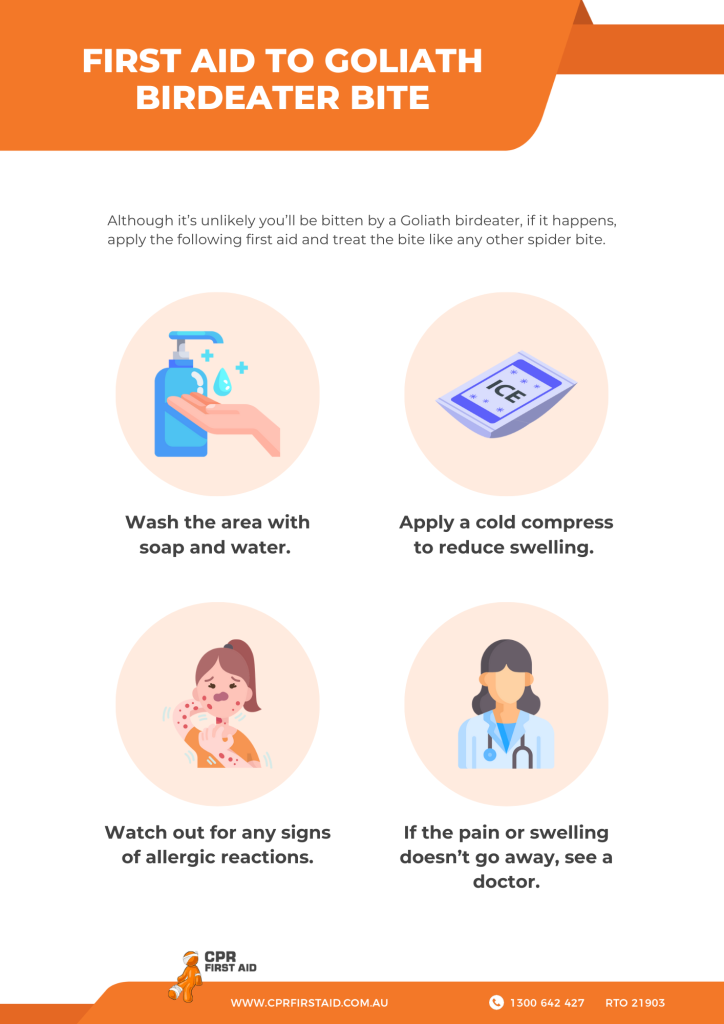
First Aid to Goliath Birdeater Bite
Although it’s unlikely a Goliath birdeater will bite you, if it happens, apply the following first aid and treat the bite like any other spider bite.
- Wash the area with soap and water.
- Apply a cold compress to reduce swelling.
- Watch out for any signs of allergic reactions.
- If the pain or swelling doesn’t go away, see a doctor.
Diet & Hunting Habits
Instead of spinning webs, the Goliath birdeater behaves as an ambush predator. It waits within or near its burrow on the forest floor and strikes when prey approaches.
Its typical diet includes:
- insects
- frogs
- rodents
- small reptiles
- and occasionally small birds
Despite its name, bird consumption is rare. When hunting, it uses its strong fangs which can be up to 2 cm long. They pierce prey before subduing it. Its technique resembles many Australian ground-dwelling spiders, though its massive size gives it a distinct advantage.
Defence Mechanisms and Bite
The Goliath birdeater is not aggressive by default, but it does possess an array of effective defensive tools designed to deter predators.
Urticating Hairs & Stridulation (Hissing Sounds)
When threatened, this spider releases urticating hairs. They are tiny, barbed fibres that can cause itching, rashes, and eye irritation. These hairs act as its first line of defence and are particularly effective against mammals.
It may also use stridulation, a defensive behaviour where the spider rubs body parts together to create a hissing sound. This startling noise is often enough to ward off predators without escalating to a bite.
Venom & Human Bite Concerns
Although the Goliath birdeater’s fangs are large, its venom is relatively mild. Bites are comparable to a wasp sting, causing short-term symptoms such as:
- pain
- redness
- warmth
- mild swelling
Its venom is not medically significant, and there are no confirmed cases of life-threatening effects. In most situations, the spider relies on its hairs and size rather than its venom.
Lifespan, Reproduction & Habitat
Females vs Males Lifespan
Female Goliath birdeaters can live for 15 to 20 years, far outlasting males, which often survive only 3 to 6 years. The stark difference arises because males usually die soon after reaching maturity and mating.
Egg-Sac, Spiderlings & Burrow Lifestyle
Females lay large egg-sacs containing up to 200 spiderlings. They guard these sacs in burrows, which serve as protective hideouts throughout the spider’s life. These burrows offer consistent humidity, warmth, and concealment, mirroring the thick, moist rainforest floors of their Amazon environment.
Goliath Birdeater in Culture & Human Interaction
Edible Delicacy (Shrimp-Like Taste)
In some South American communities, the Goliath birdeater is considered a delicacy. Locals remove its urticating hairs before roasting it, often describing the flavour as similar to prawns or shrimp.
Common Misconceptions (Rarely Eats Birds)
One of the biggest myths is that the Goliath birdeater frequently hunts birds. While capable of overpowering a small bird, it rarely does so. Its usual prey consists of insects, amphibians, and rodents. They are easier to catch and provide abundant nutrition.
Another misconception is that the species poses a major danger to humans. In reality, severe reactions are rare, and most interactions occur in captivity or educational settings.
Related First Aid Considerations
Although Australians won’t encounter this spider in the wild, understanding basic spider bite first aid is always helpful. Many principles apply across various species, whether it’s a tarantula overseas or common local spiders such as huntsmans and wolf spiders.
Handling Bites & Allergic Reactions to Hairs
If someone experiences a bite or irritation from urticating hairs, basic first aid includes:
- washing the area with soap and water
- applying a cold compress to reduce swelling
- monitoring for allergic reactions
Urticating hairs can sometimes irritate the eyes or respiratory system. If this occurs, rinse gently with clean water and seek medical care if symptoms worsen.
When to Seek Medical Attention
Medical help is recommended if:
- symptoms persist longer than expected
- swelling becomes severe
- the person experiences difficulty breathing
- signs of infection develop
Australian first aid guidelines emphasise staying calm and observing symptoms, similar to advice for general insect or spider bites. Bites or allergic reactions are also a good reminder of the value of completing a first aid course or childcare first aid course, which equips people with the confidence and skills to respond to various emergencies.
FAQs
What is the biggest spider in the world?
The Goliath birdeater (Theraphosa blondi) is considered the largest spider in the world by mass, with a leg span that can reach approximately 30 cm.
Can a Goliath birdeater kill a human?
No. While its bite can be painful, its venom is mild and not dangerous to humans. The primary concern is irritation from its urticating hairs.
Conclusion
The Goliath birdeater stands out as the world’s largest spider by mass, combining size, power, and unique defensive behaviours. While its appearance can seem intimidating, it’s far less dangerous than many assume. Most symptoms caused by this spider are mild, similar to other tarantula species, and can be managed with straightforward first aid.
For Australians interested in understanding bites, allergic reactions, and emergency responses more broadly, investing in first aid training is an invaluable step. Courses in CPR, insect bite management, and general first aid offer the confidence and skills needed to respond effectively.
If you’d like to be better prepared for unexpected situations, including bites and stings, consider enrolling in a relevant Australian first aid or CPR course today