
SEO Key Takeaways – Low Blood Sugar (Hypoglycaemia)
-
What is Hypoglycaemia?
Low blood sugar (hypoglycaemia) happens when glucose levels drop below normal, reducing energy for brain and body functions. -
Normal Blood Sugar Levels
Fasting: 4.0–5.5 mmol/L | Post-meal: below 7.8 mmol/L. Individual variations may occur. -
Common Causes of Low Blood Sugar
Skipping meals, intense exercise, certain medications, and alcohol on an empty stomach can trigger hypoglycaemia. -
Early Physical Signs
Shakiness, sweating, weakness, fatigue, and sudden hunger indicate initial low blood sugar episodes. -
Emotional and Cognitive Symptoms
Irritability, anxiety, dizziness, and trouble concentrating can be early warning signs. -
Severe Hypoglycaemia Symptoms
Confusion, seizures, or loss of consciousness require urgent first-aid intervention. -
Immediate First Aid Response
Consume 15–20 g of fast-acting sugar (juice, honey, glucose tablets) and recheck blood sugar after 15 minutes. -
Prevention Strategies
Eat regular balanced meals, carry snacks, monitor physical activity, and avoid alcohol on an empty stomach. -
When to Seek Medical Help
Recurrent or unresponsive low blood sugar, or severe symptoms, require consultation with a healthcare professional or calling 000 in emergencies. -
Empower Yourself with Knowledge
Recognising early signs, practising first aid, and completing a CPR First Aid course supports safe hypoglycaemia management.
Low blood sugar, or hypoglycaemia (hypo), can cause a range of symptoms that affect both the body and mind. Recognising these early signs is essential to managing low blood sugar before it becomes severe. This blog will cover the symptoms to look out for, how to respond, and tips for keeping blood sugar levels healthy.
What is Low Blood Sugar?
According to a not-for-profit organisation called Diabetes Australia, low blood sugar, also called hypoglycaemia (hypo), occurs when the glucose (sugar) levels in your blood drop below the normal range. Glucose is our bodies’ primary energy source, helping to keep our organs functioning well, especially the brain.
Low blood sugar can make you feel weak, tired, or confused. Knowing the signs can help you address them quickly.
What is the Healthy Level of Blood Sugar?
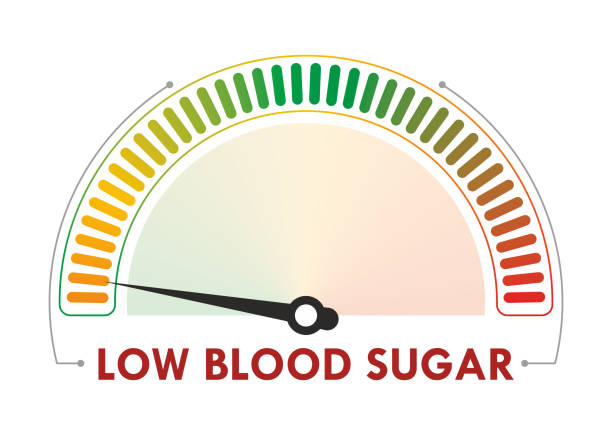
A healthy fasting blood sugar level (before eating) ranges from 4.0 to 5.5 mmol/L. After eating, levels are expected to rise but should generally stay below 7.8 mmol/L. Depending on individual health conditions, these ranges can differ slightly, so it’s best to consult a healthcare provider for personal guidelines.
Why Does Blood Sugar Drop?
According to the same organisation, there are several common reasons blood sugar levels might drop, including:
- Skipping meals: Not eating regularly can lead to a dip in blood sugar.
- Exercising too much: Physical activity uses up glucose, so without proper fuel, levels can drop.
- Taking certain medications: Medications, especially for diabetes, can cause low blood sugar.
- Drinking alcohol on an empty stomach: Alcohol lowers blood sugar, so drinking without food can be risky.
Healthdirect states a blood glucose level lower than four mmol/L is considered hypoglycaemic.
Importance of Recognizing the Symptoms Early
Recognising the symptoms of low blood sugar early is crucial to preventing more serious issues. Knowing what to look out for can help you take quick action, avoiding severe symptoms and complications. Early detection also makes it easier to manage blood sugar effectively, keeping you healthy and balanced.
Early Signs of Low Blood Sugar
Low blood sugar has several early signs; if you start feeling “off,” listening to your body is essential.

Physical Symptoms of Hypoglycaemia or Low Blood Sugar
Some physical symptoms include:
- Shakiness: Feeling unsteady or trembling is often a first sign.
- Sweating: Sudden, unexpected sweating can indicate low blood sugar.
- Weakness or fatigue: A lack of energy is expected, as the body doesn’t have enough fuel.
- Hunger: Feeling very hungry shortly after eating could be a sign.
Emotional Symptoms Hypoglycaemia or Low Blood Sugar
Low blood sugar can also impact your mood. Some emotional signs include:
- Irritability: Feeling unusually frustrated or angry.
- Anxiety: You may feel nervous or uneasy.
- Difficulty concentrating: Low sugar can make it hard to focus, even on simple tasks.
Severe Symptoms of Hypoglycaemia, Low Blood Sugar
If a hypo or low blood sugar goes untreated, it can lead to more severe symptoms, such as:
- Confusion: Being unable to think clearly or remember things.
- Seizures: In extreme cases, very low blood sugar can cause seizures.
- Loss of consciousness: If levels drop too low, a person can pass out, which is an emergency.
What is the First Aid for Hypoglycaemia (Low Blood Sugar)?
If you or someone else experiences low blood sugar, here are some first-aid steps you can do:
- Eat or drink something sugary: Have 15-20 grams of sugar right away, such as fruit juice, a spoonful of honey, or glucose tablets.
- Check blood sugar: If you have a glucometer, test your blood sugar level.
- Reassess after 15 minutes: Consume another sugary snack if blood sugar is still low. It’s important not to overeat, as it can cause a spike.
Tips for Preventing Low Blood Sugar
Preventing low blood sugar is often about maintaining a steady routine and being mindful of what you eat. Here are some helpful tips:
- Eat regularly: Eat small, balanced meals daily to stabilise sugar levels.
- Carry snacks: To avoid dropping blood sugar, keep a small snack handy, like fruit or granola bars.
- Monitor your exercise: If you’re working out, keep snacks nearby and listen to your body’s cues.
- Limit alcohol intake: Avoid drinking alcohol on an empty stomach, and always pair it with food.
When to Seek Medical Help?
If you or someone else frequently experiences low blood sugar or has symptoms that don’t improve with food or sugar intake, it’s essential to seek medical advice. This could indicate an underlying condition, or medication adjustments might be needed. In emergencies, such as if a person becomes unresponsive, call emergency services or 000 right away.
Conclusion
Low blood sugar can be managed with a bit of awareness and preparation. You can stabilise your blood sugar levels by recognising the signs, knowing first-aid steps, and maintaining a regular meal schedule. If you want to be more prepared for low blood sugar and many other possible conditions, consider taking a first aid course. Remember, listening to your body’s signals is critical to preventing and managing low blood sugar, ensuring you stay safe and healthy.