
SEO Key Takeaways – Safe Manual Handling in Aged Care
-
Manual handling in aged care is essential: Proper techniques protect caregivers from injury and ensure elderly comfort during lifting, moving, or supporting tasks.
-
Common tasks require careful technique: Transfers (bed-to-chair), bathing, dressing, and fall support are high-risk activities needing safe handling methods.
-
Assistive devices improve safety: Tools like transfer belts, slide sheets, hoists, and grab bars reduce strain and accident risk for both caregiver and elderly person.
-
Use proper body mechanics: Bend knees, keep the back straight, hold the person close, and pivot feet instead of twisting the torso.
-
Assess each situation first: Evaluate mobility levels, plan tasks, and gather equipment before assisting to reduce injury risk.
-
Encourage independence: Involve the elderly in movements using verbal cues or partial support to maintain dignity and mobility.
-
Create a safe environment: Clear clutter, install safety features, and adjust furniture for unobstructed movement.
-
Avoid common mistakes: Do not lift without assistance, twist while moving, or ignore personal physical limits.
-
Training is crucial: Formal manual handling and first aid courses (e.g., CPR First Aid programs in Australia) improve safety and caregiver confidence.
-
Invest in long-term safety: Combining proper techniques, assistive devices, and ongoing training ensures both caregiver wellbeing and elderly safety.
Caring for elderly family members can be a rewarding experience; it often involves physically assisting them with daily tasks, such as moving from a bed to a chair or helping them dress. While essential for their well-being, these tasks can be physically demanding and pose risks for caregivers and their loved ones. Acknowledging the proper manual handling techniques is crucial to prevent injuries and ensure comfort for everyone involved.
Why Is Manual Handling Important in Aged Care?
Manual handling refers to any activity that involves lifting, moving, or supporting a person or object. In aged care, it involves assisting elderly individuals who have limited mobility. Proper manual handling is critical because:
- Protects caregivers: Improper lifting techniques can lead to back strain, muscle injuries, and joint pain for caregivers.
- Ensures comfort and safety for the elderly: Incorrect handling can cause discomfort, bruising, or even falls for the elderly individual.
- Promotes independence: Safe handling encourages elderly loved ones to participate in movements when possible, supporting their dignity and mobility.
Common Manual Handling Tasks for Family Caregivers
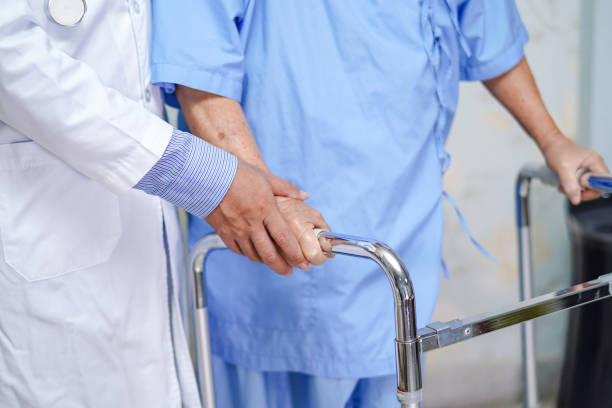
Manual handling tasks require care and attention. Caregivers at home often perform various techniques to perform their duties. Here are some of the most common ones:
Transferring from Bed to Chair
Moving an elderly loved one from their bed to a chair or wheelchair is a frequent task. Proper technique is required to ensure their safety while minimising strain on the caregiver. Using assistive devices like transfer belts or slide sheets can make the process smoother and safer.
Assisting with Bathing and Dressing
Bathing and dressing often involve lifting or supporting the elderly individual. Tasks like raising their arms, turning them, or helping them into a seated position require careful handling to avoid unnecessary strain or discomfort.
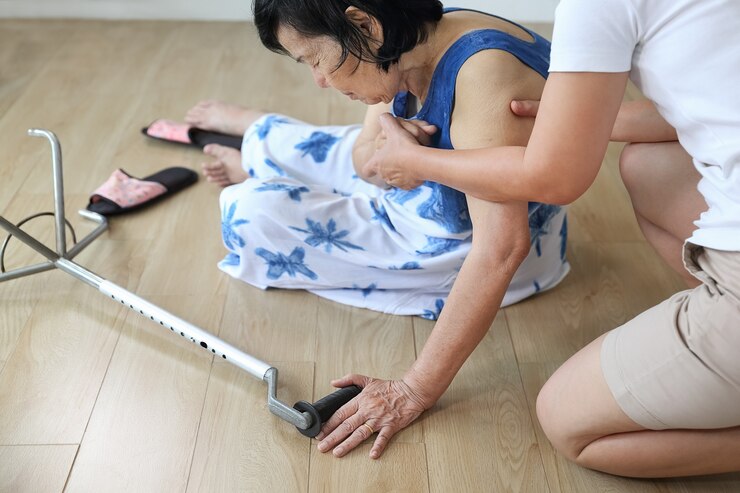
Supporting During Falls
Falls are a common concern for elderly individuals, and caregivers may need to intervene to prevent or manage them. Knowing how to assist safely during a fall is essential to avoid injuring yourself or the person in your care.
Manual Handling Risks in Aged Care at Home
Providing care at home comes with unique challenges. Compared to professional facilities, homes are only sometimes equipped with the necessary tools or space for safe manual handling. These risks include:
- Lack of equipment: Without proper devices like hoists or transfer belts, caregivers may rely solely on physical strength, increasing the risk of injury.
- Limited space: Small or cluttered areas can restrict movement, making it harder to use correct techniques.
- Inexperience: Family members often need more formal training in manual handling, which can lead to improper techniques and potential injuries.
Recognising these risks can help families to take proactive steps and create a safer caregiving environment.
Tips for Safe Manual Handling
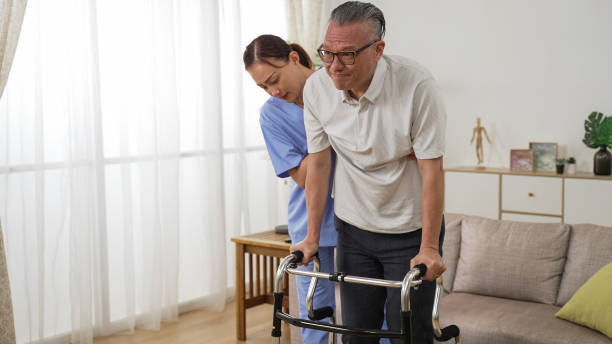
Following safe manual handling practices protects both caregivers and elderly loved ones. Here are some essential tips:
Assess the Situation First
Before assisting, evaluate the situation:
- Understand mobility levels: Determine if your loved one can assist with the movement or requires full support.
- Plan the task: Decide on the best approach and gather any necessary equipment beforehand.
Use Proper Body Mechanics
Proper body mechanics are vital to preventing injuries:
- Bend your knees, not your back: Use your legs to lift and support the weight, keeping your back straight.
- Keep the person close to your body: This reduces strain and maintains balance.
- Avoid twisting: Pivot your feet rather than twisting your torso when turning.
Encourage Independence
Whenever possible, involve your loved one in the process:
- Give verbal cues: Encourage them to use their arms or legs to assist with movements.
- Provides support without doing everything for them: It promotes their independence and preserves their strength.
Create a Safe Environment
A safe environment reduces the risk of accidents:
- Remove clutter: Ensure pathways are clear of obstacles.
- Install safety features: Use grab bars in bathrooms and non-slip mats to reduce the risk of falls.
- Adjust furniture placement: Create open spaces for more effortless movement.
Common Mistakes to Avoid
Even well-meaning caregivers can make mistakes when handling loved ones. Avoid these common errors:
Lifting Without Assistance
Trying to lift someone who is too heavy can lead to severe injuries. Use assistive devices or ask for help from another family member when needed.
Twisting Your Back
Twisting while lifting or moving can strain your spine. Always pivot your feet instead of turning your back.
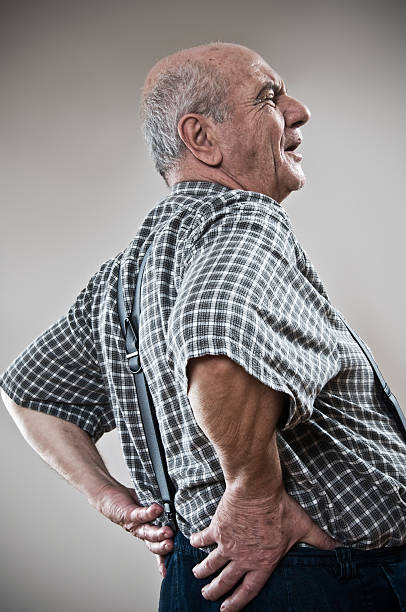
Ignoring Your Limits
Overexertion is a common cause of caregiver injuries. Recognise your physical limits and seek professional support when necessary.
The Importance of Training in Manual Handling
Proper manual handling training is essential for family caregivers. It helps you understand safe techniques, use assistive devices effectively, and reduce the risk of injuries. In Australia, first aid training is essential when an emergency might occur. Organisations like CPR First Aid offer programs that provide hands-on guidance ensuring you feel confident and capable. From basic and advance first aid courses, to childcare first aid courses, and even CPR training among others, CPRFA has many courses that can benefit you.
Conclusion
Caring for elderly loved ones at home is a meaningful but physically demanding responsibility. By adopting safe manual handling techniques, you can protect your health while ensuring the safety and comfort of the person in your care. Assessing each situation, using proper body mechanics, and encouraging independence are critical components of effective caregiving. These practices are crucial. Invest in appropriate training and consider assistive devices to create a safer caregiving environment.