
SEO-Optimised Key Takeaways – Sunburned Eyelids
-
Sunburned eyelids are caused by overexposure to UV rays, making the thin, sensitive skin around the eyes highly prone to inflammation, redness, and discomfort.
-
Direct sunlight, reflective surfaces, and inadequate eyewear increase the risk of eyelid sunburn, even during short periods outdoors.
-
Common symptoms include redness, swelling, pain, peeling, itching, and light sensitivity, which may affect vision and comfort.
-
Immediate home treatment includes cool compresses, aloe vera gel, and gentle moisturisers to soothe and hydrate sunburned eyelids.
-
Avoiding sun exposure during peak hours (10 a.m.–4 p.m.) and wearing protective clothing can prevent worsening of symptoms.
-
Use UV-protective sunglasses and wide-brimmed hats to shield eyelids from direct and reflected sunlight.
-
Apply mineral-based sunscreens carefully around the eyes to protect sensitive skin without irritation.
-
Over-the-counter pain relievers like ibuprofen can help manage swelling and discomfort in moderate sunburn cases.
-
Seek medical attention immediately if severe blistering, infection, or impaired vision occurs, as this may require professional care.
-
Preventive measures and awareness are key, helping outdoor enthusiasts maintain eye and skin health while enjoying sunny activities.
Sunburn is a common concern for outdoor enthusiasts, but while most people take care and protect their skin, areas like the eyelids are often overlooked. This sensitive skin is as vulnerable to sun damage as other body parts. This article will explore sunburned eyelids, their causes, symptoms, treatment options, and how to prevent this painful and uncomfortable condition.
What Are Sunburned Eyelids?
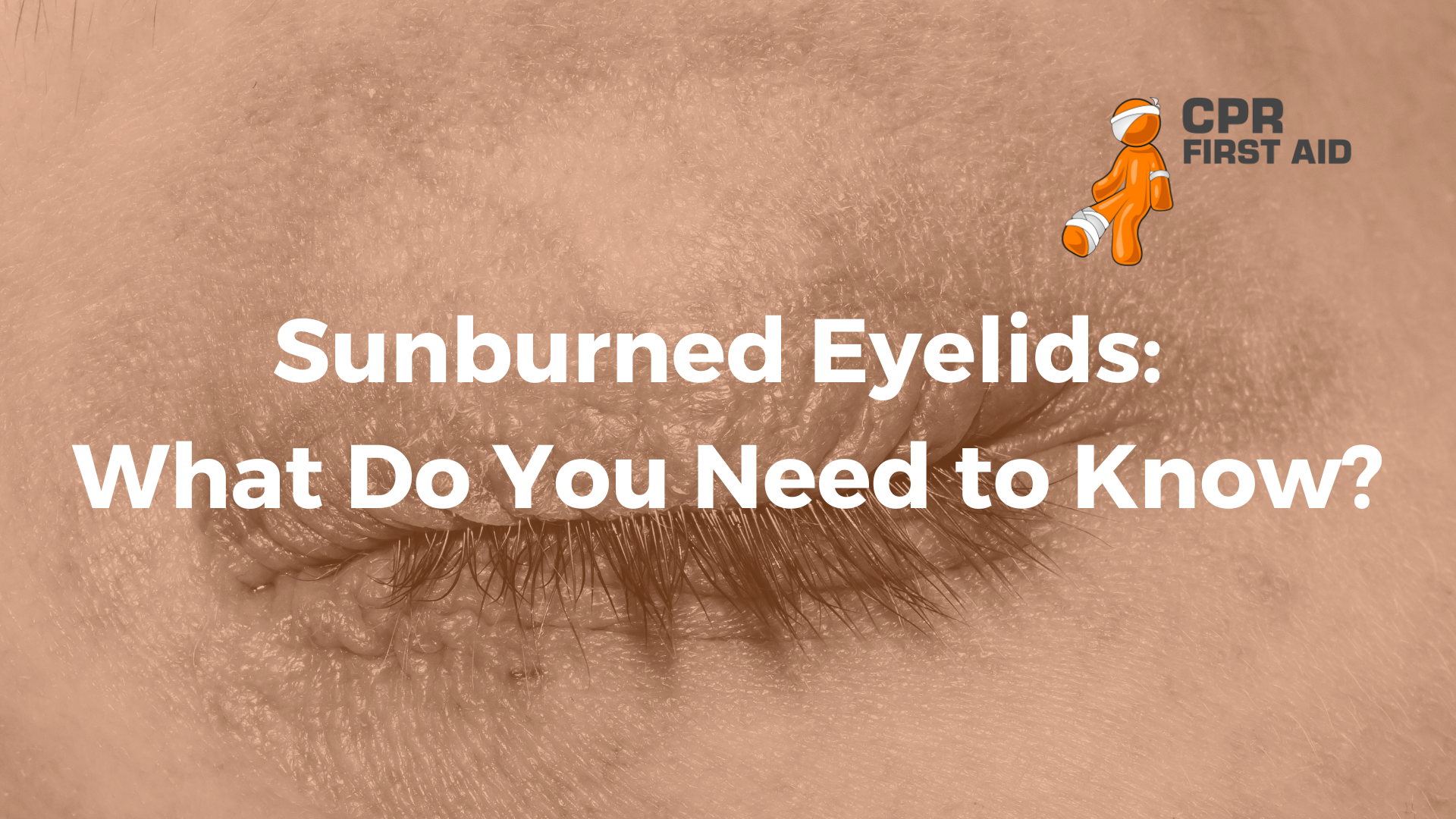
Sunburned eyelids occur when the thin, delicate skin on your eyelids is overexposed to harmful ultraviolet (UV) rays from the sun. These areas of the face are particularly susceptible to sunburn because they are susceptible and often inadequately protected. The result is inflammation, redness, and discomfort that can affect your vision and overall well-being.

Causes of Sunburned Eyelids
Several factors contribute to sunburned eyelids. Understanding these causes can help you take better precautions.
Direct Sun Exposure
When your face is exposed to the sun for prolonged periods without protection, the UV rays can directly burn your eyelids. This is especially common during outdoor activities like hiking, swimming, or lounging at the beach.
Lack of Sun Protection
Many people neglect to apply sunscreen near their eyes out of fear of irritation. However, skipping sunscreen in this area leaves the eyelids vulnerable to sunburn.
Reflection from Water and Sand
UV rays can reflect off surfaces like water, sand, and snow, intensifying their effects. This means you can still get sunburned on your eyelids, even under partial shade.
Inadequate Eyewear
Sunglasses that don’t offer UV protection or fail to cover the eyes completely may leave the eyelids exposed to harmful rays. Fashion-forward eyewear may look great but may not always prioritise safety.
Symptoms of Sunburned Eyelids
If your eyelids have been overexposed to UV rays, you might notice these symptoms:
- Redness: The skin on your eyelids may appear flushed or irritated.
- Swelling: Puffiness or inflammation is common in sunburned areas.
- Pain or Tenderness: Your eyelids may feel sore to the touch or when blinking.
- Peeling or Flaking: In severe cases, the skin might start peeling as it heals.
- Itching: Irritated skin often feels itchy or uncomfortable.
- Sensitivity to Light: Your eyes may become more sensitive to bright light after sunburn.
How to Treat Sunburned Eyelids
Treating sunburned eyelids requires care and gentleness. Here are some effective remedies:
Apply a Cool Compress
A cold compress can help reduce inflammation and soothe the burning sensation. Use a clean, soft cloth soaked in cold water and gently press it over your eyelids for 10–15 minutes. Avoid applying ice directly to the skin, which can cause further damage.

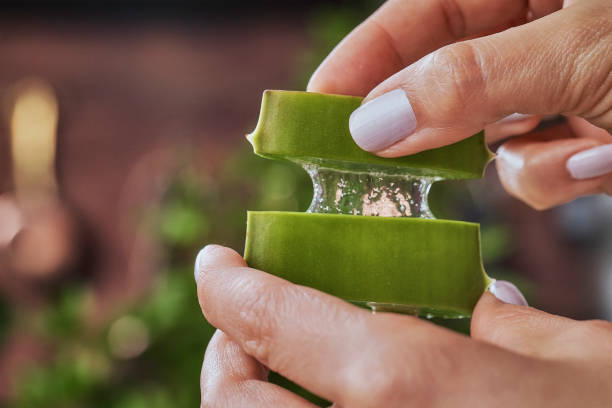
Use Aloe Vera Gel
Aloe vera is known for its cooling and healing properties. Choose a pure, fragrance-free aloe vera gel and apply a thin layer to your eyelids. Be cautious not to let it enter your eyes.
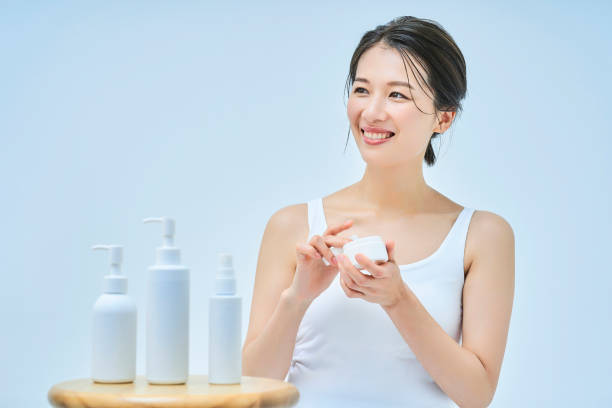
Keep the Skin Hydrated
Moisturise the area with a gentle, hydrating cream or lotion for sensitive skin. Avoid products with harsh chemicals or fragrances that can further irritate the skin.
Avoid Sun Exposure
Until your eyelids have healed, minimise exposure to the sun. Stay indoors during peak sunlight hours, and if you must go outside, use protective measures like wearing sunglasses and a hat.
Take Over-the-Counter Pain Relievers
If the sunburn is causing significant discomfort, over-the-counter pain relievers like ibuprofen or acetaminophen can help reduce pain and swelling.
When to Seek Medical Attention
While most cases of sunburned eyelids can be treated at home, severe cases may require medical intervention. Seek professional help if you experience any of the following:
- Blistering or severe swelling around the eyes
- Signs of infection, such as pus or increasing redness
- Impaired vision or difficulty opening your eyes
- Persistent pain that doesn’t improve with home treatment
How to Prevent Sunburned Eyelids
Prevention is the best strategy for protecting your eyelids from sunburn. Follow these tips to stay safe:
Wear UV-Protective Sunglasses
Choose sunglasses labeled with 100% UV protection. Wrap-around styles are ideal as they shield the delicate skin around the eyes from direct and indirect sunlight.
Apply Sunscreen Safely Around the Eyes
Use a sunscreen formulated for sensitive skin, preferably one designed specifically for the face. Carefully dab a small amount around the eye area, avoiding direct contact with the eyes. Mineral sunscreens containing zinc oxide or titanium dioxide are often less irritating.
Wear a Wide-Brimmed Hat
A wide-brimmed hat provides extra shade and reduces the amount of sunlight reaching your face and eyelids. Look for hats with a brim of at least three inches for optimal coverage.
Seek Shade During Peak Hours
UV rays are strongest between 10 a.m. and 4 p.m. To reduce exposure, stay under a shaded area or use an umbrella.
Reapply Sunscreen Regularly
Sweat, water, and time can reduce the effectiveness of sunscreen. Reapply it every two hours, especially if you’re swimming or sweating.
Conclusion
Sunburned eyelids may not be the first thing that comes to mind when you think of sun damage, but this delicate area is just as vulnerable as the rest of your skin. You can protect and keep your eyelids healthy by recognising the symptoms and following proper treatment and prevention methods.
Always prioritise sun protection, especially for sensitive areas, to enjoy your time outdoors without compromising your skin’s health. Remember: prevention is always better than cure!
Equip yourself with the right skills, knowledge, and attitude for providing care by undergoing first aid training. The things you learn may spell the difference between life and death.