
Key Takeaways – Holiday Choking Hazards & First Aid
-
Holiday foods like hard candies, nuts, grapes, and sticky treats are common choking hazards, especially for children and older adults.
-
Infants, toddlers, the elderly, and inattentive eaters face the highest risk of choking during festive meals and celebrations.
-
Recognising choking signs early is critical – mild choking allows coughing, while severe choking prevents breathing, speaking, or coughing.
-
Back blows and abdominal thrusts (Heimlich manoeuvre) are lifesaving techniques for severe choking in adults and children.
-
CPR is required if a choking victim becomes unconscious, as chest compressions may help dislodge the object.
-
Infant choking must be treated differently – use gentle back blows and chest compressions, not abdominal thrusts.
-
Prevent choking risks by modifying foods (e.g., cut grapes lengthwise, avoid hard candies for children) and encouraging safe eating habits.
-
Supervision is essential during meals, particularly for toddlers and older adults with swallowing difficulties.
-
First aid training provides confidence and skills to act quickly in choking emergencies for infants, children, and adults.
-
CPR First Aid is Australia’s trusted provider of CPR and first aid training, helping families stay safe during the holiday season.
The holiday season is the time of merriment, togetherness, and feasting on delectable snacks. However, some of the most popular holiday treats can be a serious choking hazard, especially for children, older adults, and even distracted eaters. To have a safe and festive season, it is important to recognize choking hazards, learn how to prevent incidents, and be prepared to respond effectively.
Understanding Holiday Choking Hazards
Choking happens when food or some other object partially or fully obstructs the airway, therefore preventing normal breathing. Although anyone can choke at any time during holidays, it is especially common because of the high prevalence of snacks that are small, sticky, or hard to chew.
Common Causes of Choking
- Hard Candies and Nuts: These are very common in holiday foods and may easily lodge in the throat.
- Popcorn, Pretzels, and Crackers: Its dry texture makes it difficult to swallow, especially if gulped down without sufficient hydration.
- Grapes, Cherry Tomatoes, and Sausages: The spherical shape can easily lodge into the airway if swallowed whole.
- Sticky Treats like Caramel and Marshmallows: These can stick in the throat, making it particularly difficult to cough up if stuck.
Who’s at risk?
While choking can strike anyone, certain groups are more at risk:
- Infants and Toddlers: This is because of the tiny airways and weak chewing of infants.
- Elderly: Problems like a decrease in saliva production, dental conditions, or difficulty swallowing make them more susceptible.
- Inattentive Eaters: Eating while conversing, laughing, or moving about can lead to inadequate chewing or swallowing, increasing the risk of choking.
Choking Signs
The first step is to identify the choke quickly. It can be classified into two:
Mild Choking: This is when the patient can cough, speak, or make some noise. There must be some passage of air. Ask the patient to continue coughing to expel the foreign object.
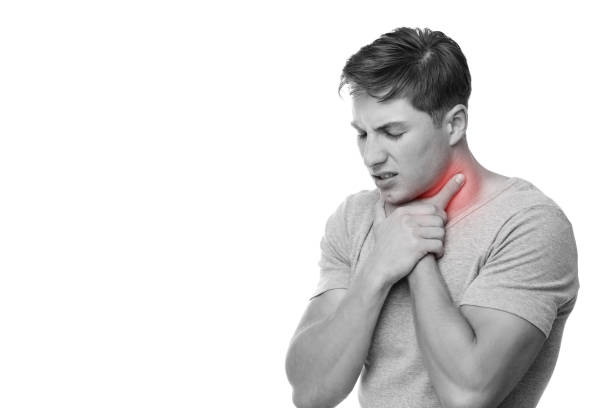
Severe Choking: the patient cannot speak, cough, or breathe, may grab at the neck, showing bluish colour of skin and lips. Without proper and quick response, this may result in loss of consciousness and even death.
Choking First Aid
Acting promptly and confidently can be the difference between life and death. Here’s how to help:

- Mild Choking
Encourage the person to continue coughing and keep close watch in case it gets worse.
- Severe Choking
This is when the airway is completely blocked. Immediate action is required.
Back Blows:
- Stand to one side and slightly behind the person.
- Support the chest with one hand while bending them forward.
- Use the heel of your other hand to give up to five firm back blows between their shoulder blades.
- After each blow, check if the object has been removed.
Abdominal Thrusts (Heimlich Maneuver):
- Stand behind the person and wrap your arms around their waist.
- Make a fist and position it just above the navel, thumb side in.
- Grip fist with other hand and thrust upward quickly several times to squeeze stomach.
- Continue until the object is expelled or the victim becomes unconscious.
- If the patient passes out
- Put the victim down and start CPR, beginning with chest compressions. Chest compressions may dislodge the object and have it help circulate lifesaving oxygen throughout the body.
- Check the mouth for the obstruction after every set of compressions before giving rescue breaths.
For Infants:
Use gentle back blows and chest compressions, ensuring their head is supported and lower than their body. Avoid abdominal thrusts in infants as their bodies are more delicate.
Preventing Choking This Holiday Season
Preventing choking begins with vigilance and proactive measures. Here’s how you can minimize risks:
- Modify High-Risk Foods:
- Chop grapes, sausages, and other round foods into smaller, lengthwise pieces.
- Avoid giving hard candies and whole nuts to small children.
- Teach Safe Eating Practices:
- Make sure both kids and adults eat sitting down, not while walking or playing.
- Don’t allow children and adults to talk, laugh, or hurry while eating.
- Monitor Young Children :
- Keep an eye on toddlers and young kids during meals and snacks.
- Store choking hazards, such as small toys and hard snacks, out of reach.
- Learn and Teach First Aid Skills:
- Enroll in a first aid course to gain confidence in managing emergencies like choking.
- Share knowledge with family members so everyone knows how to act in a crisis.
Importance of First Aid Training
Knowing how to respond to a choking emergency can mean life and death. CPR First Aid offers full scale training that covers all the management of choking in infants, children, and adults.
Important Takeaways from CPR First Aid’s training include:
- Recognize signs of choking.
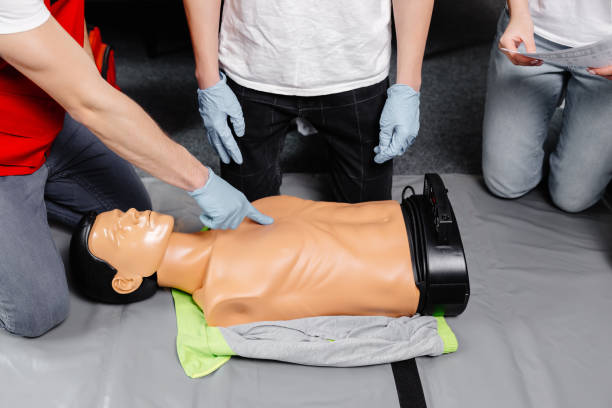
- Practising back blows and abdominal thrusts.
- Performing CPR on an unconscious person.
- Techniques for children and infants.
Why CPR First Aid?
CPR First Aid is the leading first aid and CPR training company in Australia. With our experienced trainers, hands-on practice, and flexible learning options, you can get the skills you need to keep your loved ones safe.
Enroll Now!
Check out this comprehensive guide on [Choking in children and adults](https://cprfirstaid.com.au/chokinginchildrenandadults/).
Try one of the many [First aid courses](https://cprfirstaid.com.au) offered.
Be prepared for emergencies this holiday season.
Celebrate Safely
Holidays are a time that is treasured with loved ones. You can make sure that your holiday season is merry and emergency free by taking preventive steps against choking and being ready to respond. Stay safe, informed, and ready to responsibly enjoy the holiday cheer.