

Key Takeaways – Feeling Cold After Eating
-
Feeling cold after eating is common and may be linked to digestion, food choices, hydration, or underlying health conditions.
-
The thermic effect of food (TEF) uses energy during digestion, which can sometimes leave the body feeling chilled, especially after low-calorie meals.
-
Blood flow shifts to the digestive system post-meal, reducing circulation in hands and feet, making them feel cold.
-
Cold, raw, or low-carbohydrate foods like salads, sushi, or light meals can lower body temperature and contribute to post-meal chills.
-
Hormonal and metabolic factors such as thyroid issues, insulin response, or hormonal changes in women can influence temperature regulation after eating.
-
Dehydration and electrolyte imbalances may worsen feelings of coldness by affecting circulation and fluid balance.
-
Underlying health conditions like anaemia, hypoglycaemia, digestive disorders, or Raynaud’s disease can cause chills after meals.
-
Lifestyle adjustments—including warm meals, balanced nutrition, staying hydrated, and light activity after eating—can help manage symptoms.
-
Seek medical advice if post-meal chills are persistent or accompanied by fatigue, weight changes, or digestive discomfort.
-
Prevention tip: choose warm, nutrient-dense meals (soups, stews, roasted vegetables) and dress in layers when prone to chills, especially in cold or air-conditioned settings.
Eating is often associated with warmth and comfort. That’s why there are unique and unforgettable eating sayings such as, “Eat it while it’s hot!”. Unfortunately, this isn’t true for everyone. For some, meals bring about a literal unexpected chill.
If you find yourself reaching for a jumper or feeling a sudden drop in body temperature after eating, you’re not alone. While it’s common to experience a hot feeling after eating or even sweating after eating – especially after spicy foods – feeling cold after meals can be puzzling. Let’s explore the reasons why this might happen and when it could be a sign of a health concern.
How Digestion Affects Body Temperature
The Thermic Effect of Food (TEF)
There is a lot going on when people eat food. So much in fact that digestion is an energy-intensive process. When a person eats, their body works to break down food, absorb nutrients, and eventually metabolise them into energy. This process, known as the thermic effect of food (TEF), typically generates heat. However, in certain cases, the energy expenditure required for digestion can cause a sensation of coldness, especially if your meal is low in calories or carbohydrates.

Blood Flow Redistribution
After eating, your body redirects blood flow to the digestive system to aid in breaking down your meal. This temporary redistribution can reduce circulation to parts of a person’s body. These include parts like hands and feet. In effect, these parts feel colder. In colder climates or seasons, the effect may be more pronounced.

Types of Food That Can Make You Feel Cold
Cold and Raw Foods
When indulging in chilled salads, sushi, or icy beverages, it’s no surprise one may feel cold after. These foods naturally lower the core temperature, especially when consumed in larger quantities.
 Low-Calorie or Low-Carbohydrate Meals

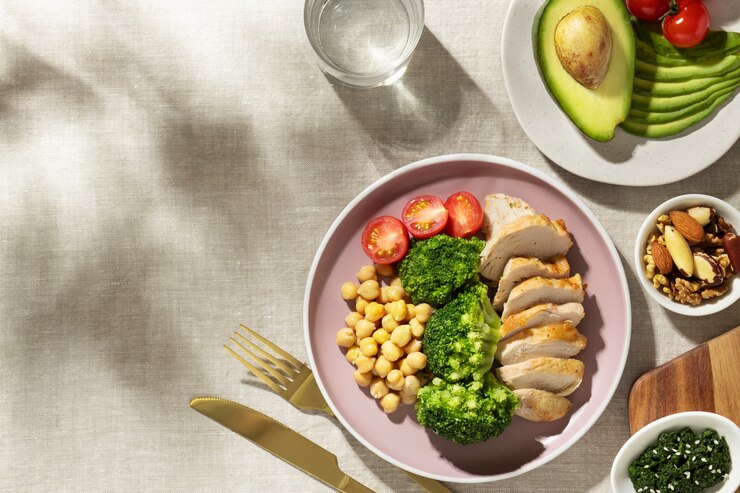
Our bodies rely on calories and carbohydrates for energy and heat production. Meals that are particularly light or low-carb might not provide sufficient fuel for warmth, leaving a person feeling chilly. This is why balancing macronutrients such as proteins, fats, and carbs, is key to maintaining steady energy levels.
Spicy Foods and Metabolism Boosters
While spicy foods often cause a hot feeling after eating or even sweating, they can also have a cooling effect after the body’s initial response. For example, eating a hot curry might make a person sweat initially, the aftermath could eventually leave a person shivering. This could also be the case when in an air-conditioned room.

Physiological and Hormonal Factors
Insulin Response
When a person eats food, their pancreas releases insulin to help manage blood sugar levels. A rapid insulin spike, especially after a meal loaded in simple carbohydrates, can lead to sudden drops in blood sugar. This hypoglycemic response can cause chills, shakiness, or sweating after eating.
Thyroid Function
The thyroid gland regulates metabolism and body temperature. An underactive thyroid is known as hypothyroidism. With this condition, the body’s ability to generate heat may be compromised. This may make one feel cold after meals. Thyroid issues are relatively common, so if you’re consistently cold, a check-up might be in order.
Hormonal Changes in Women
Hormonal fluctuations during menstruation, pregnancy, or menopause can influence body temperature regulation. For example, during menopause, many women experience hot flashes but may also feel colder at times, particularly after meals.
Dehydration and Electrolyte Imbalances
Impact of Hydration on Body Temperature
Staying hydrated is crucial for maintaining proper circulation and body temperature. Dehydration can lead to poor blood flow and, consequently, a sensation of coldness. If you often feel cold after eating, consider increasing your water intake throughout the day.
Electrolyte Imbalances
Electrolytes such as sodium, potassium, and magnesium are vital for regulating body functions, including temperature. Imbalances, which can occur due to poor diet or excessive sweating, may exacerbate post-meal chills.
Underlying Health Conditions That May Cause Chills After Eating
Anemia
Iron-deficiency anaemia is a common cause of feeling cold, especially among women. Iron is essential for producing haemoglobin, which carries oxygen throughout the body. Without enough iron, your circulation suffers, and you may feel cold even after eating.
Hypoglycemia (Low Blood Sugar)
A rapid drop in blood sugar levels can cause chills, sweating, or even dizziness after meals. This is particularly common in people with diabetes or those who consume meals high in sugar or refined carbs.
Digestive Disorders
Conditions like irritable bowel syndrome (IBS) or gastroparesis can interfere with digestion and the body’s ability to regulate temperature. If you have ongoing digestive symptoms along with post-meal chills, consulting a doctor is advisable.
Raynaud’s Disease
This condition affects blood circulation, particularly in extremities like fingers and toes. Raynaud’s can be triggered by temperature changes, including those caused by eating, leading to a sensation of coldness.
Infections or Inflammatory Conditions
Infections or autoimmune disorders can affect your body’s ability to regulate temperature. If you experience chills after eating alongside symptoms like fever, fatigue, or joint pain, it’s essential to seek medical advice.
Tips to Prevent or Manage Feeling Cold After Eating
Dietary Adjustments
- Opt for warm, nutrient-dense meals, particularly during colder months. Soups, stews, and roasted veggies are excellent choices.
- Balance your meals with adequate proteins, healthy fats, and complex carbohydrates.
- Avoid overly cold foods and drinks, especially if you’re already feeling chilled.
Lifestyle Changes
- Stay active before and after meals to boost circulation. A light walk after eating can do wonders for digestion and temperature regulation.
- Dress in layers if you’re prone to chills, especially when dining in air-conditioned settings.
When to Seek Medical Advice
If you consistently feel cold after eating, or if this symptom is accompanied by fatigue, unexplained weight changes, or digestive discomfort, consult a healthcare professional. They may recommend blood tests to check for conditions like anaemia, thyroid disorders, or blood sugar irregularities.
Treating a Burnt Palate
On the topic of food and body sensations, a burnt palate from sipping too-hot coffee or biting into a piping-hot pizza can also affect your dining experience. To treat a burnt palate, rinse your mouth with cool water, avoid spicy or acidic foods for a few days, and consider using soothing remedies like honey or aloe vera gel. This ensures your next meal isn’t overshadowed by discomfort.
Conclusion
Feeling cold after eating might seem unusual, but it’s often linked to factors like digestion, food choices, hydration, or underlying health conditions. While many causes are harmless and manageable, persistent chills should not be ignored. By paying attention to your diet, lifestyle, and overall health, you can address this peculiar post-meal sensation. And for those wondering, “Why do I sweat when I eat?” or experiencing a hot feeling after eating, these issues also tie into the fascinating complexity of our body’s temperature regulation—a topic worth exploring further with your healthcare provider if needed.