
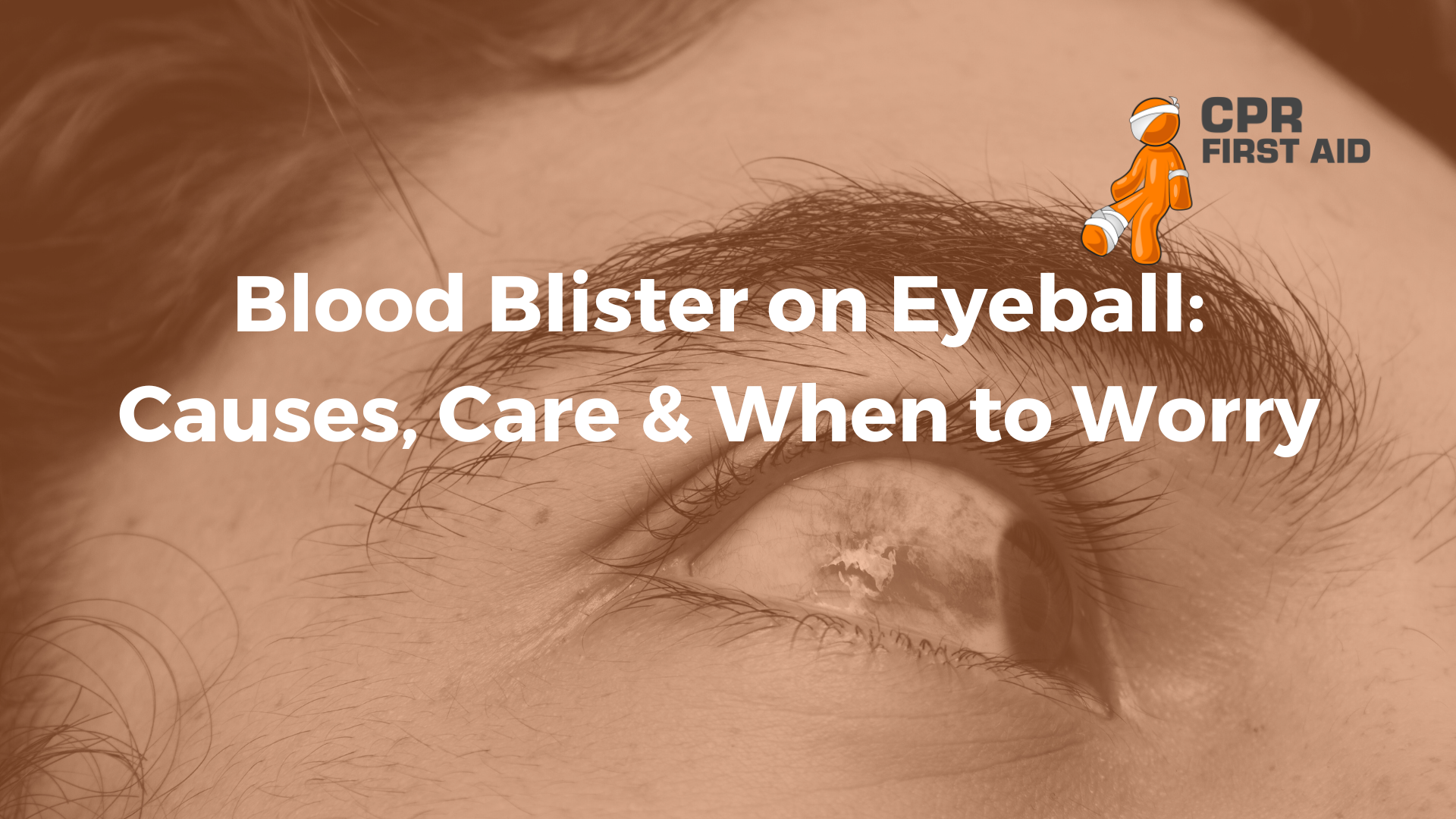
A subconjunctival haemorrhage, sometimes referred to as a blood blister on the eyeball, manifests as a bright red or blood-filled patch on the white of the eye. Although red eyes can be frightening, they are usually benign and go away on their own without the need for medical attention. We will go over the causes, symptoms, available treatments, and when to get medical help in this extensive guide. You can better manage this condition and determine when to seek medical advice if you understand it.
What is an eyeball blood blister?
Subconjunctival haemorrhage, the medical term for a blood blister on the eyeball, is caused by the rupture of tiny blood vessels in the conjunctiva, the thin membrane that covers the white portion of the eye. A red or dark patch appears on the white of the eye as a result of blood seeping into the area beneath the conjunctiva. Despite the condition’s frightening appearance, it is usually benign, does not impair vision, and goes away on its own without the need for medical intervention.

The red patch may last for a few days or even weeks before going away because the conjunctiva does not absorb blood very quickly. This condition is typically brought on by mild trauma or physical strain. On the other hand, severe or recurrent episodes might indicate a medical problem that needs to be treated.
Typical Reasons for Eyeball Blood Blisters
It can be easier to prevent and treat blood blisters on the eyeball if you know what causes them.

Small-scale trauma
Minor eye trauma is the most frequent cause of a blood blister on the eyeball. The following are some commonplace activities that may cause this:
- Excessive eye rub: This has the potential to easily burst the eye’s fragile blood vessels.
- Foreign objects in the eye: Sand, dust, and other debris can irritate the eye and cause conjunctival bleeding.
- Accidental pokes: Subconjunctival haemorrhage can result from even small accidents, like a child inadvertently poking your eye.
Elevated Blood Pressure
Small blood vessels in the eye may burst as a result of any activity that raises blood pressure suddenly. Typical triggers include the following:
- Sneezing
- Coughing
- Throwing up
- Physical strain or heavy lifting
These activities may result in a brief increase in blood pressure, which may shatter the delicate blood vessels in the eye.
Exposure to UV
Prolonged exposure to the sun can weaken the blood vessels in the eye, especially in places like Australia where UV levels are particularly high. The risk of subconjunctival haemorrhage can be decreased and damage to these blood vessels can be avoided by wearing sunglasses with UV protection.
Health Issues
The blood vessels in the eye may become more brittle and prone to rupturing as a result of certain medical conditions. These consist of:
- Elevated blood pressure: This weakens blood vessel walls, including those in the eyes, over time.
- Diabetes: Diabetes increases the risk of eye problems like subconjunctival haemorrhage by weakening blood vessels.
- Bleeding disorders: Disorders like thrombocytopenia or haemophilia affect the blood’s capacity to clot, increasing the risk of blood vessel rupture.
Drugs
Blood-thinning medications like aspirin, warfarin, and other anticoagulants can make subconjunctival haemorrhage more likely. When using these drugs, blood vessels may burst from even slight pressure or strain.
Signs of an Eyeball Blood Blister
A bright red or blood-filled patch on the white of the eye is the most noticeable sign of a blood blister on the eyeball. But other symptoms could be:
- A slight irritability or a sensation of eye fullness
- Most of the time, no pain or discomfort
- No changes in vision
- Rarely, pain, light sensitivity, or changes in vision could be signs of a more serious underlying problem that needs to be treated right away.
Should a Blood Blister on the Eyeball Concern You?
A blood blister on the eyeball is usually harmless and goes away on its own in a week or two. Nonetheless, there are some situations in which you ought to get medical help:
- After two weeks, the red spot either gets worse or stays the same.
- You feel pain, become sensitive to light, or have changes in your vision.
- Either the redness spreads or infection symptoms like discharge or swelling show up.
- You experience subconjunctival haemorrhage on a regular basis.
- You have a suspicion that the blood blister is related to a serious wound or underlying medical issue.
It is always best to seek professional advice from an eye specialist if you are unsure.
How to Treat an Eyeball Blood Blister
Even though the majority of blood blisters on the eyeball don’t need medical attention, there are some things you can do to help them heal and ease their discomfort:
Don’t rub your eyes.
Rubbing your eyes can exacerbate the condition and cause it to take longer to heal. Additionally, it may introduce bacteria into the eye, raising the possibility of infection.
Use a Cool Compressor
A cool compress can help relieve mild swelling and irritation. Gently place a fresh cloth on the closed eyelid after dipping it in cold water and wringing out any excess. This relieves some of the discomfort and offers comfort.
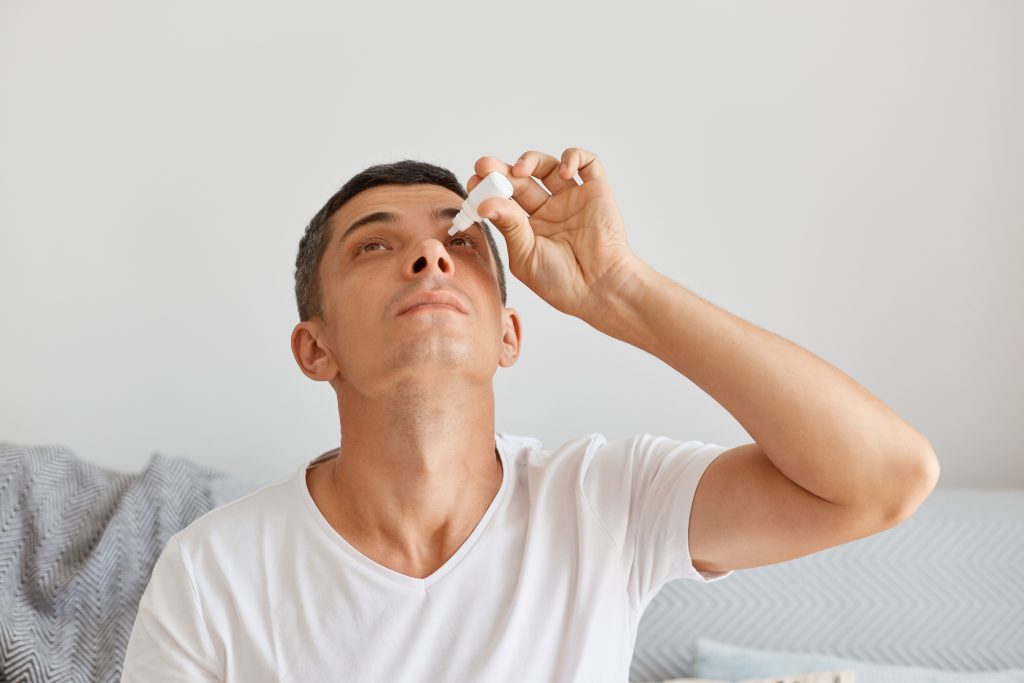
Use Artificial Tears If the blood blister is causing discomfort, over-the-counter artificial tears can help relieve dryness and mild irritation. They won’t, however, hasten the healing process.
Keep Your Eyes Safe from UV Rays
Protecting your eyes from UV rays is crucial if you live in a sunny place like Australia. Wearing UV-blocking sunglasses can lower the chance of more subconjunctival haemorrhages and stop additional harm to the blood vessels in the eye.
Frequently Held Myths Regarding Blood Blisters on the Eyeball
Regarding blood blisters on the eyeball, there are a number of myths. Let’s talk about a few of the most prevalent myths:
Myth 1: Blood blisters are always a sign of a serious issue
Fact: The majority of eyeball blood blisters are benign and go away on their own. To rule out any underlying conditions, it’s crucial to see a doctor if they continue or recur regularly.
Myth 2: You Must Not Use Your Eyes
Fact: Reading and watching TV are examples of normal eye use that is safe and won’t exacerbate the condition. But it’s crucial to refrain from overstretching or rubbing your eyes.
Myth 3: It Can Be Fixed with Over-the-Counter Eye Drops
Fact: Artificial tears don’t speed up the healing process, but they can be comforting. Over time, the blood will be naturally absorbed by the body.
In conclusion
Although it may seem concerning at first, a blood blister on the eyeball usually goes away on its own without the need for medical attention. You can take precautions and know when to get medical attention if you are aware of the signs and causes of a blood blister on the eyeball. It’s best to get a professional evaluation from an eye specialist if you encounter any of the above warning indicators. Visit CPR First Aid for extensive courses and resources on eye injuries and related first aid techniques.