

SEO Key Takeaways – High Blood Pressure Management
-
Definition & Prevalence: High blood pressure (hypertension) occurs when blood pressure consistently exceeds 140/90 mmHg. In Australia, ~1 in 3 adults have hypertension, with men more likely to have uncontrolled levels.
-
Blood Pressure Basics: Measured in mmHg: systolic (heart beats) and diastolic (heart rests). Normal readings: ~120/80 mmHg.
-
Dietary Contributors: High sodium, saturated fats, added sugars, and alcohol can raise blood pressure. Processed, packaged, and canned foods are major culprits.
-
Sugar & Hypertension: Excess sugar can cause weight gain, inflammation, insulin resistance, and directly increase blood pressure. Sugary drinks, pastries, and desserts are high-risk foods.
-
Alcohol Effects: Regular or excessive drinking elevates blood pressure through fluid retention and hormonal effects. Even occasional binge drinking can cause temporary spikes.
-
Caffeine Impact: High caffeine intake stimulates the sympathetic nervous system, raising heart rate and constricting blood vessels. Limit caffeine to 200–300 mg/day for better blood pressure control.
-
Healthy Diet Strategies: Follow DASH or Mediterranean diets rich in potassium, magnesium, calcium, fibre, fruits, vegetables, whole grains, and lean proteins to support heart health.
-
Salt & Sugar Reduction Tips: Cook meals from scratch, read labels for sodium and sugar content, and season with herbs and spices instead of salt.
-
Lifestyle Factors: Regular exercise, stress management, weight control, and avoiding obesity can significantly help in managing blood pressure.
-
Professional Guidance: Hypertension is a serious condition; always consult a healthcare professional for personalised advice and treatment plans.
What is High Blood Pressure?
High blood pressure, or hypertension, occurs when the force of blood against the walls of your arteries is consistently too high. According to the Australian Institute of Health and Welfare, about 1 in 3 people aged 18 and over have high blood pressure based on the 2017 to 2018 national health survey. Furthermore, men are more likely to have uncontrolled high blood pressure than women.
Blood pressure is measured in millimetres of mercury (mmHg) and is recorded as two numbers:
- Systolic pressure (the top number) measures the pressure in your arteries when your heart beats.
- Diastolic pressure (the bottom number) measures the pressure in your arteries when your heart rests between beats.
A regular blood pressure reading is typically around 120/80 mmHg. Hypertension is diagnosed when readings consistently exceed 140/90 mmHg. High blood pressure often develops gradually over time and, if left untreated, can lead to serious health problems, including heart disease, stroke, and kidney damage.

Why Do Certain Foods Raise Blood Pressure?
Certain foods can increase blood pressure by disrupting the balance of sodium, potassium, and body fluid. Sodium plays a crucial role in regulating blood pressure. According to the Heart Research Institute, too much sodium can cause the body to retain water, which increases blood volume in the vessels and raises blood pressure.
High-fat and sugary foods can also contribute to weight gain, adding strain to the heart and raising blood pressure. Additionally, highly processed foods and those with artificial additives can worsen hypertension by promoting inflammation and affecting normal body functions.
What are the Common Foods That May Increase Blood Pressure?
Several types of food can contribute to high blood pressure, especially when excessively consumed. These foods are often high in salt, unhealthy fats, sugar, or alcohol, negatively affecting heart health.
Processed and Packaged Foods
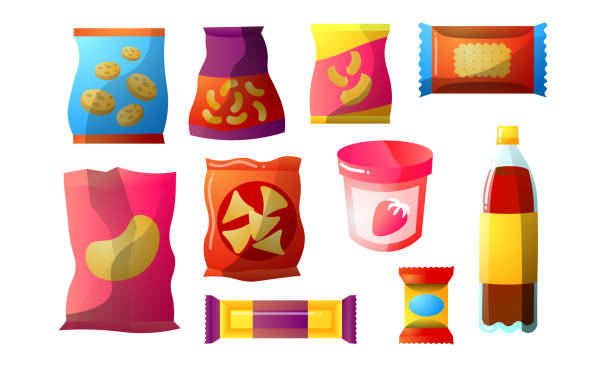
Many processed foods, such as ready meals, canned soups, and snack foods, are high in sodium and preservatives, which can raise blood pressure. Processed meats like sausages, bacon, ham, deli, and hotdogs are particularly problematic due to their high salt and fat content.
Packaged foods also often contain added sugars and unhealthy fats, which can lead to weight gain, another risk factor for high blood pressure.
- Canned Foods Often contain high amounts of salt (sodium) to preserve the product.
- Canned soups (e.g., tomato soup, chicken noodle soup)
- Canned vegetables (often preserved in salty brine)
- Canned beans (with added salt)
- Canned fish (e.g., tuna, sardines in oil or brine)
- Frozen and Instant Meals: Ready-to-eat meals are frequently packed with salt to enhance flavour and extend shelf life.
- Frozen pizzas, potatoes, breaded foods (especially those with processed meats and high sodium)
- Instant noodles and ramen (often contain added preservatives and high sodium)
- Snack Foods Often have large amounts of salt, contributing to high blood pressure.
- Potato crisps/chips
- Crackers (often high in salt)
- Popcorn (microwave varieties with added salt and butter)
- Packaged nuts (often salted)
Sugary Foods and Drinks
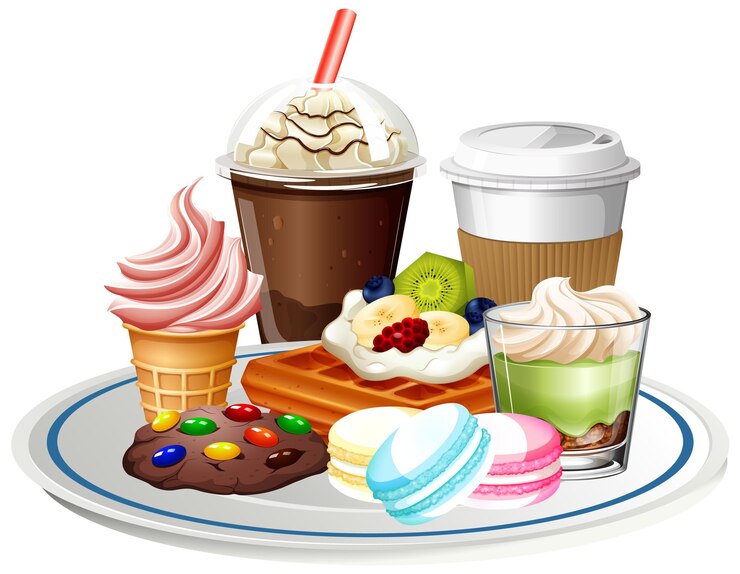
Consuming too much sugar, mainly added sugars and high-fructose corn syrup, can contribute to high blood pressure. Excess sugar can lead to weight gain, which puts extra strain on the cardiovascular system. Sugar may also directly raise blood pressure by causing inflammation, promoting insulin resistance, and increasing the sympathetic nervous system activity.
- Sugary drinks: Beverages like sodas, energy drinks, and sweetened teas are particularly harmful as they contain too much sugar.
- Pastries and sweets: Cakes, biscuits, and sweets contribute to excessive sugar intake, leading to weight gain and raising hypertension risks.
Alcohol
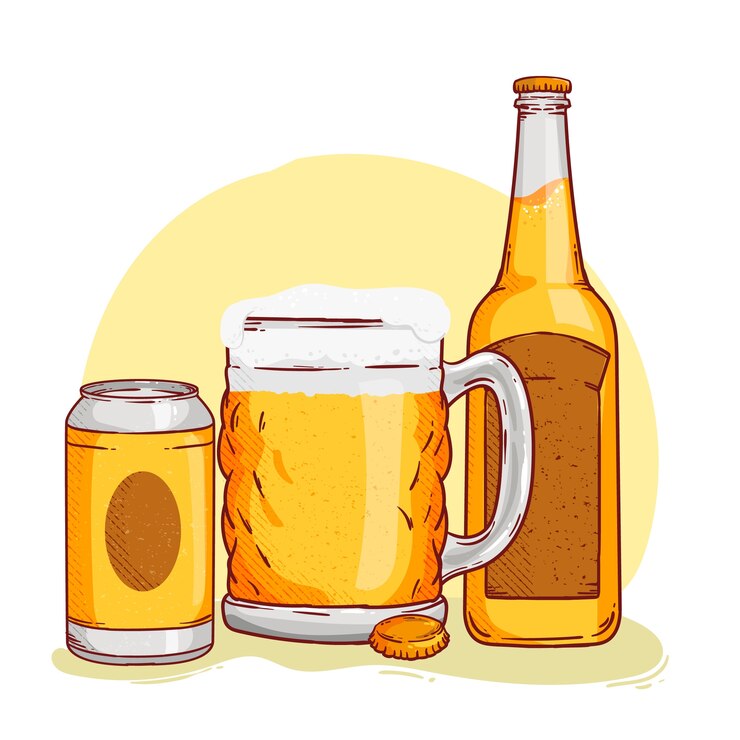
Excessive alcohol consumption can raise blood pressure, particularly when consumed in large amounts or regularly. While moderate alcohol intake may have some heart health benefits, excessive drinking is a well-known contributor to high blood pressure. Alcohol affects blood pressure by releasing certain hormones, such as aldosterone, which can cause fluid retention and increase the volume of blood in the arteries. Chronic heavy drinking can lead to long-term hypertension.
- Excessive drinking: Regularly consuming more than two drinks per day for men or one drink per day for women can increase blood pressure.
- Binge drinking: Even occasional binge drinking can cause temporary spikes in blood pressure.
How Sugar Contributes to High Blood Pressure
Excessive sugar intake, particularly sugary drinks, can increase insulin levels, which affects the kidneys’ ability to regulate fluid balance. High insulin levels also stimulate the sympathetic nervous system, constricting blood vessels and raising blood pressure. Moreover, sugary foods are often low in essential nutrients like potassium and magnesium, necessary for healthy blood pressure regulation.
What are the Effects of Caffeine on Blood Pressure?
Caffeine, a stimulant found in coffee, tea, energy drinks, and some soft drinks, can cause a short-term increase in blood pressure. Though the effect is temporary, regular caffeine consumption may contribute to long-term hypertension. Caffeine is expected to raise blood pressure by stimulating the sympathetic nervous system, increasing heart rate, and constricting blood vessels.
These are some of the high-caffeine drinks to avoid:
- Coffee: While moderate coffee consumption is generally safe, more than 4 cups a day can cause temporary spikes in blood pressure.
- Energy drinks: These often contain high levels of caffeine, sugar, and other stimulants that can significantly raise blood pressure.

Managing Caffeine Intake for Healthier Blood Pressure
If you have high blood pressure or are at risk, consider limiting your caffeine intake to no more than 200-300 mg per day (about 1-2 cups of coffee). Opting for decaffeinated coffee or herbal teas instead can provide a comforting drink without the stimulant effects.
Planning a Blood Pressure-Friendly Diet
A healthy diet is one of the most critical blood pressure management methods. You can control high blood pressure through the DASH (Dietary Approaches to Stop Hypertension) diet. It is designed to help reduce blood pressure. It focuses on eating foods rich in nutrients like potassium, magnesium, calcium, and fibre, which support healthy blood pressure levels. The Mediterranean diet is one of the recommended DASH diets.
Tips for Reducing Salt and Sugar
- Reduce your intake of processed foods. Choose fresh, whole foods and cook meals from scratch to reduce hidden salt and sugar.
- Read food labels: Look for products with lower sodium content and avoid those with added sugars. Choose low-sodium or no-salt-added versions of canned goods and frozen meals.
- Season with herbs and spices: Instead of salt, use garlic, lemon, basil, oregano, and other herbs to flavour food.
Healthy Meal Ideas for Blood Pressure Control
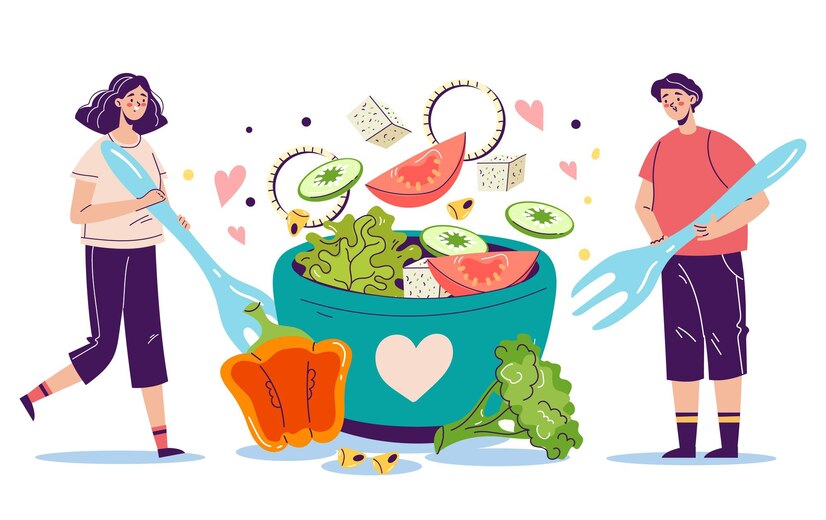
Maintaining a healthy diet is essential for controlling blood pressure, especially for those with high blood pressure (hypertension) or those aiming to prevent it. The key is to focus on the best foods for the heart that are nutrient-dense, support heart health, lower sodium intake, and help regulate blood sugar. Here are some simple meal ideas that can help manage blood pressure:
- Fruits and vegetables
- Whole grains
- Lean proteins
Other Factors That Affect Blood Pressure
While diet plays a significant role in managing blood pressure, several other factors can contribute to high blood pressure:
- Obesity
- Lack of physical activity
- Stress
- Age
- Genetics
Conclusion
High blood pressure is a severe condition that can lead to heart disease, stroke, and other complications if left unmanaged. By being mindful of your diet, limiting salt, sugar, alcohol, and caffeine, and maintaining a healthy lifestyle, you can reduce your risk of developing hypertension or better manage existing high blood pressure. A balanced, nutrient-rich diet such as the DASH diet, combined with regular exercise, stress management, and weight control, can help you achieve and maintain healthy blood pressure levels. Always consult a healthcare professional for personalised advice and recommendations.