
SEO-Optimised Key Takeaways – Boils (Furuncles) & First Aid
-
Boils (furuncles) are painful, pus-filled lumps caused by bacterial infections, commonly appearing on hairy or friction-prone areas like the face, neck, armpits, buttocks, and thighs.
-
Primary cause: Staphylococcus aureus bacteria entering through cuts, hair follicles, or sweat glands; risk increases with poor hygiene, excessive sweating, weakened immunity, skin conditions, or close contact with infected individuals.
-
Home first aid treatment: Keep the area clean, apply warm compresses 3–4 times daily, and use antiseptic cream after drainage begins to prevent infection.
-
Bandaging: Cover boils with a sterile bandage to protect from bacteria, prevent irritation, and reduce spread to other body parts.
-
Avoid harmful practices: Do not squeeze or pop boils, avoid harsh soaps or chemicals, refrain from sharing personal items, and avoid tight clothing to promote faster healing.
-
Medical attention required if boils are >5 cm, very painful, spreading redness, accompanied by fever, or pus has a foul smell.
-
Doctor treatments may include drainage, antibiotics, or medicated topical creams for severe or persistent infections.
-
Preventive measures: Practise regular hand and body hygiene, wear clean breathable clothing, and promptly clean minor cuts or wounds with antiseptic.
-
Recurring boils: Maintaining hygiene, clothing choices, and wound care significantly reduce the risk of future infections.
-
First aid education: Taking a CPR and first aid course equips you with knowledge to manage boils safely and prevent complications.
Boils are painful, pus-filled lumps that form under the skin due to bacterial infections. While they often heal on their own, proper treatment can help speed up recovery and prevent complications.
In this article, we’ll explore what causes boils, how to treat them at home, when to see a doctor, and how to prevent them from coming back.
What is a Boil?
A boil, also known as a furuncle, is a red, swollen lump that develops when a hair follicle or oil gland becomes infected. It often starts as a tender bump and gradually fills with pus as the immune system fights off the infection. According to Health Direct, boils can appear anywhere on the body but are most common in hairy areas that are prone to friction, such as the face, neck, armpits, buttocks, and thighs.

What are the Common Causes of Boils?
Boils are primarily caused by Staphylococcus aureus, a type of bacteria that lives on the skin. When it enters the body through cuts, hair follicles, or sweat glands, it can lead to an infection. Other factors that increase the risk of developing boils include:
- Poor hygiene – Not keeping the skin clean can allow bacteria to thrive.
- Excessive sweating – Moist environments encourage bacterial growth.
- Weakened immune system – People with diabetes or other conditions that weaken immunity are more prone to infections.
- Close contact with infected individuals – Sharing towels, razors, or personal items can spread bacteria.
- Skin conditions – Eczema, acne, and other conditions that cause skin irritation can make infections more likely.
What is the First Aid Treatment for Boils?
Most boils can be treated at home with simple first aid measures. These steps can help relieve pain, reduce swelling, and promote healing.
How to Clean the Affected Area Properly
Keeping the boil and the surrounding skin clean is essential to prevent the infection from spreading. Follow these steps:
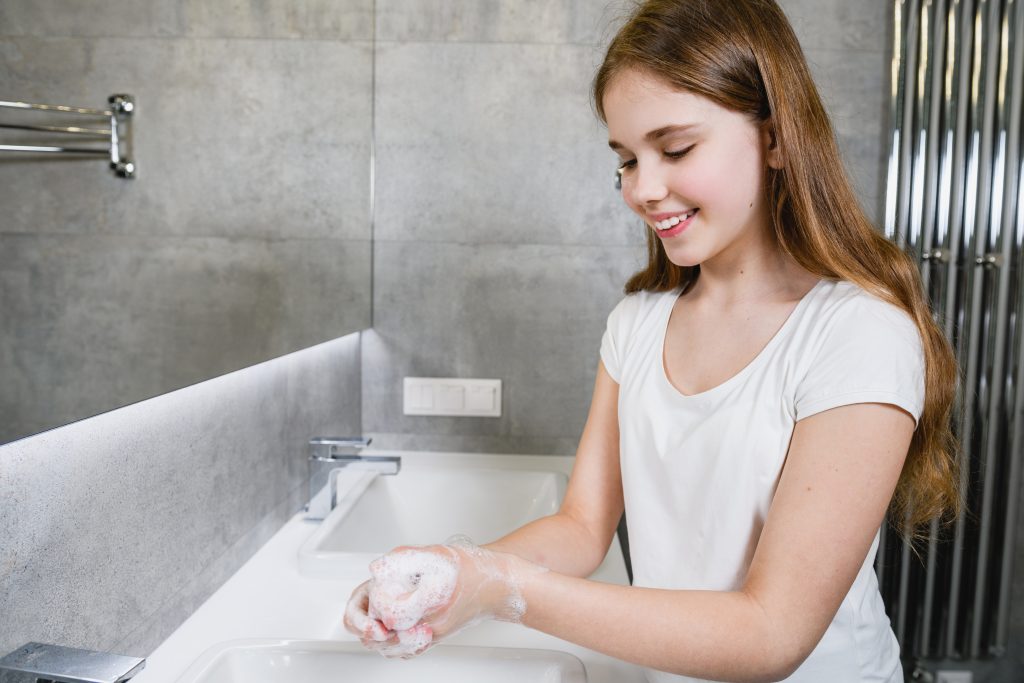
- Wash your hands thoroughly with soap and water before touching the boil.
- Gently clean the area using mild soap and warm water. Avoid scrubbing the boil, as this can worsen the infection.
- Pat the area dry with a clean towel or disposable tissue.
Using Warm Compress
Applying a warm compress can help soften the skin, encourage the boil to drain naturally, and reduce pain. Here’s how to do it:
- Soak a clean cloth in warm water and wring out the excess.
- Place the cloth over the boil for 10–15 minutes.
- Repeat this 3–4 times a day until the boil starts draining on its own.
Applying Antiseptic Cream
Once the boil begins to drain, applying an antiseptic cream can help prevent further infection. Use a clean cotton swab to apply the cream gently over the affected area.
Covering the Boil with a Clean Bandage
After cleaning and applying antiseptic cream, cover the boil with a sterile bandage to:
- Protect it from dirt and bacteria.
- Prevent irritation from clothing.
- Reduce the risk of spreading the infection to other parts of the body.
What to Avoid When You Have Boils?
To prevent complications, avoid these common mistakes:
- Do not squeeze or pop the boil – This can push the infection deeper into the skin and cause more pain and swelling.
- Avoid using harsh soaps or chemicals – These can irritate the skin and slow down healing.
- Don’t share personal items – Towels, razors, and clothing can spread the infection to others.
- Avoid tight clothing – Friction and sweat can worsen the infection and delay healing.
When to See a Doctor?
While most boils heal on their own, some require medical attention.
Signs of Infection to Watch For
Seek medical help if you notice any of the following:
- The boil is larger than 5 cm or keeps getting bigger.
- Redness and swelling spread beyond the boil.
- You have a high fever or chills.
- The boil is extremely painful and does not improve with home treatment.
- Pus or fluid has a foul smell.
Treatment Options from Your GP
If the boil does not improve, a doctor may recommend:
- Drainage procedure – A small incision may be made to drain the pus safely.
- Antibiotics – If the infection is severe or spreading, a doctor may prescribe antibiotics to clear the bacteria.
- Topical treatments – Medicated creams or ointments can help speed up healing.
How to Prevent Boils?
Taking preventive measures can help reduce the risk of developing boils in the future.
Practising Good Hygiene
- Wash your hands regularly with soap and water.
- Bathe daily and use antibacterial soap if prone to skin infections.
- Avoid touching your face and body with unclean hands.
Wearing Clean, Breathable Clothing
- Choose loose-fitting clothes made from natural fabrics like cotton to reduce sweat buildup.
- Change out of sweaty clothes as soon as possible after exercise.

Keeping Cuts and Wounds Clean
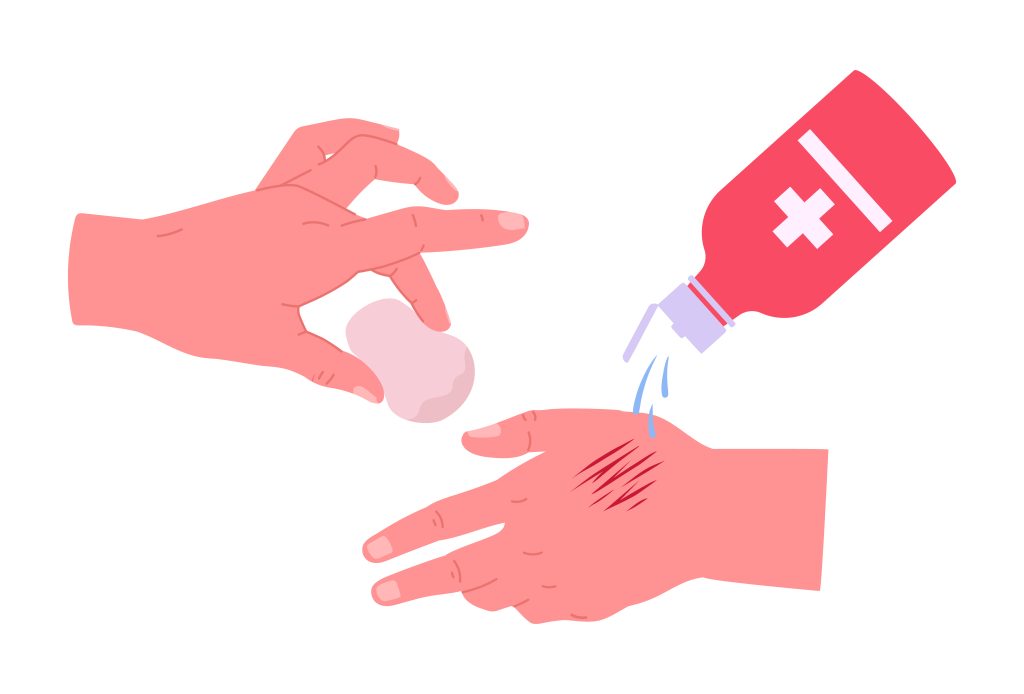
- Clean any minor cuts, scratches, or insect bites immediately with soap and water.
- Apply antiseptic cream and cover wounds with a bandage to prevent bacterial infection.
Conclusion
Boils are common skin infections that can be painful and uncomfortable, but they usually heal with proper care. Keeping the affected area clean, using warm compresses, and applying antiseptic cream can help speed up recovery. Avoid squeezing the boil, and seek medical help if symptoms worsen.
Practising good hygiene, wearing clean clothing, and keeping wounds clean can significantly reduce the risk of boils. By taking these simple precautions, you can keep your skin healthy and free from infections.
Prompt medical attention can prevent complications and ensure proper healing. You can do your part by providing appropriate care, which can be learned by taking a first aid course. Take a course today.