
Understanding the Relationship Between Social Media and Mental Health
Social media plays a powerful role in shaping mental health—both positively and negatively. For many Australians aged 20–50, especially first-time workers and employees, it’s an integral part of daily life. Research highlights that while social media can provide meaningful connections and emotional support, it can also trigger anxiety, depression, and self-esteem issues when used excessively or passively.
According to McLean Hospital and UC Davis Health, overuse of platforms like Instagram or Facebook can contribute to poor sleep, increased anxiety, and FOMO. However, these platforms also offer spaces for community, validation, and mental health advocacy.
The Psychological Mechanisms Behind Social Media’s Effects
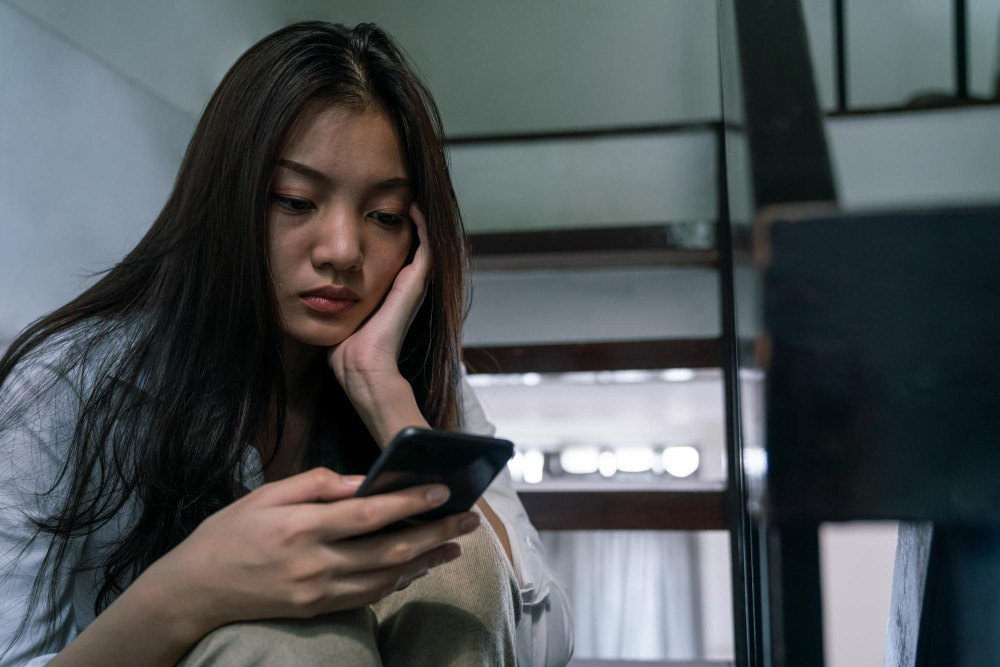
Understanding why social media affects mental health involves recognising the psychological processes it triggers.
The Role of Dopamine and Reward Systems
- Dopamine-driven feedback loops make social media addictive.
- Every “like,” comment, or notification provides a mini dopamine hit, reinforcing the habit.
- This reward system makes platforms more compelling but harder to disconnect from, similar to gambling or gaming.
Social Comparison and Self-Esteem
- Social media encourages comparison culture — often with unrealistic portrayals of life.
- People tend to compare their behind-the-scenes to others’ highlight reels, affecting:
- Self-worth
- Confidence
- Body image
- Self-worth
- These distorted comparisons may erode self-esteem and contribute to mood disorders.
Demographic Differences: How Age, Gender, and Occupation Influence Effects
Not all users experience social media the same way. Its mental health impact differs by age group, gender, and work stage.
Young Adults and Early Career Workers
- Often under career pressure and social expectations, early-career Australians (20s–30s) are:
- More likely to experience workplace FOMO
- More reliant on LinkedIn and Instagram for identity and validation
- More susceptible to burnout and imposter syndrome
- More likely to experience workplace FOMO
Gender Differences in Social Media’s Mental Health Impact
- Women tend to report higher levels of anxiety, body dissatisfaction, and comparison-based distress.
- Men, while less likely to report issues, are not immune — especially regarding online validation and identity.
The Positive Effects of Social Media
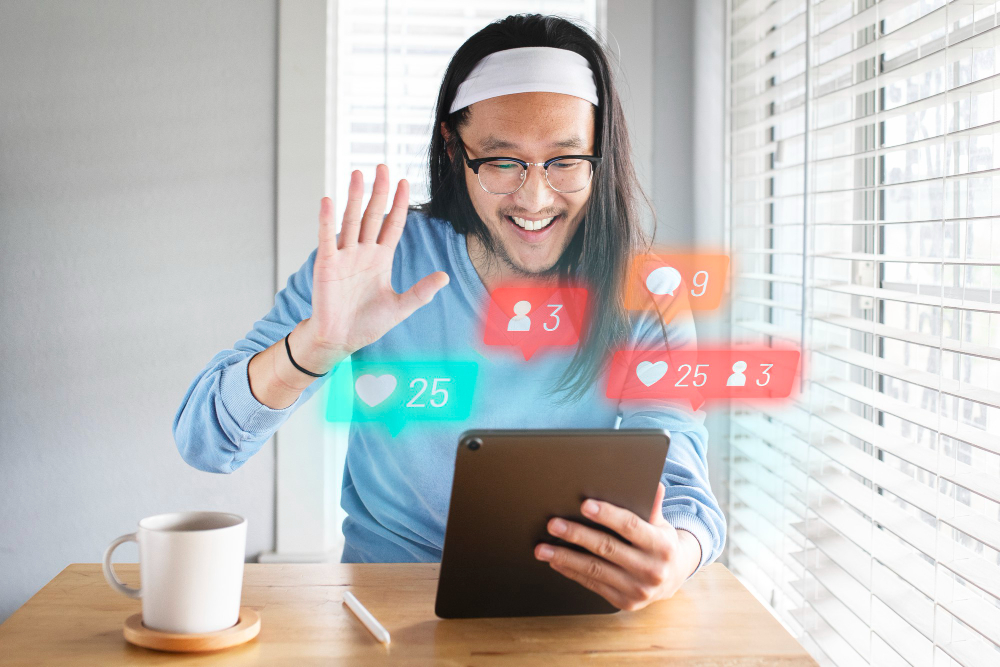
Social media isn’t all bad—when used intentionally, it can positively impact wellbeing:
- Connection & Community: Platforms help people maintain relationships, especially during isolation.
- Support Networks: Mental health communities and peer groups offer guidance and reduce feelings of loneliness.
- Self-Expression: Creative sharing through reels, posts, or blogs fosters self-confidence and identity building.
- Access to Resources: Users can discover mental health content, coping strategies, and links to professional help.
The Negative Effects of Social Media
Despite its benefits, social media poses several mental health risks:
- Addiction: Compulsive checking and scrolling can disrupt work and sleep.
- Anxiety & Depression: Comparing lifestyles, achievements, or appearances can foster insecurity.
- Loneliness: Online connections may lack the emotional depth of real-life relationships.
- FOMO (Fear of Missing Out): Seeing others’ highlights may lead to feelings of exclusion.
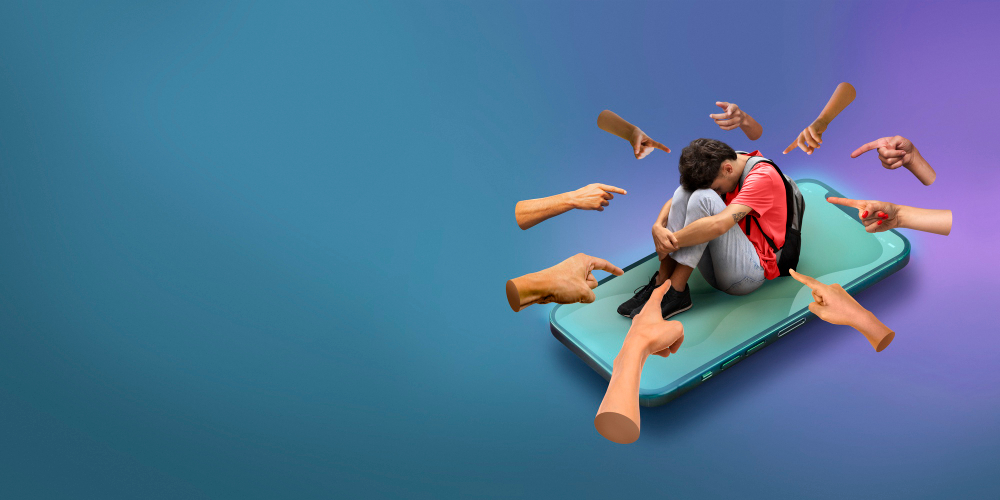
- Cyberbullying: Online harassment can deeply impact emotional wellbeing.
How Different Social Media Platforms Impact Mental Health
Visual Platforms and Body Image Issues
Instagram, TikTok, and Snapchat rely heavily on image-based content. This visual emphasis can drive:
- Unrealistic beauty standards due to filters and editing
- Body dissatisfaction and disordered eating
- Constant comparison to influencers and curated lifestyles
Professional Networks and Career Anxiety
LinkedIn, while career-focused, can lead to:
- Imposter Syndrome: Seeing others’ achievements may create self-doubt.
- Job Comparison Stress: Pressure to appear professionally successful
- Validation-Seeking Behaviour: Engagement metrics may influence self-worth
Key Risk Factors That Make Social Media Harmful
Excessive Screen Time
Numerous studies associate screen time over two hours daily with heightened mental health issues. Overuse can:
- Disrupt sleep patterns
- Reduce productivity
- Increase stress levels
Passive vs. Active Use
- Passive Use (just scrolling) is linked to loneliness and depression.
- Active Use (commenting, sharing) may foster better mood and connectedness.
Social Media Addiction and Its Psychological Effects
Dopamine Loops and Habit Formation
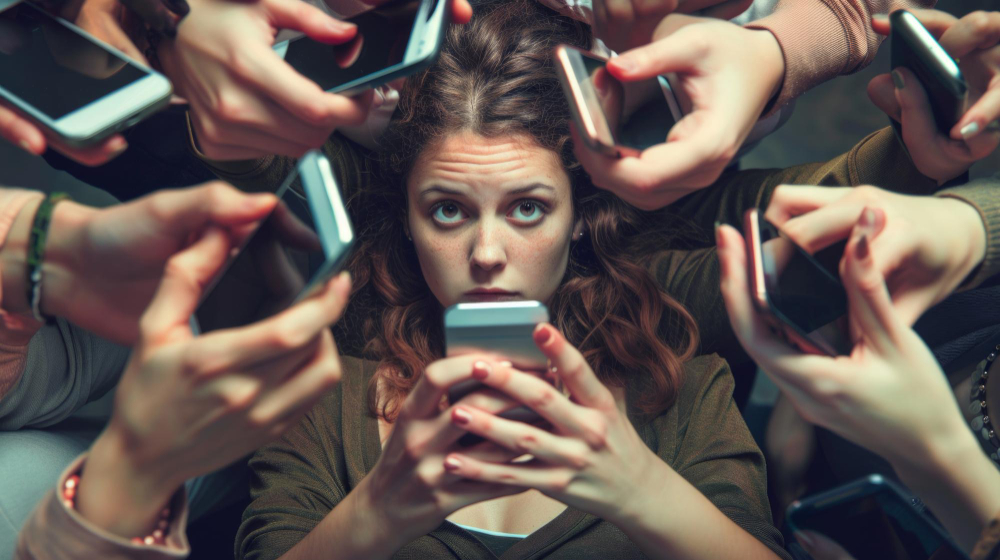
As stated previously, social media triggers dopamine release—our brain’s “feel good” chemical—creating cycles of compulsive checking. This is similar to gambling addiction, where intermittent rewards (likes, messages) keep users engaged.
Anxiety and Withdrawal Symptoms
When users are separated from their devices, they may experience:
- Restlessness or irritability
- Sleep disturbance
- FOMO or urge to check updates
Strategies to Manage Healthy Social Media Use
Setting Healthy Boundaries
Experts recommend:
- Using built-in time limits
- Turning off notifications
- Establishing “device-free” zones (e.g., meals, before bed)
Curating a Positive Online Environment
Shape your feed for wellbeing by:
- Unfollowing triggering or toxic accounts
- Following uplifting, supportive creators
- Engaging with mental health-positive content
When to Seek Professional Help
Signs You Need Support
Social media may be harming your mental health if you notice:
- Trouble sleeping
- Mood swings or irritability
- Social withdrawal
- Poor work performance or concentration
- Feelings of hopelessness
Talking to a GP, psychologist, or mental health professional can help build healthier habits and coping strategies. While these individuals are here to help, early intervention is key. There is no earlier intervention than when you yourself recognise the signs and intervene. Consider perusing CPRFA’s mental health course catalogue to see all the skills and knowledge you stand to learn, and how you can better support yourself and those around you.
FAQ
Can social media improve mental health?
Yes—when used actively, for connection and support, it can foster belonging and reduce loneliness.
What are the warning signs of social media addiction?
Spending hours daily online, anxiety when offline, sleep issues, and prioritising apps over real-life activities.
How does Instagram affect mental health?
It can influence body image, self-esteem, and anxiety—especially through filters and idealised posts.
What social media platform is considered worst for mental health?
Research suggests Instagram has the most negative mental health impact due to its emphasis on appearance.
How much time on social media is considered healthy?
Experts recommend under 2 hours per day for non-work purposes to avoid adverse effects.
How can I use social media without harming my mental health?
Set limits, curate your feed, follow positive accounts, and take breaks regularly.
What should I do if social media makes me feel anxious?
Take a digital detox, talk to someone you trust, and consult a mental health professional if needed.
Is taking a social media break good for mental health?
Yes. Breaks can restore focus, improve sleep, and reduce stress.
How can I help someone struggling with social media addiction?
Encourage open discussion, suggest time-management tools, and help them connect with support resources.
Are there apps that can help limit social media use?
Yes—apps like Freedom, Forest, and Screen Time help manage digital habits effectively.