
Mental health imagery is a powerful tool that can help you reduce stress, regulate emotions, and build psychological resilience. Whether you’re entering the workforce for the first time or managing the pressures of daily life, imagery-based techniques offer a science-backed way to support your mental wellbeing—right from your mind’s eye.
In this guide, we’ll explore how mental imagery works, why it matters for mental health, and how you can apply it in practical, everyday ways. You’ll learn how to reduce anxiety, prepare for challenges, and strengthen emotional health—especially in work and life transitions.
Understanding Mental Health Imagery
What is Mental Imagery in Psychology?
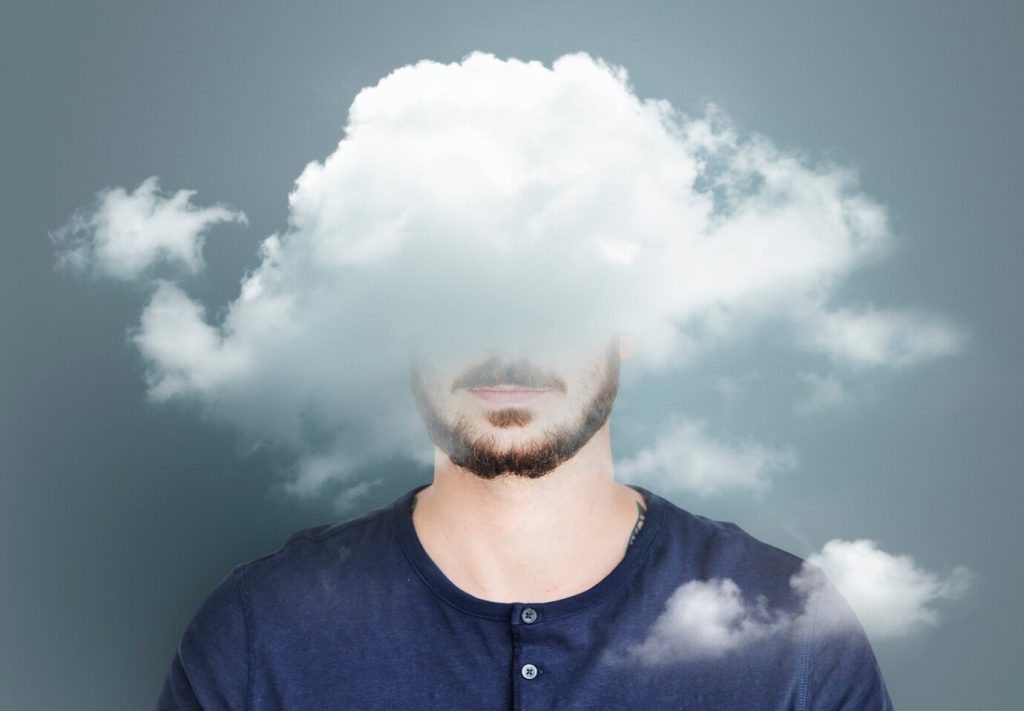
Mental imagery refers to the creation of sensory experiences in the mind without external stimuli. It isn’t just visual—it can also involve sounds, smells, emotions, and body sensations.
For example, imagining the sound of ocean waves, the warmth of the sun, or the feeling of calm confidence before a big meeting all count as mental imagery. These mental simulations can powerfully influence how we think, feel, and act.
How Mental Imagery Affects Mental Health
Mental imagery influences mental health through several mechanisms:
- Emotional regulation: Visualising calming scenes can reduce physiological arousal and soothe anxiety.
- Memory recall: Imagery helps retrieve and reinterpret memories, especially helpful in trauma recovery.
- Cognitive restructuring: Negative thoughts can be replaced by positive or realistic mental images to improve mood and thinking patterns.
Imagery is also a key element in cognitive-behavioural therapy (CBT) and trauma-informed approaches.
Science Behind Mental Imagery for Mental Health
Neural Pathways and Brain Activation
Brain scans show that visualising an event activates similar brain regions as actually experiencing it. For instance, imagining running can light up the same motor cortex areas involved in real movement. This overlap supports the idea that the brain responds to vivid thoughts almost as if they’re real, influencing emotion and behaviour.
Research Evidence for Mental Health Improvements
Studies have shown:
- Reduced anxiety with guided imagery and calming visualisation
- Improved coping in people with PTSD through positive imagery techniques
- Enhanced mood and self-esteem in those practicing daily mental rehearsals
A 2015 study in the Psychiatric Research Journal found that mental imagery exercises reduced depressive symptoms when used consistently. Another review published on PubMed Central showed that imagery training helped participants manage emotional distress more effectively.
Benefits of Mental Health Imagery
Mental imagery offers wide-ranging psychological benefits:

Reducing Anxiety and Stress
- Promotes relaxation and mindfulness
- Lowers cortisol levels and physical tension
- Interrupts negative rumination loops
Building Confidence and Resilience
- Helps mentally rehearse difficult conversations or stressful tasks
- Strengthens belief in one’s ability to succeed (self-efficacy)
- Builds a sense of emotional preparedness for daily challenges
Supporting Depression Recovery
- Encourages positive future-thinking and hope
- Boosts motivation through visualising goals
- Helps replace negative, intrusive thoughts with hopeful or neutral images
CPRFA’s Mental Health Level 2 Practitioner course teaches participants how to promote resilience and recovery. Enrol today to better support recovery.
Common Mental Health Imagery Techniques
Guided Visualization
A mental health app, therapist, or audio recording guides you to imagine a peaceful scene—like walking on a beach or sitting under a tree. This technique is ideal for calming the mind and easing anxiety.
Example: “Imagine the warmth of the sun on your skin, the sound of gentle waves, and the smell of sea breeze…”
Cognitive Restructuring Through Imagery
You identify a recurring negative image (e.g., failing at work) and replace it with a more realistic or positive scenario (e.g., handling mistakes constructively). This is often used in CBT techniques.
Example: Visualise handling feedback at work with confidence instead of freezing in fear.
Future-Oriented Positive Imagery
Also called “positive mental rehearsal”, this involves imagining a future event going well—such as acing a job interview or completing a challenging project.
Tip: Be specific. The more vivid the image, the more your brain processes it like a real experience.
How to Practice Mental Health Imagery Daily
You don’t need to be an expert or devote hours. Start small and integrate into daily habits.
Short Daily Exercises
- Morning visualisation (3–5 mins): Imagine your ideal day ahead.
- Evening wind-down: Picture yourself in a calm place as you get ready for bed.
- Gratitude visualisation: Visualise a moment you’re thankful for.
Using Imagery During Stressful Moments
- Pause during high-stress situations (like meetings or conflicts).
- Take a breath and visualise a calming scene or a positive memory.
- This short circuit can reduce your physiological stress response.
Mental Health Imagery in the Workplace
Preparing for Presentations and Meetings
Visualise:
- Walking into the room confidently
- Speaking clearly and connecting with the audience
- Feeling calm and in control
This helps reduce public speaking anxiety and boosts performance.
Managing Workplace Conflict
Before addressing tension with a colleague:
- Imagine the conversation going respectfully
- Picture yourself staying grounded, calm, and focused
- Visualise a constructive outcome
Mental imagery improves your readiness, tone, and problem-solving mindset.
Challenges and Limitations of Mental Health Imagery
While mental imagery is powerful, it’s not a cure-all.

When Imagery Might Not Work
- People with high anxiety or trauma may find imagery triggering
- Intrusive or negative thoughts can overpower the intended positive images
- Difficulty concentrating may make it hard to visualise
It’s important to know when to pause or shift techniques.
When to Seek Professional Support
If imagery leads to distress, confusion, or worsening symptoms, consult a psychologist or therapist. Trained professionals can guide you through structured imagery therapy, such as:
- Eye Movement Desensitisation and Reprocessing (EMDR)
- Imagery Rescripting
- Trauma-focused CBT with visualisation components
Resources for Further Learning
Here are some tools and platforms to explore:
- Beyond Blue – Guided meditations and stress resources
- Headspace Australia – Mental health support for young Australians
- Smiling Mind App – Free mindfulness and imagery practices
- BetterHelp Article – Mental imagery strategies explained
- PubMed Central Study – Scientific overview of imagery in therapy
FAQ
What is mental health imagery?
It’s the use of mental visualisation to influence emotions, thoughts, and behaviours in support of wellbeing.
How does mental imagery help with anxiety?
It activates relaxation responses, shifts focus, and reduces mental overload.
Can mental imagery techniques treat depression?
They can support recovery when used alongside therapy or medication.
How often should I practice mental imagery?
Even 3–5 minutes daily can make a difference. Consistency is more important than duration.
Are there mental health apps that use imagery?
Yes—Smiling Mind, Insight Timer, and Calm are popular choices.
What if mental imagery makes me more anxious?
Pause the practice and speak to a professional—guided approaches may be safer for you.
Is mental imagery part of therapy sessions?
Yes, it’s used in CBT, trauma therapy, and stress reduction programs.
How is mental imagery different from meditation?
Imagery focuses on specific scenarios, while meditation focuses on awareness and stillness.
Can anyone learn mental health imagery?
Yes—it’s a learnable skill that improves with practice and guidance.
What are examples of simple mental imagery exercises?
Imagine a peaceful place, a positive memory, or successfully completing a task you’re anxious about.