
Why Mental Health Pictures Matter
Visual storytelling plays a vital role in how Australians understand and engage with mental health. In both personal and professional settings, mental health pictures have the power to spark empathy, reduce stigma, and support conversations that promote wellbeing. Whether used in workplaces, social media, or blogs, the right image can humanise an issue that is often misunderstood.
Emotional Impact of Mental Health Images
Mental health images can evoke immediate emotional responses. A photograph showing isolation might trigger empathy, while a hopeful image can uplift or inspire. These emotional reactions can:
- Help normalise mental health conversations
- Make campaigns more relatable and human
- Encourage individuals to seek help or support others
The Role of Visuals in Workplace Wellbeing Programs
Companies across Australia are increasingly using mental wellbeing pictures in HR portals, newsletters, and digital screens. Whether it’s an image of community support or resilience, visuals help anchor workplace wellbeing initiatives in a more engaging, relatable format. Images can:
- Enhance mental health training materials
- Break up heavy content in emails or guides
- Set a positive tone for wellbeing campaigns
Additionally, CPRFA offers various courses that can supplement workplace wellbeing. Each course in the mental health course catalogue offers useful skills and knowledge. These are just some relevant topics from each course level:
- Mental Health Level 1 – The reduction of stigma in the workplace
- Mental Health Level 2 – Strategies for supporting adults in high-stress environments
- Mental Health Level 3 – The creation of long-term supportive frameworks
Types of Mental Health Pictures and What They Represent
Mental health photography is diverse — from clinical depictions of struggle to uplifting portrayals of recovery. Understanding the emotional tone behind each image type can help you choose visuals that align with your goals.
Images Depicting Anxiety and Stress
These images often use dark tones, blurred motion, or isolating compositions to represent tension. Common depictions include:
- A person holding their head in distress
- Shadows or confined spaces symbolising mental pressure
- Overwhelmed expressions or crowded visual elements
Images Depicting Recovery and Hope
Hopeful mental health pictures focus on support, growth, and connection. They often show:
- Smiling faces with friends or family
- Nature and open spaces
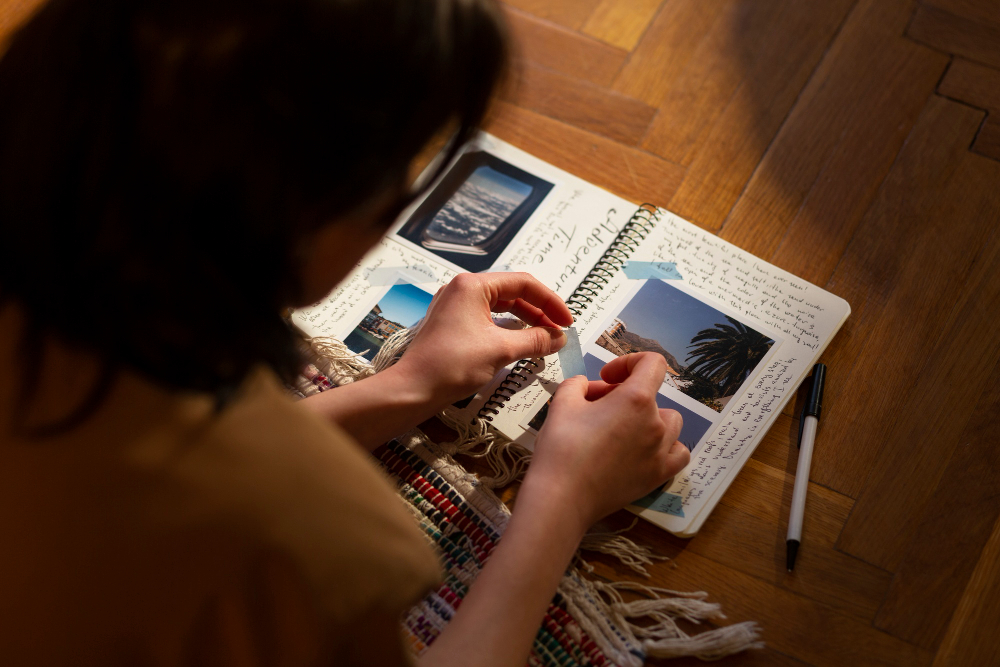
- People journaling, meditating, or walking peacefully
Illustrations and Conceptual Art for Mental Health
Abstract art and metaphorical imagery play an essential role in mental health visuals, especially for conveying internal experiences. Examples include:
- A person carrying an invisible weight
- Flowers growing from a broken heart
- Hands reaching out for support
Where to Find High-Quality Mental Health Pictures
Free Resources for Mental Health Images
Unsplash (https://unsplash.com/s/photos/mental-health) is one of the top platforms for free mental health pictures. Other options include:
- Pexels
- Pixabay
These platforms offer Creative Commons-licensed images, meaning they can typically be used for personal, blog, and non-commercial educational use. Always double-check licensing terms.
Premium Resources for High-Impact Visuals
For commercial or large-scale campaigns, stock image sites like Getty Images and iStock offer highly polished, diverse mental health stock photos. These platforms provide:
- Licensing for commercial use
- Better quality and model releases
- A broader range of diverse, inclusive imagery
While they come at a cost, the investment can be worthwhile for corporate wellbeing programs or high-traffic campaigns.
How to Choose the Right Mental Health Image
Matching Image Tone with Your Message
Ask: What do I want the viewer to feel?
- Use calm, soft-toned images for wellness campaigns or mindfulness blogs.
- Use strong, uplifting visuals when promoting resilience or recovery.
Think of the context: a mental health day poster in the workplace should uplift, not unsettle.
Avoiding Stereotypes and Harmful Representations
Avoid:
- Overly dramatic or hopeless imagery
- Photos that depict mental illness only through isolation or despair
- Stereotypes such as people with mental health conditions being dangerous or unstable
Instead, choose images that promote diversity, dignity, and humanity.
Ethical Considerations When Using Mental Health Pictures
Respecting Lived Experiences
Mental health is deeply personal. Using a picture without sensitivity can do more harm than good. Avoid trivialising serious conditions or misrepresenting the experience of mental illness.
Always:
- Consider whether the image is respectful
- Avoid using distressing imagery for shock value
- Use captions that reflect real and supportive language
Licensing and Copyright Basics
For any mental health image:
- Check the license type (e.g., Creative Commons, editorial use only, commercial use)
- Credit the creator if required
- Do not edit or manipulate sensitive images out of context
How Mental Health Pictures Can Support Personal and Workplace Wellbeing
Using Mental Health Images for Social Media Advocacy
Platforms like Instagram, Twitter, and LinkedIn are ideal for promoting mental health awareness. Use mental health visuals that:
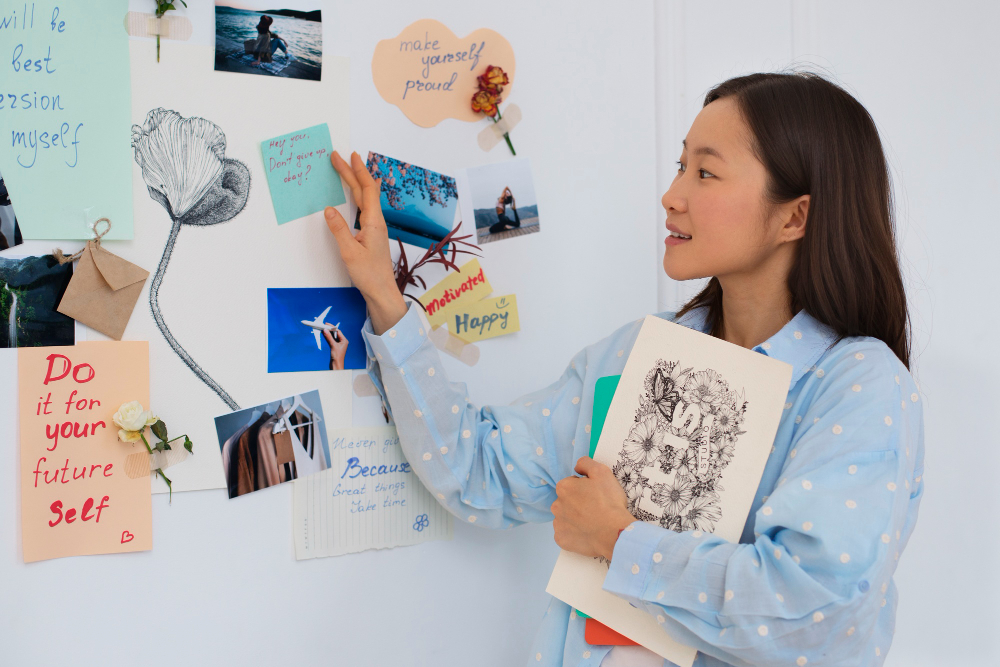
- Highlight self-care practices
- Share real stories with permission
- Promote community support
Hashtags like #MentalHealthAwareness or #WellbeingMatters can help spread positive messaging.
Incorporating Mental Health Pictures into Workplace Resources
Use images in:
- HR presentations
- Employee newsletters
- Mental health policy guides
- Digital office screens
Images can help make educational materials less clinical and more human.
Future Trends in Mental Health Imagery
AI and Custom Illustrations
AI tools are making it easier to create custom images that reflect specific moods or narratives. This includes:
- Custom avatars showing emotional states
- AI-generated metaphors for therapy materials
Custom art allows brands to tailor mental health imagery for their audience, increasing relevance.
Diversity and Inclusion in Mental Health Imagery
There’s a growing push for inclusive mental health photography, representing:
- All ages, body types, and cultural backgrounds
- LGBTQIA+ communities
- People with visible and invisible disabilities
Diverse imagery ensures everyone feels seen and reduces exclusion in mental health spaces.
Frequently Asked Questions
What are the best websites to find free mental health pictures?
Unsplash, Pexels, and Pixabay are popular for free, high-quality mental health images. Always check image licensing before use.
Why is it important to use positive images for mental health?
Positive images promote hope, reduce stigma, and foster open conversations around mental wellbeing.
How do I make sure a mental health image is not copyrighted?
Check the image license. Sites like Unsplash use Creative Commons, but commercial projects require proper permissions or stock image licensing.
Can I use mental health pictures in my company’s newsletter?
Yes, as long as the image license allows for commercial use and respects ethical representation.
What types of mental health pictures are most effective for workplace wellbeing?
Photos showing community, mindfulness, and support tend to be most effective. Avoid distressing or clinical imagery.
Are there ethical guidelines when sharing mental health photos?
Yes. Always respect privacy, avoid stereotypes, provide credit if needed, and do not misrepresent mental health experiences.
What is the difference between stock photos and conceptual art in mental health?
Stock photos are often literal, while conceptual art uses symbols and metaphors to communicate complex emotions.
How do visuals impact mental health awareness campaigns?
They improve engagement, emotional connection, and message retention—especially across digital and social media.
Can AI-generated images be used for mental health materials?
Yes, but verify copyright terms. AI tools are increasingly used for custom, inclusive, and emotionally resonant mental health imagery.
What trends are shaping mental health photography today?
Diversity, realism, AI-powered visuals, and inclusive representation are the key future directions.
Key Takeaways
- Mental health pictures play a vital role in awareness and wellbeing.
- Different image types evoke different emotions — choose wisely.
- Use free or paid image resources based on your purpose and licensing needs.
- Ethical use involves proper attribution, licensing, and respectful representation.
- Positive mental health visuals can improve personal mood and workplace engagement.