

Mental health support is more essential than ever, especially for Australians navigating the challenges of work, life, and emotional well-being. Whether you’re facing anxiety, stress, or a crisis, mental health helplines offer free, confidential, and immediate support. This guide breaks down the major mental health lines in Australia, explains how they work, and answers key questions so you know where and when to turn for help.
Understanding Mental Health Lines in Australia
What Are Mental Health Lines?
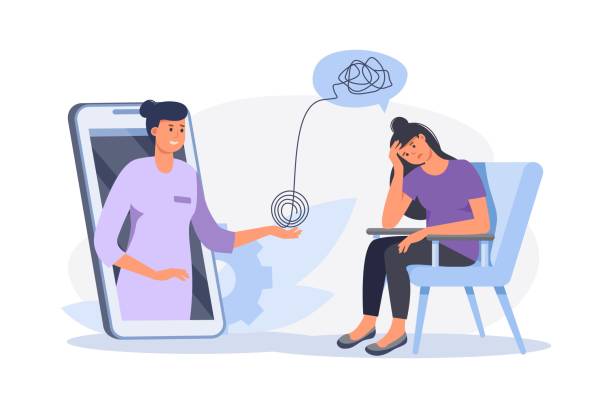
Mental health lines—also known as helplines or support lines—are telephone or online services providing immediate emotional assistance. Staffed by trained professionals or volunteers, they help people manage a range of mental health concerns, from everyday stress to crises. These services are often available 24/7 and cater to people of all ages and backgrounds.
How Mental Health Lines Work
When you call a mental health line, you’re connected to a trained support worker, counsellor, or nurse. They’ll ask questions to understand your situation and provide guidance, coping strategies, and referrals if needed. All conversations are confidential, and many services offer webchat or SMS for those who prefer not to speak aloud.
Key Mental Health Lines Australians Can Access
Beyond Blue Support Service
Website: beyondblue.org.au
Phone: 1300 22 4636
Availability: 24/7
Support Offered: Anxiety, depression, stress, workplace mental health, general wellbeing
Contact Methods: Phone, webchat, email
Beyond Blue is one of the most recognised mental health organisations in Australia. Its helpline provides professional support for people feeling overwhelmed, anxious, or low. The service is ideal for non-crisis situations and also offers tools and forums to help people understand their mental health.
Lifeline Australia
Website: lifeline.org.au
Phone: 13 11 14
Availability: 24/7
Support Offered: Crisis support, suicidal thoughts, emotional distress
Contact Methods: Phone, SMS (0477 13 11 14), webchat
Lifeline specialises in crisis intervention. If you’re feeling suicidal or in extreme distress, Lifeline is a critical first step. Their crisis supporters offer a safe, judgment-free space to talk and can connect callers to urgent services if required.
HealthDirect Helpline
Website: healthdirect.gov.au
Phone: 1800 022 222
Availability: 24/7
Support Offered: Mental health triage, nurse advice, healthcare navigation
Contact Methods: Phone
HealthDirect is ideal for individuals unsure of what kind of help they need. Nurses can provide guidance, assess symptoms, and direct callers to appropriate services, including GPs, psychologists, or community mental health programs.
NSW Mental Health Line
Website: health.nsw.gov.au
Phone: 1800 011 511
Availability: 24/7
Support Offered: Clinical mental health advice, triage, service referral
Contact Methods: Phone
For people living in New South Wales, the NSW Mental Health Line provides access to mental health clinicians who assess needs and guide callers to the right care, including local community mental health teams or emergency services.
When Should You Call a Mental Health Line?
Mental health lines are available for a wide range of situations. You don’t have to wait until a crisis—early support can prevent worsening symptoms.
Recognising Emotional Distress
Some signs it may be time to reach out include:
- Persistent feelings of sadness, hopelessness, or anxiety
- Trouble sleeping, eating, or concentrating
- Feeling overwhelmed or emotionally numb
- Thoughts of self-harm or suicide
- Feeling isolated or unable to cope with stress
Seeking Help for Someone Else
You can call a helpline if you’re concerned about a friend, colleague, or family member. Support workers can guide you on how to talk to them, what warning signs to look for, and what next steps to take.
What Happens During a Call to a Mental Health Line?

Typical Questions Asked
Helpline staff may ask:
- How are you feeling today?
- Have you felt this way before?
- Are you currently safe?
- Are you experiencing suicidal thoughts?
- Do you have a support network (friends, family, GP)?
These questions help assess your needs and determine the most appropriate support.
How Privacy Is Protected
When you reach out to a mental health helpline in Australia, your privacy is respected. You can choose to remain anonymous, and what you share stays confidential—unless there’s a serious concern for your safety or someone else’s, in line with mandatory reporting laws. Many services also explain their confidentiality policies, so you can feel safe and supported from the very first call.
Mental Health Lines vs. Other Support Options
Short-Term vs. Long-Term Mental Health Care
Mental health lines are not designed to replace long-term care but serve as a first step. They offer:
- Immediate listening support
- Coping strategies
- Risk assessment
- Referrals to psychologists, GPs, or crisis services
For ongoing treatment, mental health plans through your GP or professional counselling sessions are often more appropriate.
Additional Tips for Using Mental Health Lines
How to Prepare Before Calling
You don’t need to prepare, but having some information ready can help:
- A brief description of your feelings or situation
- Any history of mental health issues
- Contact details if you agree to follow-up referrals
What If You Can’t Talk?
If speaking aloud feels too difficult, many services offer alternatives:
- Webchat – Available via Beyond Blue and Lifeline
- SMS – Lifeline offers support via 0477 13 11 14
- Email – Some services respond to email requests within 24 hours
FAQs About Mental Health Lines in Australia
What is the best mental health helpline in Australia?
There’s no single “best” helpline—each has unique strengths. Lifeline is ideal for crisis support, while Beyond Blue suits general mental health concerns.
Are mental health lines free to use?
Yes, all major Australian mental health helplines are free.
Can I call a mental health line for someone else?
Yes, you can seek advice from a friend or family member.
What happens after I call a mental health line?
You may receive immediate support, coping advice, or a referral to local services depending on your needs.
How confidential are mental health lines?
Very. Your details are private unless there’s a risk of serious harm.
Are there mental health lines that offer chat or SMS options?
Yes, Beyond Blue and Lifeline offer webchat and SMS support.
What should I do if I need help but can’t speak English well?
Many helplines use translation services. TIS National (13 14 50) can also help connect you.
When should I call a mental health line instead of going to the hospital?
Call a helpline for non-life-threatening distress. Go to the hospital if you’re at immediate risk of harm.
Can a mental health line arrange ongoing counselling for me?
Yes, they can refer you to ongoing services, such as GPs, psychologists, or local clinics.
What’s the difference between Beyond Blue and Lifeline?
Lifeline handles crisis support and suicidal thoughts. Beyond Blue supports anxiety, depression, and everyday mental health issues.
Special Considerations
How Helplines Adapted During COVID-19
During the pandemic, many helplines extended their hours, trained more staff, and upgraded chat/SMS systems to handle increased demand. This shift improved accessibility and reduced wait times.
Accessibility Options
- Multilingual support: Interpreters are available for most services
- TTY and NRS: People with hearing or speech impairments can use National Relay Services (NRS)
- Web-based support: Chat and email options increase privacy and comfort
Youth-Specific and Culturally Specific Mental Health Lines
- Kids Helpline: 1800 55 1800 – For people aged 5 to 25
- 13YARN: 13 92 76 – A culturally safe space for Aboriginal and Torres Strait Islander peoples
- QLife: 1800 184 527 – Support for LGBTQIA+ communities
Key Points Recap
- Mental health lines are free, confidential, and available 24/7.
- Top services include Beyond Blue, Lifeline, HealthDirect, and the NSW Mental Health Line.
- They provide immediate, judgment-free support and guide users to ongoing care.
- You can call for yourself or someone else, and multilingual support is available.
- Preparation helps, but it’s okay to reach out even if you’re unsure of what to say.
Need Help Now?
If you or someone you know is in immediate danger, call 000. Otherwise, support is just a phone call or message away.