
Anti-inflammatory medicines are some of the most commonly used options for pain, swelling and short-term symptom relief in Australia. But while anti-inflammatory tablets can be helpful, they are not the right choice for everyone, every injury, or every type of pain. Many people use the terms anti-inflammatory drugs, anti-inflammatory meds, anti-inflammatories, medicated pain relief and anti-swelling drugs interchangeably, even though those products can work differently and carry different risks.
If you are trying to decide whether an anti-inflammatory is appropriate, it is useful to start with the basics. In most cases, people are referring to NSAIDs, which stand for non-steroidal anti-inflammatory drugs. These medicines can reduce pain, fever, redness and swelling by blocking prostaglandins, the body chemicals involved in inflammation and pain signalling. But NSAIDs do not fix the underlying cause of injury or illness, and they can cause side effects ranging from stomach upset to bleeding, kidney problems and increased cardiovascular risk in some people.
At CPR First Aid, medication topics sit within a broader first aid context: understand what a medicine does, know its limits, recognise red flags early, and get medical help quickly when symptoms are severe or unexpected. If you want a stronger grounding in emergency response, practical injury care and escalation decisions, CPR First Aid’s HLTAID011 Provide First Aid course is nationally accredited and designed for workplace and everyday emergencies.
Quick Answers About Anti-Inflammatory Medicines
Anti-inflammatory medicines usually refer to NSAIDs such as ibuprofen, aspirin, diclofenac and naproxen. In Australia, low-dose NSAIDs can often be bought over the counter, while stronger versions and some medicines, such as meloxicam, need a prescription. They are commonly used for short-term pain, swelling, fever, arthritis symptoms, period pain, muscle strains and sprains.
Not all pain medicines are anti-inflammatory. Paracetamol can help with pain and fever, but it does not significantly reduce tissue inflammation the way ibuprofen and other NSAIDs do. That distinction matters when comparing medicated pain relief options for headaches, soft-tissue injuries, arthritis flare-ups, or post-exercise soreness. For a simple comparison, see CPR First Aid’s guide to paracetamol vs ibuprofen.
NSAIDs should generally be used for the shortest time possible and at the lowest effective dose. They may be unsuitable for people who are pregnant, planning pregnancy, living with kidney or liver disease, managing stomach ulcers or gastrointestinal bleeding, or taking certain other medicines such as blood thinners. If symptoms are severe, persistent, or confusing, a pharmacist or GP should guide the decision rather than rely on guesswork or repeat self-treatment.
What “Anti-Inflammatory” Actually Means
Inflammation is part of the body’s natural defence and repair process. It can happen after injury, infection or irritation, and it often shows up as redness, heat, pain, swelling or reduced movement. In the short term, that response can be useful. The problem is that inflammation can also make symptoms more uncomfortable, limit function, and, in some chronic conditions, contribute to ongoing tissue stress and pain.
When people search for anti-inflammatory support, they are usually looking for one of two things. The first is medicine-based relief, usually in the form of anti-inflammatory tablets, capsules, gels, or creams. The second is lifestyle support, such as diet changes that may help reduce chronic inflammation over time. These are not the same thing. Medicines can offer targeted symptom relief, while anti-inflammatory eating patterns support long-term health rather than acting like instant painkillers.
That is why the question “What is the best anti-inflammatory?” does not have one universal answer. The right choice depends on the type of pain, the reason for inflammation, your age, pregnancy status, medical history, current medicines and whether you need short-term or longer-term management. CPR First Aid’s article on what is the best anti-inflammatory medication is a useful starting point if you want to understand common Australian options before speaking with a health professional.
Common Anti-Inflammatory Medicines in Australia
The main group of people that people mean by anti-inflammatory drugs is NSAIDs. Healthdirect explains that NSAIDs are used to relieve pain, reduce inflammation and swelling, lower fever and help manage conditions such as arthritis and some autoimmune conditions. In Australia, low-dose NSAIDs are available over the counter, while stronger doses and some specific drugs need a prescription.
Common examples include aspirin, ibuprofen, naproxen and diclofenac. Prescription-only or higher-strength options can include medicines such as meloxicam and other COX-2 inhibitors. These medicines come in more than one form, too. While anti-inflammatory tablets are the most familiar option, NSAIDs are also available as topical gels and creams, as well as in other formulations such as sprays, suppositories, and injections in specific settings.
That matters because not every situation needs a tablet. If pain is localised, a topical anti-inflammatory can sometimes be worth discussing with a pharmacist or GP. Healthdirect notes that topical pain-relief products may contain ibuprofen, diclofenac or piroxicam, and even topical products can still be absorbed into the bloodstream in small amounts, so the instructions still matter.
People also often compare anti-inflammatories with paracetamol. Paracetamol is widely used and can be a good first option for short-term pain and fever, but it is not considered anti-inflammatory in the same way NSAIDs are. If swelling is part of the problem, NSAIDs may be more relevant than paracetamol, but that does not automatically make them safer or more suitable for you. CPR First Aid covers this distinction again in its article on the pros and cons of anti-inflammatory tablets.
How Anti-Inflammatory Medicines Work
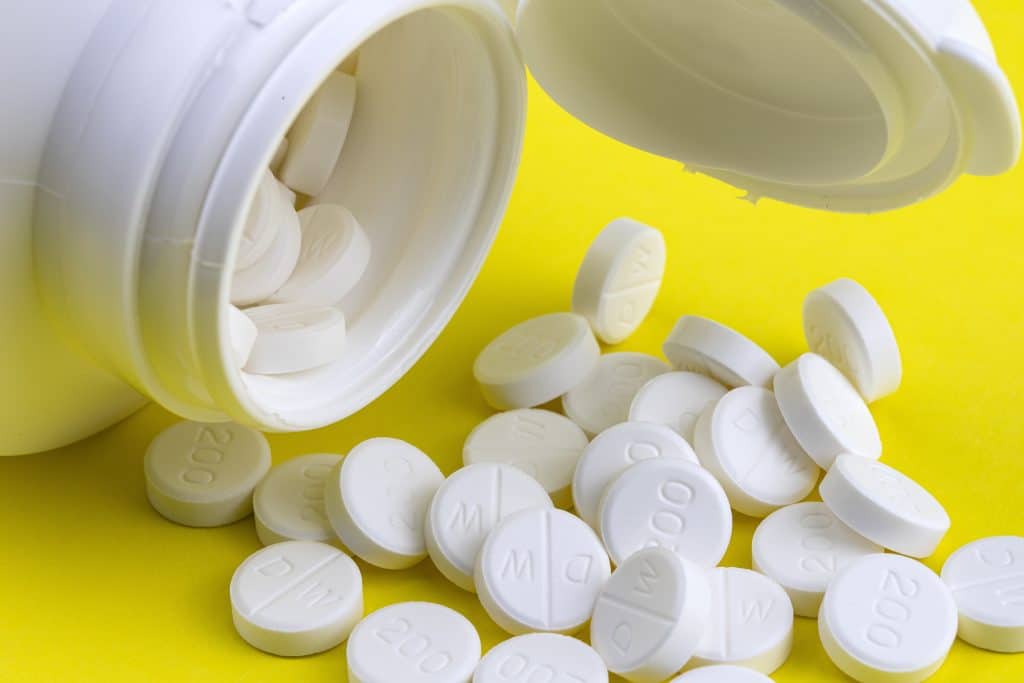
NSAIDs work by reducing the production of prostaglandins. These chemicals contribute to inflammation, swelling and pain sensitivity, and they also help protect the stomach lining. That is one reason the same mechanism that can help reduce pain and swelling can also increase the risk of stomach irritation and bleeding in some people.
This is also why anti-inflammatory meds can feel effective quite quickly for some types of pain, especially soft tissue injuries, period pain, headaches, arthritis-related pain and musculoskeletal flare-ups. But relief is not the same as resolution. Taking an NSAID may make a sprain, strain or overuse injury feel more manageable, yet it does not replace rest, protection, load management or proper assessment when symptoms are significant. For injury-related swelling support, CPR First Aid’s article on how to reduce swelling after injury is a useful companion read.
When Anti-Inflammatory Tablets May Be Helpful
Used appropriately, anti-inflammatories can be helpful for short-term symptom relief. Examples include muscle strains, sprains, some types of back pain, period pain, dental pain, arthritis symptoms, post-operative pain under medical advice, and headaches in some circumstances. Better Health Channel also notes that NSAIDs are used not only for inflammatory problems such as arthritis but also for some non-inflammatory conditions, including migraine, period pain and post-operative pain, as well as fever reduction.
This helps explain why some people describe them broadly as medicated pain relief rather than specifically as anti-swelling drugs. They are often doing both jobs at once: relieving pain and reducing inflammation. Still, the same medicine that is reasonable for a weekend sports injury may be the wrong choice for someone with a stomach ulcer history, uncontrolled blood pressure or dehydration after a gastrointestinal illness.
For everyday first aid situations, medicine should sit alongside sound care principles, not replace them. With minor soft tissue injuries, that may mean rest, ice wrapped in cloth, compression, elevation and monitored return to activity. With severe pain, obvious deformity, inability to bear weight, chest pain, breathing difficulty, black stools, vomiting blood, collapse or confusion, the issue is no longer simple self-care.
Risks and Side Effects You Should Not Ignore
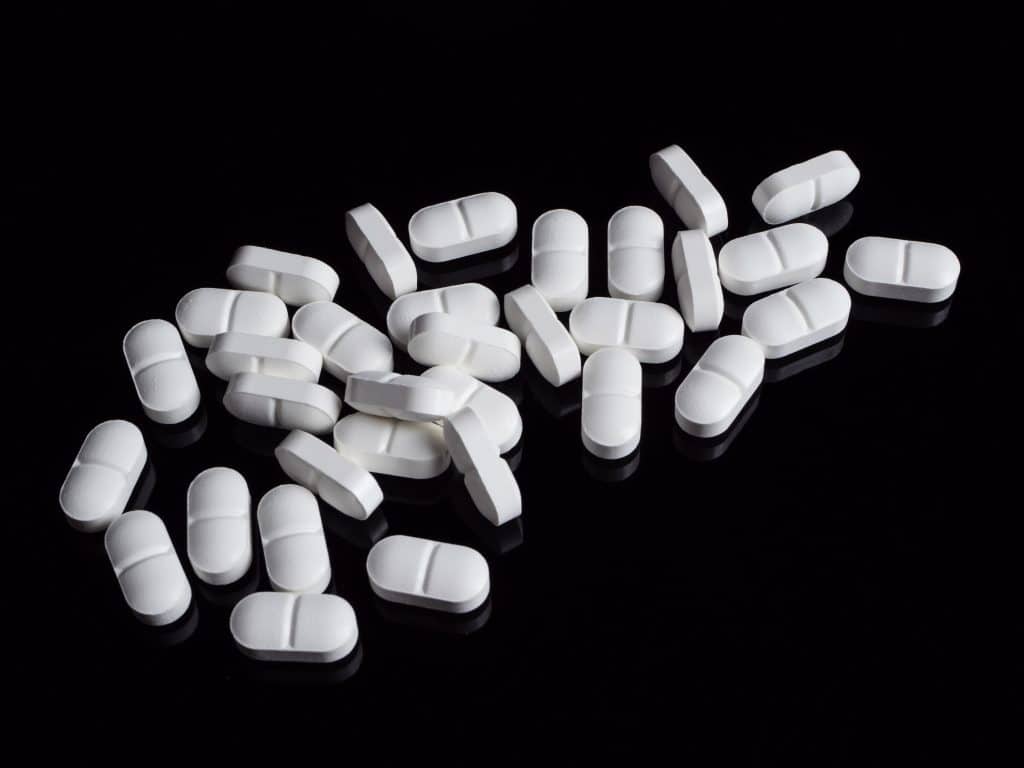
NSAIDs can cause common side effects such as nausea, heartburn, indigestion, dizziness, drowsiness, ringing in the ears, fluid retention, dehydration and raised blood pressure. Less common but more serious harms include stomach bleeding, kidney problems, asthma triggers in some people, and a small increase in the risk of heart attack or stroke. Better Health Channel also warns that NSAIDs can cause serious side effects, some of which may be life-threatening, and should be used cautiously, for the shortest time possible and at the lowest effective dose.
The stomach risk is especially important. Because prostaglandins also help protect the stomach lining, NSAIDs can irritate the gastrointestinal tract and increase the chance of ulcers or bleeding. Healthdirect advises stopping NSAIDs and seeing a doctor if there are warning signs such as abdominal pain, blood in the stool, very dark stool, or vomit with dark coffee-coloured bits.
Long-term use and “stacking” medicines can further increase the risk. One common mistake is accidentally taking more than one NSAID across different products, such as using ibuprofen for a headache while also taking a cold-and-flu product containing another NSAID. Healthdirect specifically warns about accidental overdose and recommends checking with a pharmacist or doctor if you are not sure what is in a medicine.

Who Should Be Extra Careful With Anti-inflammatories?
Healthdirect says you should not take NSAIDs if you are allergic or hypersensitive to them, are pregnant or planning a pregnancy, have a kidney or liver condition, or have a gastrointestinal ulcer or bleeding. Aspirin should not be given to children under 12 unless advised by a doctor because of the rare but potentially life-threatening risk of Reye’s syndrome.
Caution is also needed if you already have reflux, stomach ulcers, stomach bleeding, high blood pressure, heart problems, diabetes, asthma, kidney disease or liver disease. Risk rises further if you are older than 65, dehydrated, already taking another NSAID, or using the medicine for longer than recommended. NSAIDs can also interact with cardiovascular medicines, blood thinners and some other prescription medicines.
This is where a pharmacist can be incredibly valuable. A quick check can help you avoid unsafe combinations, duplicated ingredients or a medicine that is a poor fit for your medical history. For workplace carers and support workers who want greater confidence in safe medication support, CPR First Aid also offers HLTHPS006 Assist Clients with Medication, which covers medication types, safety procedures, administration guidelines, and common risks.
Anti-Inflammatory Foods and Natural Support
Not every anti-inflammatory strategy comes from a pharmacy shelf. Harvard Health highlights several foods commonly associated with anti-inflammatory eating patterns, including tomatoes, olive oil, green leafy vegetables, nuts, fatty fish such as salmon and sardines, and fruits such as berries and oranges. Another Harvard guide recommends focusing on whole, minimally processed foods such as fruits, vegetables, whole grains, legumes, fish, poultry, nuts, seeds and healthy oils, while limiting heavily processed foods and added sugars.
This does not mean food replaces medicine during a severe pain flare or an acute injury. It means long-term inflammation support often works best when medicines and lifestyle are not treated as opposites. Healthdirect also notes that chronic pain is often best managed with a mix of non-medicine strategies and pain-relief medicines rather than relying on tablets alone.
In practical terms, that may look like improving sleep, gradually increasing movement, reducing load on painful joints, improving general fitness, addressing stress, eating more fibre-rich, minimally processed foods, and using medicines carefully when symptoms warrant them. In other words, anti-inflammatory living is broader than anti-inflammatory tablets.
First Aid and Safety: When Medicine Use Becomes an Emergency
Most people consider anti-inflammatories to be ordinary household medicines, which can make them feel harmless. They are not. If someone has taken too much medicine, mixed products by mistake, or develops severe symptoms after taking an NSAID, the response should be guided by urgency rather than assumption. Healthdirect says to call triple zero (000) if someone who has been exposed to a dangerous substance stops breathing, passes out, has a seizure, or has a severe allergic reaction. If there are no symptoms, the Poisons Information Centre can be called in Australia 24 hours a day on 13 11 26 for advice.
Do not try to manage a medication overdose by making the person vomit. CPR First Aid’s guidance on when and when not to induce vomiting in people makes it clear that medication overdose should not be managed with forced vomiting, because that approach can increase harm and delay better treatment.
As soon as you see that a person is not breathing or responding, start CPR if it is safe to do so and call 911. CPR First Aid’s HLTAID009 Provide CPR course is designed for exactly this kind of high-stress situation, and CPR First Aid states that this qualification is recommended for annual renewal.
Anti-Inflammatory Medicines in the Workplace and at Home
Anti-inflammatory medicines are common in everyday life, but they should never become casual “share-with-anyone” products. In first-aid settings, the safer mindset is to prioritise assessment, escalation, and medication literacy. CPR First Aid’s article on the principles and priorities of first aid practices notes that workplace first aid kits generally should not include analgesics, such as paracetamol and aspirin, due to the potential for adverse effects and the legal and safety issues around supplying medication.
That is a useful reminder for employers and team leaders. A worker with pain, swelling or fever may need support, but that support should not rely on improvised medicine distribution from an office drawer. Good workplace first aid is about trained responders, clear policies, suitable first-aid equipment, and knowing when to escalate. If you are building capability across a team, CPR First Aid’s book a course page is the best starting point for nationally recognised CPR and first-aid options.
FAQs About Anti-inflammatory Medicines
Are anti-inflammatory tablets the same as painkillers?
Not exactly. Many anti-inflammatory tablets are pain-relief medicines, but not all painkillers are anti-inflammatory. NSAIDs reduce both pain and inflammation, while paracetamol helps with pain and fever without significantly reducing tissue inflammation.
What are common anti-inflammatories in Australia?
Common Australian examples include aspirin, ibuprofen, naproxen and diclofenac, with some stronger NSAIDs and COX-2 inhibitors available on prescription.
Can I take anti-inflammatory meds every day?
Some people do use NSAIDs regularly under medical supervision, especially for conditions such as arthritis, but everyday use increases the importance of monitoring for side effects, interactions and safer alternatives. These medicines should generally be used at the lowest effective dose and for the shortest appropriate time unless your doctor advises otherwise.
Are anti-swelling drugs good for sports injuries?
They can help with pain and swelling in some soft tissue injuries, but they are only one part of care. Rest, ice, compression, elevation, monitoring and medical review for serious injuries still matter. CPR First Aid’s article on how to reduce swelling after injury is helpful for the broader first-aid picture.
What if I searched “anti-enflamatuar”?
That search usually refers to anti-inflammatory medicine or anti-inflammatory treatment. The correct English spelling is “anti-inflammatory”, and in Australia this most commonly points to NSAIDs or broader inflammation-management strategies.
Conclusion
Anti-inflammatory medicines can be genuinely useful, but they are not risk-free. In Australia, NSAIDs such as ibuprofen, aspirin, diclofenac and naproxen are widely used for pain, swelling and fever relief, yet they also carry important cautions around stomach bleeding, kidney problems, asthma triggers, cardiovascular risk, accidental duplication and medicine interactions. That is why the safest approach is to match the product to the person, the symptom and the context, rather than treating all anti-inflammatories as interchangeable.
For everyday readers, the key takeaway is simple: use anti-inflammatory tablets carefully, check labels, avoid doubling up, and ask a pharmacist or GP when the decision is not straightforward. For workplaces, carers and families, the bigger lesson is that medication safety is part of first-aid literacy. If you want to build real confidence in emergency care, CPR First Aid offers practical training through its HLTAID011 Provide First Aid course, HLTAID009 Provide CPR course and HLTHPS006 Assist Clients with Medication.
Related CPR First Aid Articles
- What is the best anti-inflammatory medication?
- The pros and cons of anti-inflammatory tablets
- Paracetamol vs ibuprofen: choosing the right pain reliever
- How to reduce swelling after injury
- When and when not to induce vomiting in people
- Principles and priorities of first aid practices
Sources
- Healthdirect: Anti-inflammatory medicines (NSAIDs)
- Healthdirect: Pain-relief medicines
- Better Health Channel: Non-steroidal anti-inflammatory drugs
- Better Health Channel: Pain and pain management – adults
- Harvard Health: Foods that fight inflammation
- Harvard Health: Quick-start guide to an anti-inflammation diet
- Healthdirect: Poisoning
- Australian Government: Poisons Information Centre