
SEO Key Takeaways – Allergic Reactions to Mosquito Bites in Australia
-
Mosquito Bites and Allergic Reactions: Only some individuals experience allergic reactions to mosquito saliva, ranging from mild itching to severe swelling or life-threatening anaphylaxis.
-
Understanding Mosquito Saliva: Mosquito saliva contains proteins that prevent blood clotting and can trigger histamine release, causing redness, swelling, and itching.
-
Mild Reactions: Minor irritation from bites usually resolves within a few days and can be managed with antihistamines, hydrocortisone creams, or cold compresses.
-
Moderate Reactions (Skeeter Syndrome): Severe localized reactions can include swelling, redness, warmth, blisters, and prolonged discomfort, sometimes mistaken for infection.
-
Severe Reactions (Anaphylaxis): Rare but life-threatening; symptoms include difficulty breathing, throat swelling, dizziness, and rapid blood pressure drop. Immediate medical attention is critical.
-
Treatment Guidelines: Mild reactions respond to topical treatments, Skeeter Syndrome may require oral antihistamines or corticosteroids, and anaphylaxis requires adrenaline (EpiPen) and urgent hospital care. Avoid scratching to prevent secondary infections.
-
Prevention Strategies: Use insect repellent (DEET, picaridin, or lemon eucalyptus), wear long/light-coloured clothing, use mosquito nets, install window/door screens, and eliminate standing water.
-
Mosquito-Borne Diseases in Australia: Key diseases include Ross River Virus, Barmah Forest Virus, and Dengue, which can cause fever, joint pain, rashes, fatigue, and, in severe cases, hemorrhagic complications.
-
Symptom Awareness: Seek medical care if fever, rash, joint pain, fatigue, or other illness symptoms appear after mosquito exposure, especially in areas with known mosquito-borne disease prevalence.
-
First Aid Preparedness: Taking CPR and first aid courses equips individuals to respond effectively to severe allergic reactions or anaphylaxis, improving safety during mosquito season.
In Australia, mosquitoes are more than an irritating part of life, especially during the warmer months. For some people, mosquito bites are more than just a minor annoyance. They can trigger allergic reactions ranging from mild itching to more severe and dangerous. This article explores what causes allergic reactions to mosquito bites, how to treat them, and how to prevent bites, especially considering Australia’s mosquito-borne disease risks.
What Causes An Allergic Reaction To Mosquito Bites?
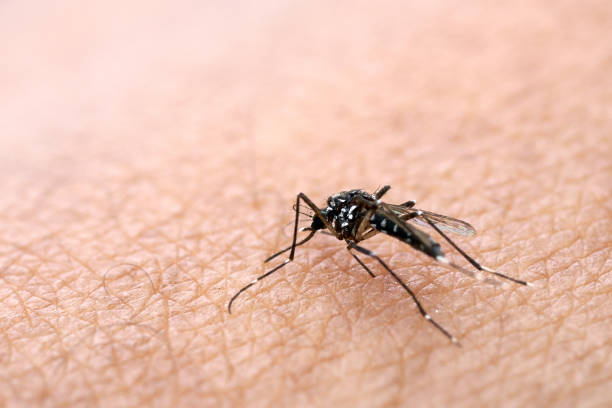
When a mosquito bites, it injects saliva into your skin, which contains proteins that help prevent blood clotting. This interaction results in an itchy bump that clears up after a few days. However, some individuals’ immune systems see these proteins as harmful invaders, leading to an allergic reaction.
An allergic reaction occurs when your immune system overreacts to a foreign substance. In the case of mosquito bites, this reaction can vary in intensity, depending on how sensitive the individual is to mosquito saliva. While many people experience minor irritation, some may suffer from more severe allergic reactions that require medical attention.
Understanding Mosquito Saliva
Mosquito saliva contains more than anticoagulants; it also contains proteins that can trigger an immune response. The proteins help the mosquito feed by dilating blood vessels and numbing the skin, preventing the person from feeling the bite initially. However, the proteins in mosquito saliva can provoke an immune reaction, causing the body to release histamines. Histamines are responsible for classic itching, swelling, and redness symptoms.

Symptoms Of Mosquito Bite Allergies
The symptoms of an allergic reaction to a mosquito bite can vary widely from person to person. While most people only experience mild irritation, others may suffer from more intense reactions, such as Skeeter Syndrome or, in rare cases, anaphylaxis.

Mild Reactions
For most people, a mosquito bite leads to minor itching, redness, and swelling at the bite site. These symptoms typically last a few days and can be managed with over-the-counter treatments like antihistamines or hydrocortisone creams. While annoying, these mild reactions are usually harmless and clear up without medical intervention.
Moderate Allergic Reactions (Skeeter Syndrome)
Skeeter Syndrome is a more severe, localized allergic reaction to mosquito bites. The area around the bite becomes significantly swollen, red, and warm. Blisters may sometimes form, and the affected area can become painful. Skeeter Syndrome can be confused with a skin infection but is an allergic response. People with Skeeter Syndrome may notice that the swelling and discomfort last much longer than a typical mosquito bite reaction.
Severe Allergic Reactions (Anaphylaxis)
A person can experience an anaphylactic reaction to a mosquito bite in sporadic cases. Anaphylaxis is a life-threatening allergic reaction that requires immediate medical attention. Symptoms include difficulty breathing, throat swelling, dizziness, and a rapid drop in blood pressure. If not treated promptly, anaphylaxis can lead to unconsciousness or even death.
Fortunately, anaphylactic reactions to mosquito bites are uncommon, but those with a history of severe allergic reactions to other insect bites should be vigilant.

How To Treat Allergic Reactions To Mosquito Bites
Treating allergic reactions to mosquito bites depends on the severity of the symptoms. Mild reactions can often be managed at home, while more severe cases may require professional medical care.
- Mild reactions: Apply over-the-counter antihistamines, hydrocortisone creams, or calamine lotion to relieve itching and reduce swelling. Cold compresses can also help soothe the area.
- Skeeter Syndrome: If swelling is significant, oral antihistamines and stronger corticosteroid creams prescribed by a doctor may be necessary. In some cases, an oral corticosteroid may be required.
- Severe allergic reactions: An adrenaline auto-injector (EpiPen) is the first line of treatment for anaphylaxis. If someone experiences difficulty breathing or other signs of anaphylaxis, they should be taken to a hospital immediately.
Refrain from scratching mosquito bites to reduce itching and avoid further irritation. Scratching can break the skin, potentially leading to secondary infections.
Preventing Mosquito Bites In Australia
Australia’s warm climate and diverse ecosystems make it a hotspot for mosquitoes, especially in the summer and tropical or coastal areas. Preventing mosquito bites is essential to avoid allergic reactions and reduce the risk of contracting mosquito-borne diseases.

Protective Measures To Reduce Mosquito Bites
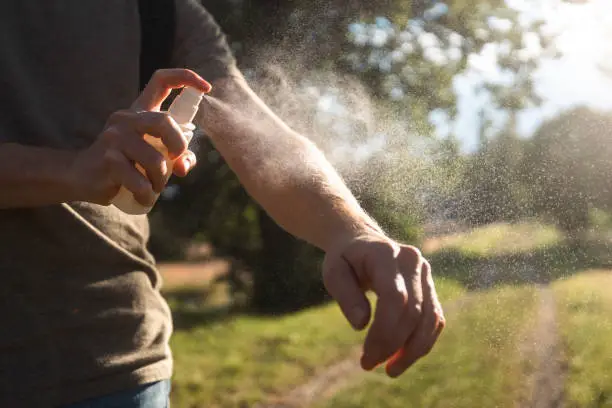
- Use insect repellent: Apply a repellent that contains DEET, picaridin, or lemon eucalyptus oil to exposed skin. These are considered safe and effective for most people, including children over three months.
- Wear protective clothing: Long sleeves, pants, and socks can help reduce the number of bites. Light-coloured clothing is also recommended, as mosquitoes are attracted to dark colours.
- Use mosquito nets: Especially in areas where mosquito-borne diseases are prevalent, sleeping under a mosquito net can protect during the night.
- Remove standing water: Mosquitoes breed in stagnant water, so eliminate any sources around your home, such as birdbaths, puddles, and blocked gutters.
- Install screens: Ensure windows and doors are fitted to keep mosquitoes out of your home.
Mosquito-Borne Diseases To Watch Out For
Mosquitoes in Australia are not just annoying; they also carry diseases that can pose serious health risks. While allergic reactions to mosquito bites are concerning, it’s equally important to be aware of the prevalent mosquito-borne diseases in Australia.

Ross River Virus
The Ross River virus is the most common mosquito-borne disease in Australia. Infected mosquitoes spread it and cause symptoms such as:
- Joint pain
- Fatigue
- Rashes
- Fever
- Swollen Lymph Nodes
While most people recover fully, symptoms can linger for weeks or months. There is no specific treatment for the Ross River virus; managing symptoms with pain relievers and rest is typically the course of action.
Dengue
Dengue is not as common in Australia as in other parts of the world. Still, cases have been reported in northern Queensland, particularly in areas where international travellers return from countries where dengue is widespread. Dengue can cause flu-like symptoms, including fever, headaches, and muscle pain, and in severe cases, can lead to dengue hemorrhagic fever, which is life-threatening.
Barmah Forest Virus
Like the Ross River virus, the Barmah Forest virus is transmitted through mosquito bites and can cause joint pain, fever, and fatigue. Although the symptoms are generally milder than those of the Ross River virus, they can still be uncomfortable and persist for an extended period.
Symptoms Of Mosquito-Borne Illnesses
The symptoms of mosquito-borne illnesses can vary, but common signs to watch for include:
- Fever
- Joint pain or swelling
- Headaches
- Fatigue
- Skin rash
Suppose you develop any of these symptoms after being bitten by a mosquito, especially if you’ve been in an area known for mosquito-borne diseases. In that case, it’s essential to seek medical attention. Early diagnosis and treatment can prevent complications and ensure a quicker recovery.
Conclusion
While mosquito bites are often just a minor inconvenience, they can trigger allergic reactions in some individuals, ranging from mild itching to severe swelling or even life-threatening anaphylaxis. In addition to allergic reactions, mosquitoes can transmit dangerous diseases, making it crucial to take preventive measures to avoid bites. You can reduce your risk of allergic reactions and mosquito-borne illnesses by using repellents, wearing protective clothing, and eliminating mosquito breeding grounds. If anaphylaxis should still take place though, it is best to stay prepared. Taking a first aid course or undergoing CPR training can equip you with the right skills to respond in the right manner.