
Key Takeaways
-
A car emergency kit is essential for road safety, offering protection during breakdowns, accidents, or extreme weather.
-
In Australia, while not always legally required, being prepared with emergency supplies demonstrates duty of care on the road.
-
A first aid kit is the most important car safety item, helping treat minor injuries and stabilise serious ones until medical help arrives.
-
Basic tools and supplies such as jumper cables, spare tyre, jack, lug wrench, and a multitool help address common car problems.
-
Seasonal items like blankets, gloves, or ice scrapers in winter, and extra water and sunscreen in summer, improve preparedness.
-
Additional life-saving gear like a CellAED (portable defibrillator), EpiPen, or snake bite kit can be crucial in Australian conditions.
-
Storing your car first aid kit in an accessible location (glove box, centre console, or under seat) ensures quick response in emergencies.
-
Regularly check, replace, and maintain your emergency kit to ensure items remain effective and up to date.
-
Tailor your kit for family needs—add baby supplies, personal medications, or extra water for rural travel.
-
Completing a first aid or CPR course empowers you to use your kit effectively and potentially save lives in roadside emergencies.
Cars serve their purpose of bringing us to our desired destinations. The convenience and comfort they offer make them feel like an extension of our homes. However, an emergency can happen anywhere. Readiness is crucial in times of crisis and anticipating the circumstances that may occur. Let’s dig into car emergency essentials you should have inside your car.

The Importance of a Car Emergency Kit
When we think about preparing for emergencies, our minds often go to stocking up on supplies at home or creating a plan for natural disasters. However, one of the most overlooked areas of emergency preparedness is right outside our front doors—our vehicles. Whether taking a short drive across town or embarking on a long road trip, having a well-stocked car emergency kit can make a significant difference in handling unexpected situations on the road.
Safety and Preparedness
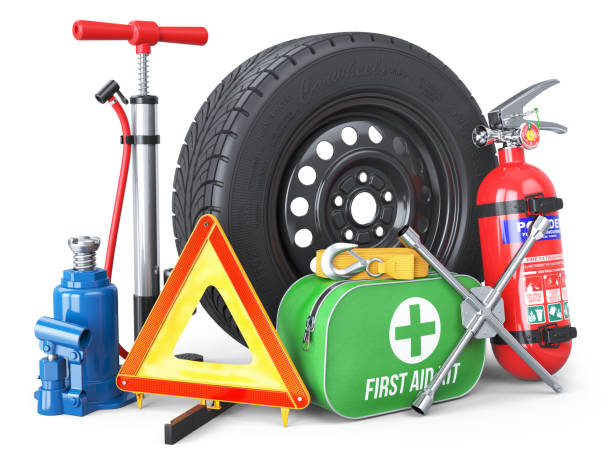
Safety is a top priority for any driver. No one expects to get into an accident, experience a breakdown, or encounter extreme weather conditions, but these situations can happen anytime. Preparing the right tools and supplies in your car emergency kit can ensure you and your passengers are safe until help arrives. A car emergency kit is more than just a collection of items; it’s a proactive step towards ensuring you’re ready for the unexpected. Here are the vital items you should have:
- Emergency kit with essential items like water and food
- Flashlight
- Fire Extinguisher
- Early Warning Device
- First aid kit
- Spare Tools (For tyres and Car batteries)
Legal Requirements in Australia
In Australia, road safety regulations emphasize the importance of being prepared for emergencies. While having a car emergency kit isn’t legally mandated in every state, it is highly recommended. In some situations, like driving in remote areas or during certain seasons, having specific items in your car might be required by law.
Australian laws also stipulate that vehicles must be roadworthy, meaning that they should be equipped with the essential tools necessary to address minor road issues. Although a car emergency kit may not be explicitly required, failing to prepare for potential emergencies could be seen as neglecting your duty of care as a driver.
Essential Items for a Car Emergency Kit
What should you include in your car emergency kit? The contents can vary depending on where you live, the type of vehicle, and your personal needs. However, there are some essential items that every car emergency kit should have.
First Aid Kits
A first aid kit is a non-negotiable item in any car emergency kit. It’s crucial for treating minor injuries like cuts, scrapes, and burns, and it can also provide temporary relief in more severe situations until professional medical help arrives. Your first aid kit should at least include:
- Triangular Bandages
- Adhesive Dressing Pads
- Burn Dressings
- Trauma Dressings
- Foil Blankets
- Gloves
- Plasters
- Cleansing Wipes
- Tweezers
- Pain relievers
- Any necessary personal medications.
Basic Tools and Supplies
In addition to a first aid kit, your emergency kit should include essential tools and supplies to help you address common car problems. This includes:
- Jumper cables
- Portable Jump Starter
- Spare Tire, Jack, and Lug Wrench
- Multitool or Swiss Army Knife
- Tire pressure gauge
- Duct Tape
These items can help deal with minor car troubles and make you more visible to other drivers if you’re stranded on the side of the road.
Seasonal and Environmental Considerations
Depending on where you live and the time of year, you may need to adjust the contents of your car emergency kit. In colder climates, for example, you should include items like:
- Blankets
- Gloves
- Ice Scraper
- Snow Brush
- Tow Rope Or Chain
- Poncho Or Warm Clothing
In warmer seasons, extra water, sunscreen, and hats are essential. If you frequently drive in areas prone to natural disasters, such as bushfires or floods, make sure your kit includes specific items that can help you in those situations, like a face mask or a waterproof container for important documents.
The Importance of a Car First Aid Kit
While a comprehensive car emergency kit is essential, a car first aid kit deserves special attention. Having a first aid kit in your vehicle cannot be overstated. Accidents can happen in the blink of an eye, and having immediate access to first aid supplies can make a critical difference in the outcome.
A well-stocked first aid kit also allows you to assist others in need. If you come to an accident scene before emergency responders arrive, having a first aid kit enables you to help and potentially save lives.
How Do I Tailor My Kit to My Specific Needs?
Your car emergency kit should be tailored to your specific needs and those of your passengers. Consider factors such as the age and health of those who frequently travel with you. Young children, for example, include items like diapers, baby wipes, and snacks suitable for toddlers. If anyone in your family has allergies, your kit should include an EpiPen or other necessary medications. Additionally, consider the types of trips you take most often. If you frequently travel in rural or remote areas, you may need to add more extensive supplies, such as additional water and a satellite phone.
The Best Way to Care for My First Aid Kit
Proper care ensures your first aid kit is always ready for use. Store it in a cool, dry place within your vehicle to prevent items from deteriorating due to heat or moisture. Check the contents of your kit regularly to ensure that everything is in good condition, and replace any expired or used items immediately. It’s also a good idea to familiarize yourself with the contents of your kit so you know exactly where to find what you need in an emergency.
Best Place for a Car First Aid Kit?
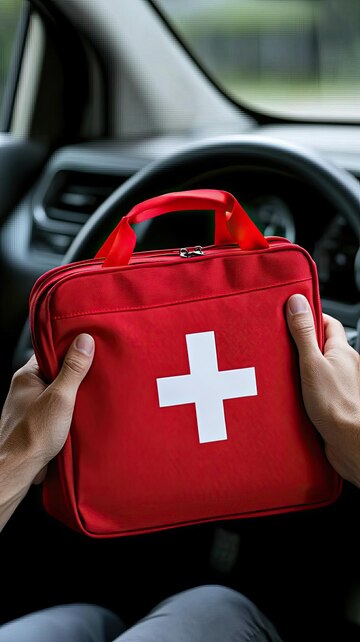
The best place to store your car first aid kit is in an easily accessible location within your vehicle. This could be in the glove compartment, the centre console, or under a seat. The key is to place it somewhere that can be reached quickly in an emergency. Avoid storing it in the trunk unless you have no other option, as this can delay your ability to respond to an injury.
Additional Emergency Supplies to Consider
Beyond the basics, there are several additional emergency supplies you may want to consider including in your car emergency kit.
CellAED
A CellAED is a portable automated external defibrillator (AED) for personal use. It can be a lifesaver in a sudden cardiac arrest, providing a shock to the heart to restore a normal rhythm. While this is an advanced piece of equipment, it’s becoming a more accessible and valuable addition to your emergency kit, especially if you or your passengers have a history of heart problems.
EpiPen
An EpiPen is an auto-injector used to treat severe allergic reactions (anaphylaxis). If anyone in your family has a known allergy, having an EpiPen in your car emergency kit is crucial. An EpiPen can buy you time in a severe allergic reaction until you can reach medical help.
Snake Bite Kit
The risk of snake bites in Australia is real, especially if you travel in rural or remote areas. A snake bite kit can help you manage the situation until you can get to a hospital. The kit should include a compression bandage, antiseptic wipes, and instructions on applying first aid for a snake bite.
What Are the Advantages of Taking a First Aid Course?
While having a well-stocked emergency kit is essential, knowing how to use it is equally important. First aid courses can equip you with the knowledge and skills to handle emergencies effectively. In a first aid course, you’ll learn how to perform CPR, treat wounds, handle burns, and respond to allergic reactions. First aid or CPR training can give you the confidence to act quickly and effectively in an emergency, potentially saving lives.
Conclusion
A car emergency kit is more than just a collection of items; it’s a vital part of your overall safety strategy when on the road. By equipping your vehicle with the necessary tools, supplies, and first aid items, you’re taking a proactive step toward protecting yourself, your passengers, and others on the road. Being prepared can make all the difference whether you’re dealing with a minor injury, a breakdown, or a more serious emergency.