

Key Takeaways – Dangerous Ants in Australia
-
Australia is home to several dangerous ant species such as bull ants, jack jumper ants, fire ants, green-headed ants, and meat ants, each posing unique risks beyond a standard black ant bite.
-
Bull ants (up to 40mm long) deliver extremely painful stings that can trigger severe allergic reactions and require urgent medical attention in some cases.
-
Jack jumper ants are among the most dangerous, with venom capable of causing anaphylaxis; fatalities have been recorded in Australia.
-
Fire ants, an invasive species in Queensland, are aggressive swarm attackers; their venom causes burning pain, pustules, and potentially life-threatening reactions.
-
Green-headed ants are small but dangerous, with painful stings and potential allergic reactions, often mistaken for harmless black ants in urban areas.
-
Meat ants do not sting but use strong mandibles to bite, causing painful wounds and skin irritation if nests are disturbed.
-
Symptoms of ant stings and bites include redness, swelling, blistering, and in severe cases, anaphylaxis with breathing difficulty and rapid heartbeat.
-
First aid for ant bites: wash with soap and water, apply a cold compress, use antihistamines for mild reactions, and seek emergency help for anaphylaxis.
-
Prevention tips: wear protective clothing outdoors, avoid disturbing nests, apply insect repellent, and maintain a clean home environment to deter ants.
-
Awareness and preparedness are key — recognising dangerous ant species and knowing first aid steps can prevent serious outcomes in Australia’s outdoors.
Australia is home to an incredible diversity of wildlife. This includes varied mammals, spiders, and even a vast range of ants. While most ants are harmless, they are by no means useless as they serve important roles in the ecosystem. Several species can be dangerous though due to their painful stings, aggressive behaviour, or venomous bites.
Being bit by a black ant or experiencing the sting of more aggressive species can cause significant pain, allergic reactions, and even life-threatening situations in extreme cases. This article explores the most dangerous ants in Australia, how to identify them, the dangers they pose, and what a person should do if they are bitten or stung.
Why Ants Can Be Dangerous
While most ants you encounter are more nuisance than threat, there are certain ant species in Australia that can cause serious harm. These ants are dangerous for several reasons.
- Stinging Mechanism: Unlike a simple black ant bite, some ants sting, injecting venom that causes pain, swelling, and allergic reactions.
- Allergic Reactions: Anaphylaxis, also known as a severe allergic reaction, can occur from ant stings, particularly from species like the jack jumper ant. These allergic ant bite reactions are dangerous and should be treated immediately.
- Secondary Infection: Even if bit by black ant or other ant species, scratching the bite can lead to infections. This is especially true if the wound isn’t cleaned properly.
Understanding these risks can help you stay safe when encountering ants in Australia’s outdoors.

Most Dangerous Ant Types in Australia
Bull Ants (Myrmecia)
Bull ants are some of the largest ants in Australia, reaching up to 40mm in length. They have powerful mandibles and a potent sting, making them aggressive defenders of their territory.
Bull ants are widespread, found in forests, gardens, bushlands, and even suburban areas. They are most active during the day and can be seen hunting for food.
A sting from a Bull Ant is extremely painful due to its venom, which can cause severe allergic reactions in some people. Even if you’re bit by black ant varieties within the bull ant family, the pain and swelling can be intense.
If bitten, here are some first aid tips to follow:
- Wash the sting site with soap and water.
- Apply a cold pack to reduce swelling.
- If you experience difficulty breathing, swelling of the face, or dizziness, seek immediate medical help.

Jack Jumper Ants (Myrmecia pilosula)
These medium-sized ants (10-15mm) are known for their distinctive black bodies and orange-brown legs. They get their name from their ability to jump several centimetres when provoked.
Jack jumper ants are native to Tasmania, Victoria, and parts of southern Australia. They prefer bushlands and grassy areas.
Their venomous sting is potent and can cause anaphylaxis, making them one of Australia’s most dangerous ants. Fatalities have occurred due to their stings, which are more severe than a typical black ant bite.
If stung by one of these ants, seek medical help immediately. This is especially the case if allergic symptoms appear. If you or a person you know is allergic and going outdoors, always carry an EpiPen.
Fire Ant (Solenopsis invicta)
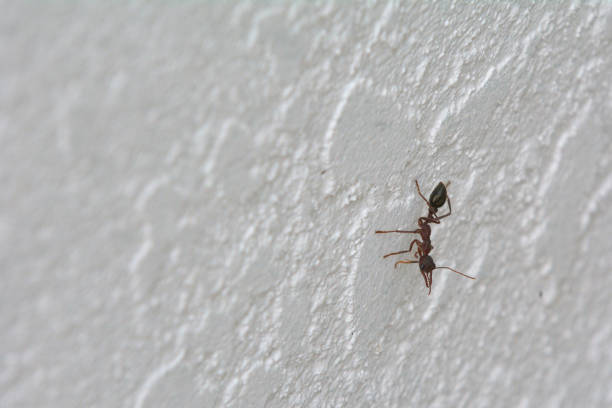
Fire ants are small (2-6mm) and reddish-brown, often mistaken for other common ants. However, they are highly aggressive and attack in swarms, delivering multiple stings.
Fire ants are an invasive species in Queensland, with efforts ongoing to contain their spread. They build large nests in open, sunny areas such as lawns, parks, and pastures. Their stings cause intense burning pain, followed by red welts and pustules. Repeated stings can lead to severe allergic reactions. Unlike black ants and red ants commonly found in Australia, fire ants’ aggression and venom make them particularly dangerous.
For first aid steps when stung, the priority should be to wash the sting area with soap and water. Afterwards, apply a cold compress to reduce any pain and swelling in the area. Finally, remember to avoid any and all scratching so as to prevent infections from setting in.

Green-Headed Ants (Rhytidoponera metallica)
The green-headed ants are small (5-7mm) with a metallic green sheen. They are common in urban areas and can be mistaken for harmless black ants. Green-headed ants thrive in gardens, lawns, and footpaths. They are widely distributed across Australia.
Their sting is painful, and in some cases, can cause allergic reactions. If bit by black ant species like these, swelling and discomfort can last for several hours.
Here are some first aid tips if stung:
- Clean the sting site.
- Apply a cold pack.
- Monitor for allergic reactions and seek medical attention if symptoms worsen.

Meat Ants (Iridomyrmex purpureus)
Meat ants are large (6-12mm) with a reddish head and a metallic blue-green body. They are highly territorial but generally non-aggressive unless their nest is disturbed. They are common in rural and suburban areas across Australia, building large, flat nests.
Unlike other ants that sting, meat ants use their strong mandibles to bite. A black ant bite from a meat ant can break the skin and cause pain and irritation. If stung, disinfect the bite area and use a cold compress for pain relief.

Recognising Ant Bites and Stings
Symptoms to Look For
- Mild Reactions:
- Pain, redness, and swelling at the sting site.
- Small blister or welt.
- Severe Reactions (Anaphylaxis):
- Swelling of the face, lips, or throat.
- Difficulty breathing.
- Dizziness or confusion.
- Rapid heartbeat.
If you experience any severe symptoms after being bit by a black ant or stung by other species, seek immediate medical help.
First Aid for Ant Bites and Stings
Immediate Actions
- Clean the Area: Wash with soap and water to prevent infection.
- Apply a Cold Compress: Reduces pain and swelling.
- Use Antihistamines: For mild allergic reactions.
- Seek Emergency Help: If severe symptoms or anaphylaxis occur.
Managing Infections
If a bite or sting becomes red, swollen, or pus-filled, it may be infected. See a healthcare professional if symptoms persist.
Preventing Ant Stings and Bites
Practical Tips
- Wear closed shoes and long pants when outdoors.
- Avoid disturbing ant nests.
- Use insect repellent in high-risk areas.
Home and Garden Maintenance
- Regularly check for nests.
- Seal cracks and crevices where ants can enter.
- Maintain a clean, food-free environment to deter ants.
Fascinating Yet Formidable
Australia’s ants can be fascinating yet formidable. From the aggressive bull ant to the tiny but deadly fire ant, knowing how to identify and respond to these insects is essential. Whether dealing with black ants and red ants or more dangerous species, being prepared and knowing basic first aid can prevent serious outcomes. Stay vigilant, protect yourself, and ensure you’re ready to handle any ant encounter safely.